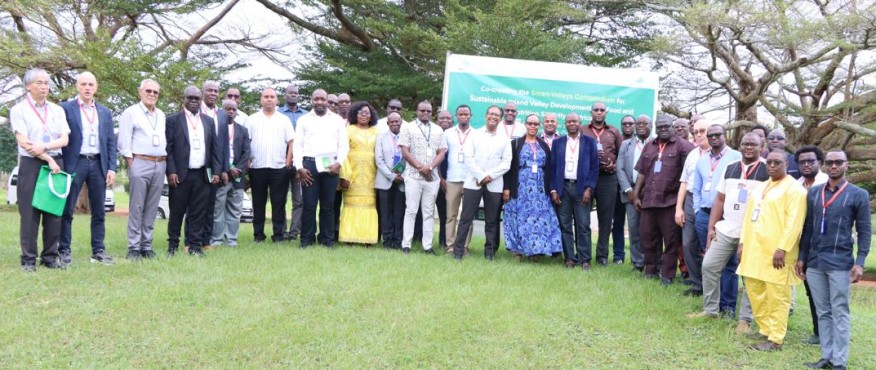
Cote d’Ivoire, Sep 2025
The Smart Valley Compendium Workshop in Cote d’Ivoire
-
Background of the mission
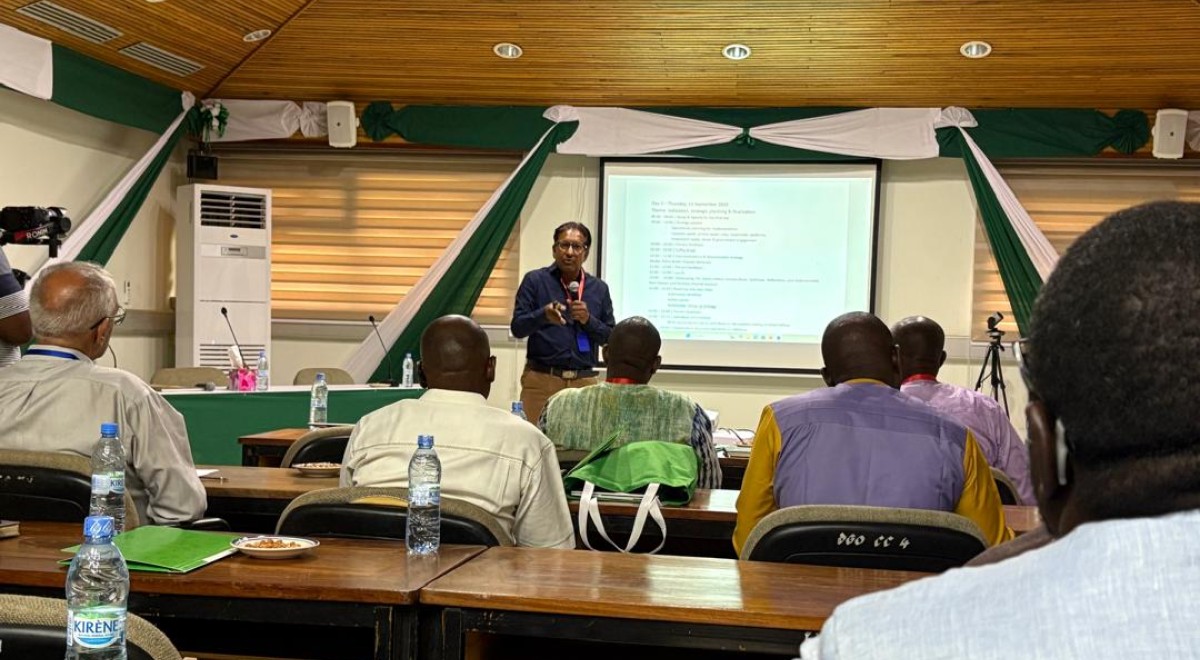
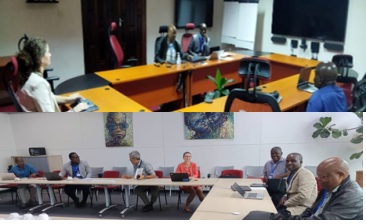
In order to contribute to the achievement of rice self-sufficiency in sub-Saharan Africa, AfricaRice has experimented a low-cost lowland development approach called the “Smart Valley Approach”. Indeed, AfricaRice projections show that to achieve rice self-sufficiency, the continent needs an additional production of 30 million tons of rice by 2035 (an additional production of 3 Mt per year). To achieve this, AfricaRice believes that the SMART Valley approach needs to be massively scaled up. It is in this sense that from September 8 to 12, 2025, a workshop on the Compendium of “SMART Valleys” was held in Mbé, Côte d’Ivoire. The objective of the workshop was to stimulate the co-creation of the Smart-Valleys Compendium for Sustainable Lowland Development and Food and Nutrition Security in Africa.
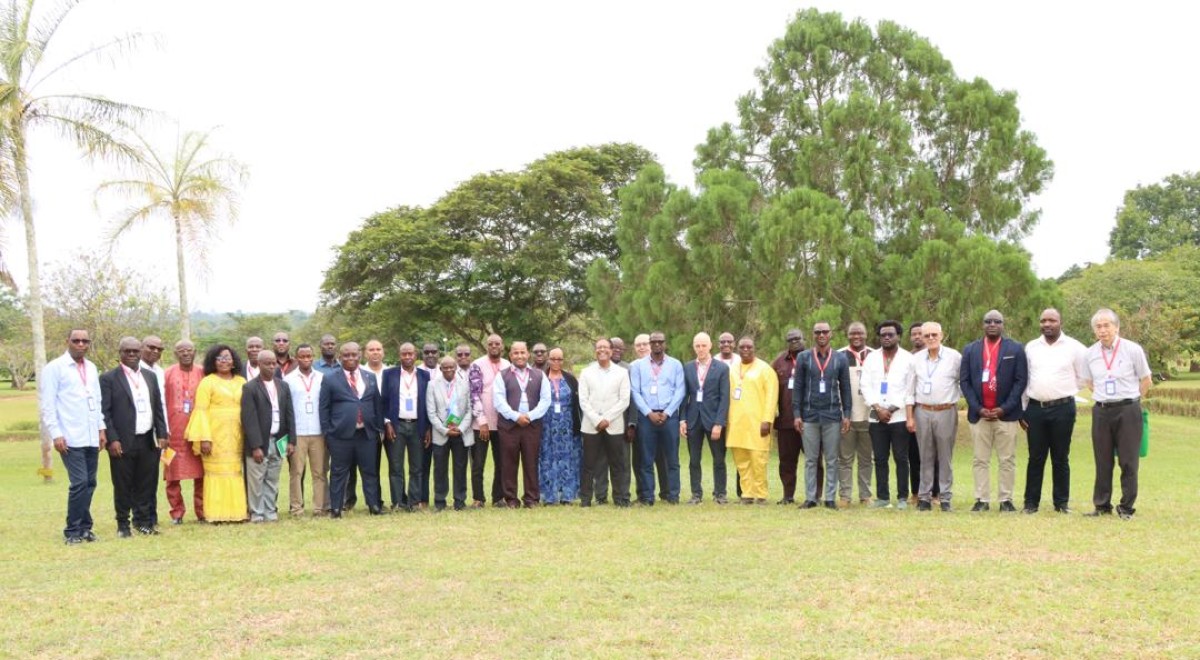
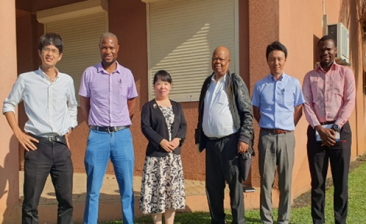
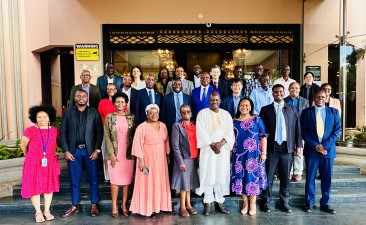
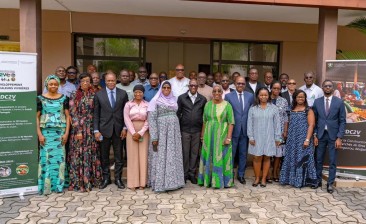
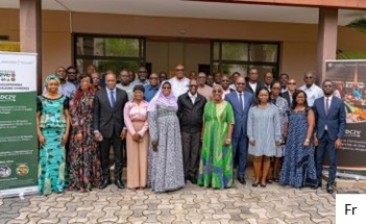
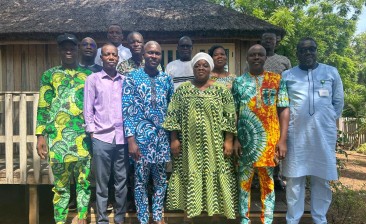
To carry out the work, nearly 37 participants were invited representing the Private Sector, research institute, the Government, civil society organizations, universities, the coalition of research centres (CGIAR), technical partners such as CARD, GIZ, etc.
-
Methodology
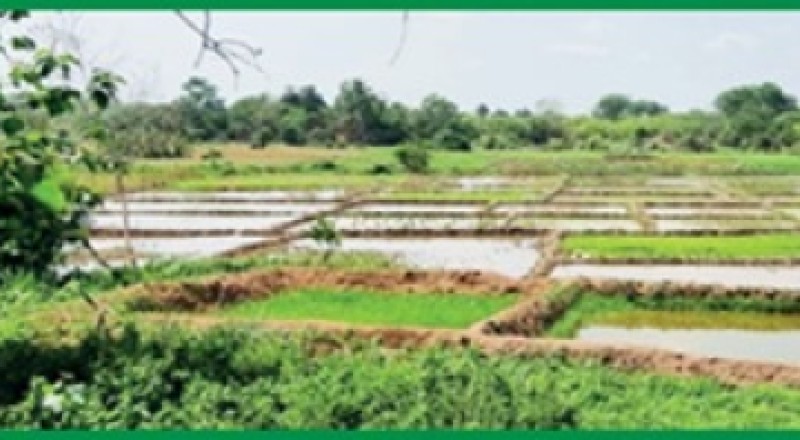
The approach used to achieve the objectives of the workshop was, on the one hand, to organize a field visit in order to better understand what the “Smart Valley approach” is and, on the other hand, to explain the concept and revise the outline of the compendium.
-
Key outputs/ Results
The participants first had to visit a lowland developed according to the “Smart Valley approach” and also had to exchange with the beneficiaries. The purpose of this visit was to make the approach more concrete and, above all, to be able to understand the advantages and disadvantages of the approach both in terms of irrigation schemes development and production. At the end of the visit and discussions with the beneficiaries, it emerged that the development process is faster and at a lower cost than traditional way and that production levels are multiplied by two compared to the business as usual. In addition, the populations have additional income linked to the diversification of production and especially to the possibility of having two to three production cycles.
After the field visit, a concept explanation session was organized, during which it was reported that the continent has a large lowland potential estimated at ±190 million hectares. According to the explanations, the lowlands are “bright spots” for agriculture because of their high-water retention capacity and fertile soils. These multifunctional landscapes are suitable for rice cultivation as well as the production of fish, vegetables, fruits and livestock. They also provide forestry, forage and wildlife resources.
AfricaRice’s Smart-Valley’s approach is a participatory and community-based approach that improves rice productivity, input accessibility, and market linkages due to higher marketable volumes. The Smart-Valley approach allows rice yields to be doubled from 2.0 to 4.0 t/ha at an irrigation shemes development cost of $700/ha. These systems, which rely on nature-based solutions, build biodiversity, resilience to production stressors such as drought and floods, social capital and economic prosperity, and increase the potential to achieve rice self-sufficiency in Africa.
A preliminary estimate suggests that $9 billion would be needed to scale up Smart-Valleys for the African continent to be self-sufficient in rice, i.e. to produce an additional 30 Mt of rice by 2035, compared to the $6 billion spent annually on rice imports. The 9 billion will make it possible to develop 40,000 to 50,000 lowlands using the Smart Valleys approach. The irrigation development schemes costs are 5 to 10 times cheaper than conventional costs. This low-cost participatory farming approach ensures sustainable adoption and even easier self-adoption and scaling by farming communities.
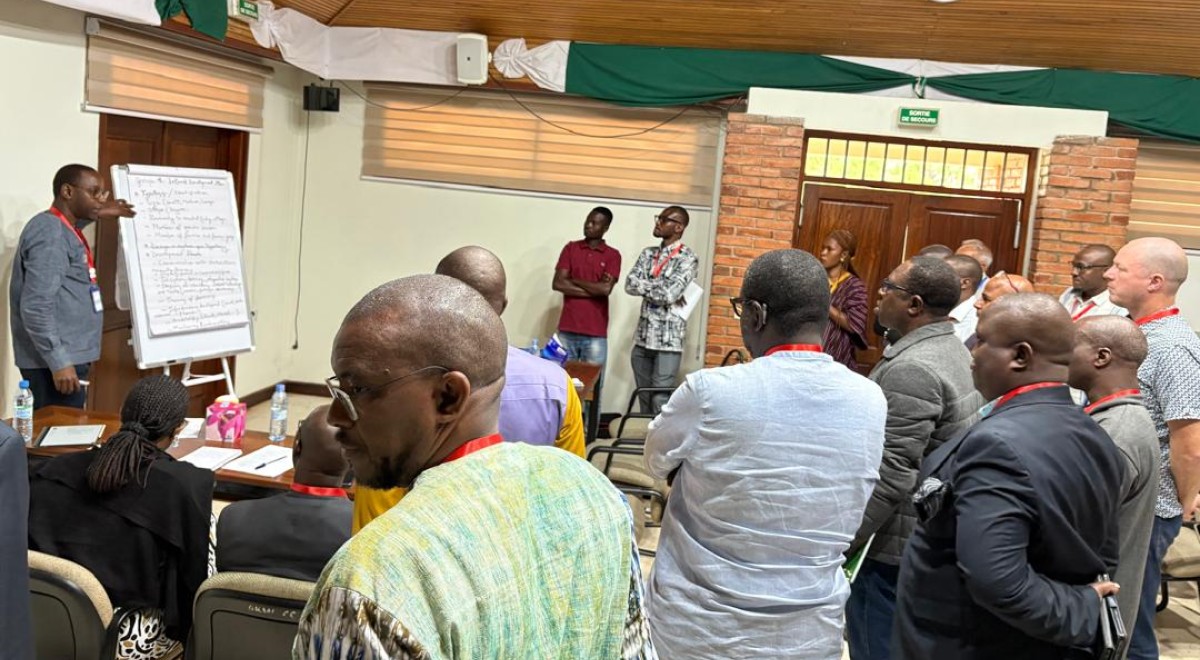
In order to make progress towards a massive scale-up of the approach, a working group was organized to discuss the outline of the compendium on the one hand and to contribute to its elaboration on the other. It was thus decided that the representative of the CARD Secretariat will take charge of the drafting of the chapter “environmental risk and ecosystem management” in collaboration with a team and participate in the drafting of the chapter “Economics and investments opportunities”. The participants have agreed to a timeline with a plan of actions for the coming year. The participants agreed on a timeline with an action plan to ensure that the compendium can be finalized before the end of the first quarter of 2026.
In parallel with this work, an online meeting was held with the Scientific Director of CGIAR, a representative of the Embassy of the Netherlands in Côte d’Ivoire and representatives of the Ministry of Agriculture who all committed to working towards the operationalization of the approach.
Thus, after three intensive and exhaustive days, the workshop ended with the ambition to finalize the compendium before the end of the first quarter of 2026 and to continue advocacy actions for the massive scaling up of the approach. In this dynamic, the representative of the CARD Secretariat proposed to revise the concept notes on the promotion of lowland rice cultivation by integrating this approach and to ensure that during the annual reviews on the rice sector, this approach can be shared and see how to promote it to enable the different countries to achieve the production objectives they have set in the NRDS.