Driving Inclusive Growth in Africa’s Rice Sector
A Focus on Women and Youth
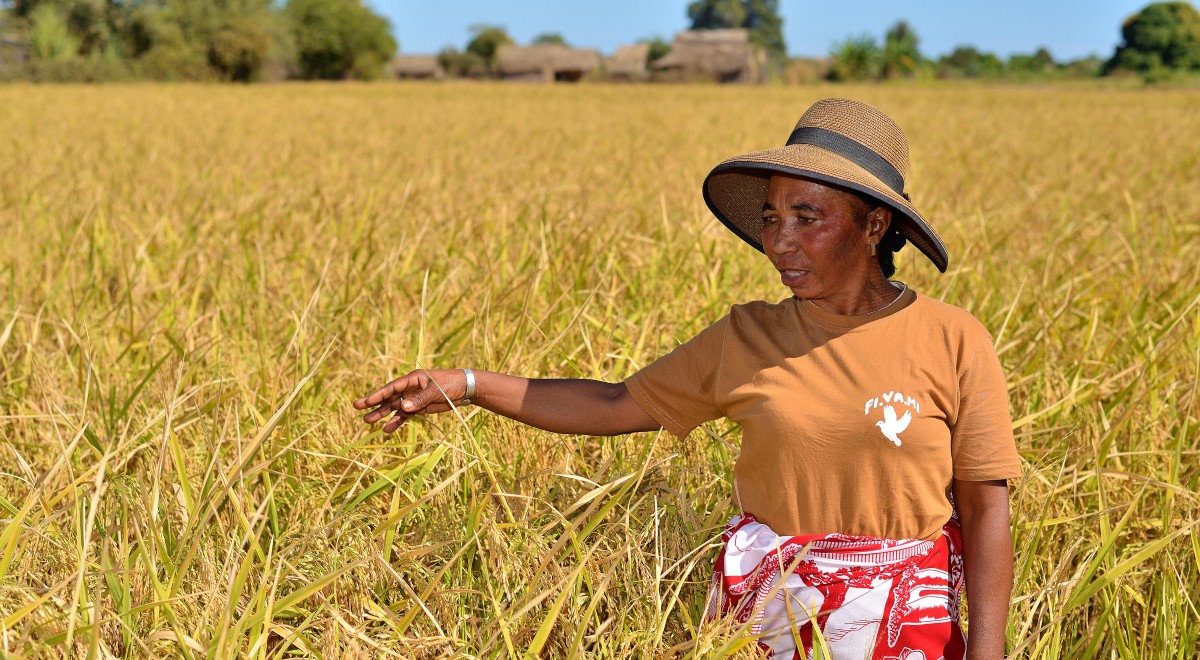
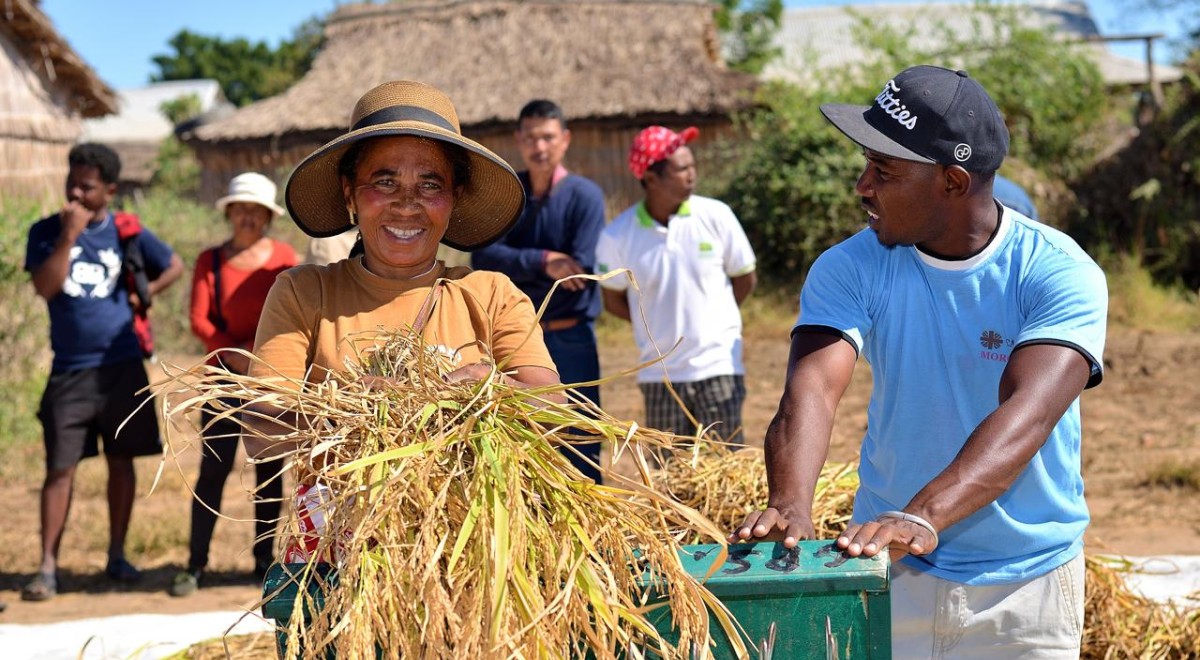
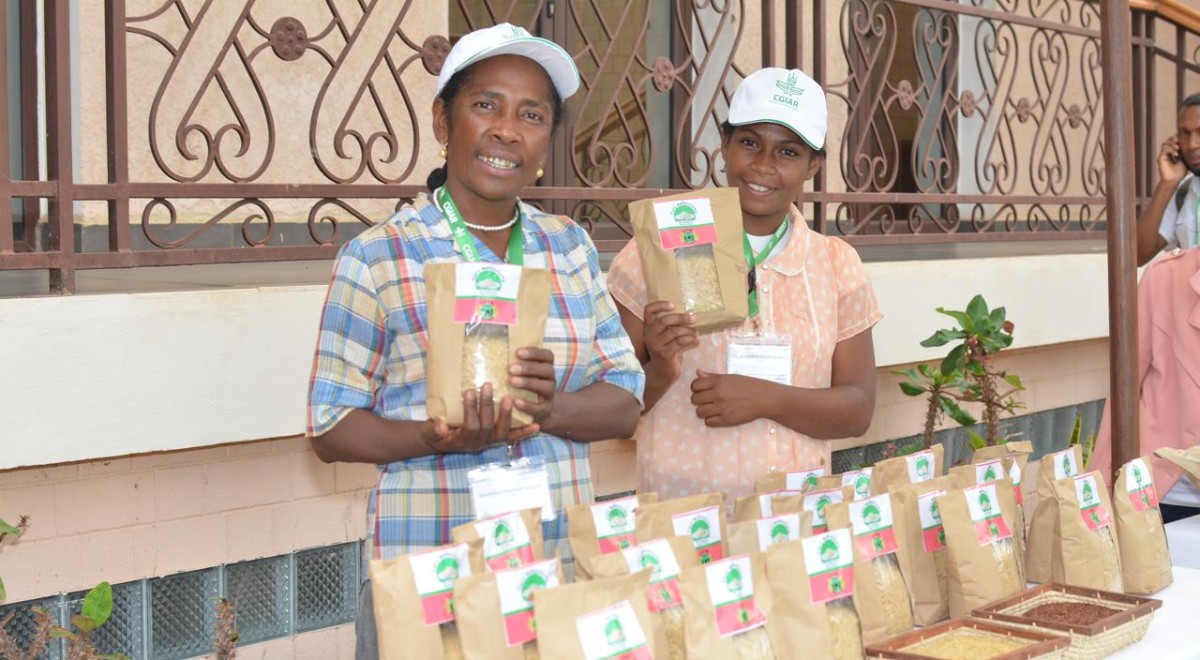
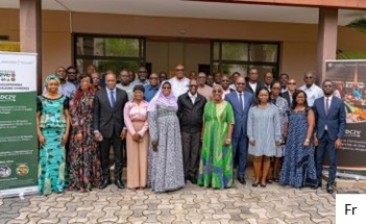
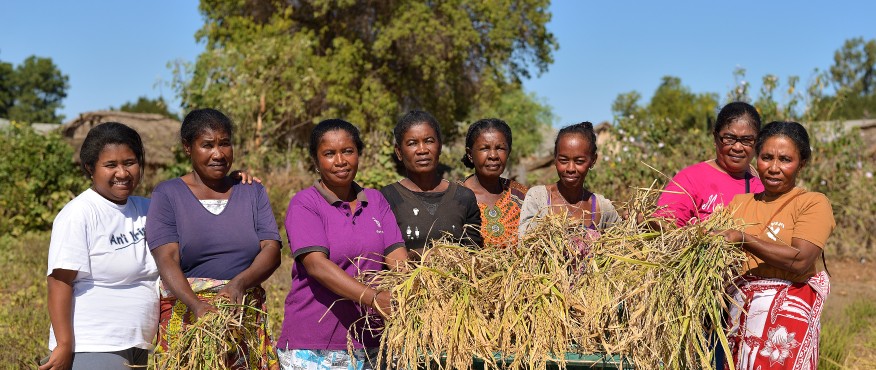
The transformation of Africa’s rice sector hinges not only on improving productivity but also on ensuring that women and youth, who form the backbone of rice production, processing, and marketing, are fully empowered to participate and benefit. A newly developed policy brief, prepared through a collaboration between AfricaRice, International Rice Research Institute (IRRI), AGRA, and Japan International Cooperation Agency (JICA) in support of the CARD, outlines a compelling case for integrating gender and youth inclusion into the rice sector.
Although women and youth contribute significantly across the rice value chain, they continue to face systemic barriers, including limited access to land, finance, technology, extension services, and decision-making spaces. These disparities restrict their potential and diminish the continent’s capacity to meet growing rice demand. The African Union, through the Comprehensive Africa Agriculture Development Programme (CAADP) , highlights women, youth, and vulnerable groups as priority actors in Africa’s agricultural transformation, emphasizing that inclusive growth is indispensable for achieving food security and resilient livelihoods. Evidence shows that closing gender gaps in agriculture can substantially increase productivity, reduce poverty, and strengthen food security, making inclusivity not only a moral imperative but an economic necessity.
The policy brief presents eight strategic recommendations aimed at supporting CARD member countries to embed gender- and youth-responsive actions into rice sector policies and programs. These include building the capacity of National Rice Development Strategy (NRDS) Task Forces, institutionalizing gender- and age-disaggregated data systems, strengthening women’s land rights, and designing climate-smart, gender-responsive innovation bundles. The brief also highlights the importance of expanding rural infrastructure, enhancing extension services, particularly through increased recruitment of female extension workers, and integrating gender-based violence (GBV) awareness into agricultural programs. Strengthening the leadership and participation of women and youth in cooperatives and governance structures is also emphasized as essential for equitable sector growth.
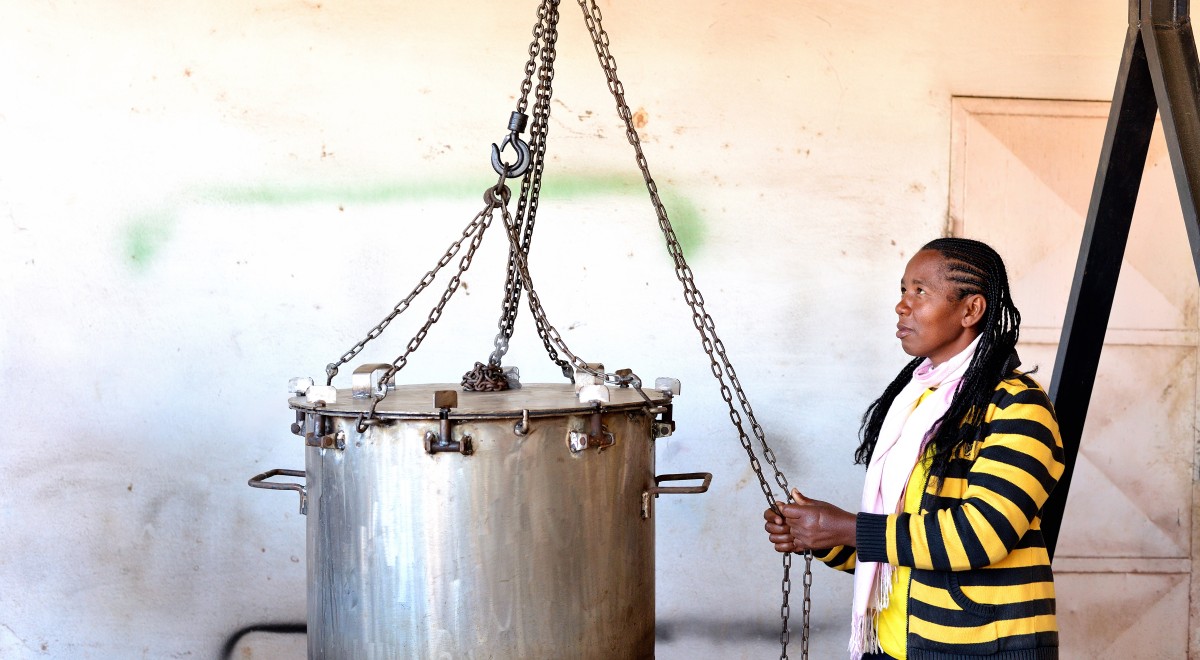
Illustrative case studies, ranging from Ethiopia’s land certification program to AfricaRice’s improved parboiling technologies and youth-driven climate-smart initiatives, demonstrate how inclusive interventions can boost productivity, improve livelihoods, and enhance resilience to climate change.
As CARD member countries embark on the renewal of their NRDS frameworks, this policy brief provides a clear and actionable pathway to ensure that the rice sector grows not only in yields but in equity. Mainstreaming the recommendations will support Africa’s ambition to double rice production by 2030 while ensuring that the benefits of growth reach those who contribute most to the sector’s success.
Inclusive Growth: Empowering Women and Youth in Rice Farming in Africa [PDF]