Mauritania, November 2026
Rice: Mauritania lays the foundations of its national strategy
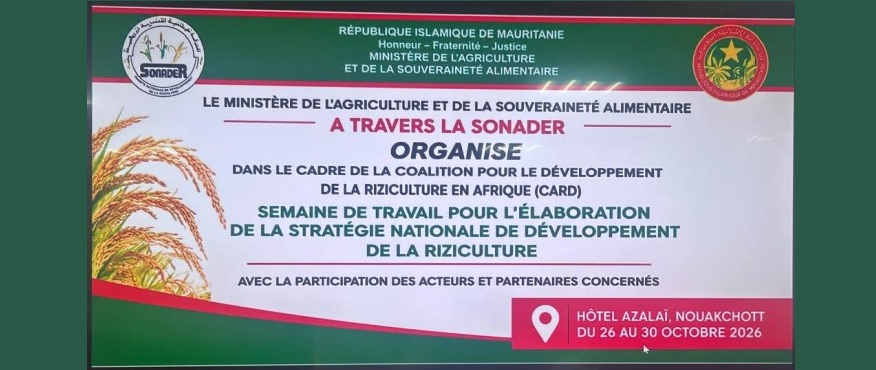
Meeting in Nouakchott from 26 to 30 October 2026, stakeholders in the rice industry made a frank assessment and set an ambitious goal: to double production to reach one million tons of paddy by 2030.
Nouakchott – How can Mauritania’s rice sector become a pillar of food sovereignty? This was the question addressed by participants during the first five day working week dedicated to developing the National Rice Development Strategy (NRDS) over five days. The objective was to establish a consensus-based assessment of the sector, its strengths, its obstacles, its prospects, in order to build a shared vision and a credible action plan.
This exercise stems directly from Mauritania’s accession, in March 2026, to the CARD. It must lead to measurable objectives, an operational plan and a robust monitoring mechanism, aligned with national priorities in terms of food security and competitiveness.
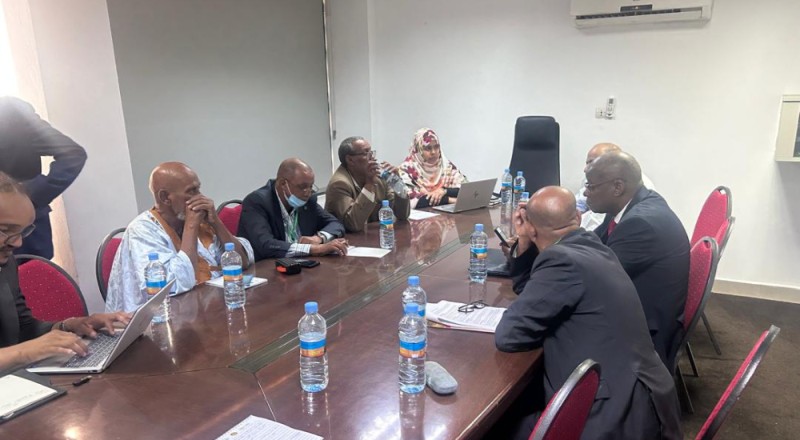
All the stakeholders around the table
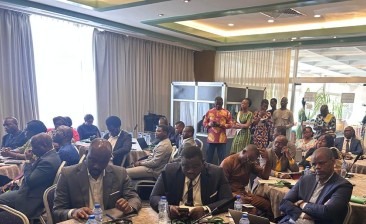
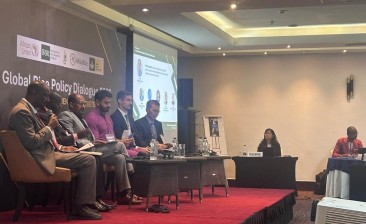
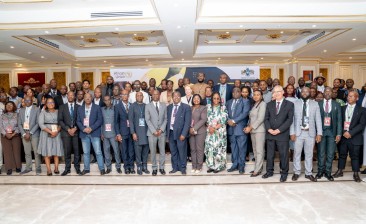
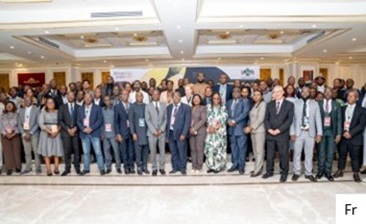
The workshop brought together stakeholders from the entire rice value chain, including representatives from the Ministry of Agriculture and Food Sovereignty (MASA), Société Nationale Pour le Développement du Rural (SONADER) at all levels, researchers, Crédit Agricole de Mauritanie (CAM), producer organizations, and private operators. This was a deliberate choice, ensuring that the future strategy would be driven by both public authorities and those who produce, process, and finance rice.
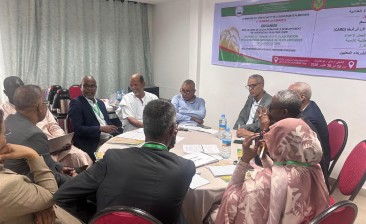
The workshop unfolded in two stages. First, a joint refresher course on the strategy development process and the guidelines for decision-makers. Then, group work: analysis of the baseline situation, SWOT matrix, and identification of challenges, followed by the formulation of strategic guidelines, objectives, and actions. Two groups focused on different segments of the sector: upstream (production, hydro-agricultural infrastructure, water management) and downstream (harvesting, processing, markets, financing, and governance).
Strong potential, but figures need to be verified
The first observation from the upstream group was that production potential is high, but the sector lacks reliable statistics due to the absence of harmonized definitions of basic concepts. On the ground, the weaknesses are well-known: uneven quality of infrastructure, poor adherence to cropping calendars, partially implemented technical guidelines, and high operating costs.
To reverse this trend, participants advocated first for better use of already developed land before opening new areas. This requires regular maintenance of the areas, standardized practices, an inventory of infrastructure, a clear division of responsibilities between users and managers, and sustainable funding for maintenance.
In terms of inputs and expertise, the proposed approaches range from seed planning to fertilization based on soil analysis, including research more focused on the real constraints faced by producers and agricultural extension services enhanced by digital tools. Good agricultural practices (GAP) and the System of Rice Intensification (SRI) could be tested and adapted locally.
Plenty of machines, but not enough mechanics.
Mechanization remains uneven across different areas. Where equipment exists, its maintenance is hampered by a lack of spare parts and qualified personnel. The group recommended taking inventory of existing equipment, pooling resources, fostering the development of local service providers, and training mechanics, with business models accessible to small farmers.
Salt, weeds and seed-eating birds
Added to this are agro-environmental constraints: soil salinization and alkalization in some areas, low organic matter content elsewhere, and damage from weeds and granivorous birds. Drainage, fertility restoration, selection of suitable varieties, integrated pest management, soil monitoring, calendar control, and reduced energy dependence are among the solutions being considered. One prerequisite remains: quantifying the extent of the affected areas and the resulting losses.
The five upstream challenges
- Modernize and sustainably manage hydro-agricultural infrastructure;
- Sustainably improve rice productivity and competitiveness;
- Strengthen the seed system, research and innovation;
- Professionalize support services (training, extension, mechanization);
- Strengthen the sector’s governance and climate resilience.
After the harvest, invisible losses
Downstream, the diagnosis is just as clear: losses occur at every stage, without any quantifiable estimates to measure their extent. The priority, therefore, is to quantify them, step by step and by geographical area. It will also be necessary to improve harvesting equipment, drying techniques, moisture control, logistics, and operator skills.
Rice mills operating at a reduced capacity
The processing units are underutilized. The reasons include frequent power outages, limited technical capacity, and inconsistent quality controls. Participants proposed a technical inventory of the units and their maintenance status, a regular supply of paddy rice, the adoption of quality standards, the implementation of traceability, and improved packaging.
Local rice versus imports
Production, processing, credit, transport: the accumulation of costs, combined with unequal market access, puts local rice at a disadvantage compared to imported rice and informal distribution channels, the volumes of which remain to be determined. To regain ground, participants emphasised contracts between producers and processors, better organized distribution, more accessible information on prices and markets, and differentiated products better suited to consumer expectations.
Funding, the missing link
Agricultural loans, financing for the purchase and storage of paddy rice, working capital, and investments: the needs appear largely unmet. Discussions focused in particular on the role of Crédit Agricole de Mauritanie and on the design of financing mechanisms better suited to the sector.
The five challenges of the downstream
- Reduce post-harvest losses and guarantee the quality of the paddy;
- Modernize drying, storage and processing;
- Strengthen the competitiveness and distribution of local rice;
- Develop appropriate credit mechanisms and contractual agreements between stakeholders;
- Structure governance and ensure the reliability of sector statistics.
Aiming for one million tons
From this work emerged a vision, formulated as follows: “By 2031, a sustainable, resilient and competitive Mauritanian rice sector, capable of regularly supplying the national market with quality, accessible and traceable rice, thanks to secure production, efficient processing and concerted governance.”
The vision is supported by five strategic objectives:
OS1 – Secure and increase paddy production through functional infrastructure, efficient water service and sustainable soil management;
OS2 – Improve productivity through certified seeds, reasoned use of inputs, applied research, agricultural advice and accessible mechanization;
OS3 – Reduce losses and improve the quality of paddy, from harvest to factory entry;
OS4 – To make the storage, processing and distribution of local rice more efficient;
OS5 – Facilitate access to finance, strengthen sector coordination and better understand supply, demand and stocks.
The quantified objective is unambiguous: to double production to reach one million tonnes of paddy rice by 2031, consolidate this level, and then aim for 1.5 million tonnes by 2035. To achieve this, the strategy relies on the combined action of public and private stakeholders, appropriate financing, and strengthened governance. The challenge goes beyond self-sufficiency: it is about sustainably establishing Mauritanian rice as a competitive player in regional and international markets.