Togo, November 2026
Togo and Benin at the Forefront of Accelerating the Kampala Declaration
(19-22 October 2026)
Under the Kampala Declaration and its 2026–2035 Action Plan, adopted in January 2025 by the heads of state and government of the African Union, Africa commits to a durable transformation of its agri-food systems. The stated objectives are to increase production and value addition, stimulate intra-African trade, and create employment, thereby building resilient value chains capable of withstanding climate- and economy-related shocks. To operationalize the vision, several targets were established, notably the mobilization of USD 100 billion for investments in agri-food systems, an approximate 45% increase in agricultural production, a tripling of intra-African trade, and a 50% reduction in post-harvest losses by 2035.
Despite the clarity of the framework, persistent challenges remain. More than 300 million people suffer from undernutrition, and Africa spends over USD 100 billion annually on food imports. Structural constraints persist, including declining soil fertility, limited access to quality inputs, fragile seed systems, biodiversity loss, governance and management weaknesses in fisheries, and underdeveloped agri-food and aquaculture value chains.
In response, His Excellency Moses Vilakati, Commissioner for Agriculture, Rural Development, Blue Economy, and Sustainable Environment at the African Union Commission, launched a 100-day action plan initiative. The objective is to translate political commitments into rapid, coordinated, results-oriented actions, thereby laying the foundations for a durable, long-term transformation. Within this framework, the Republics of Togo and Benin were identified as frontrunners in accelerating the implementation of the Kampala Declaration under the Comprehensive Africa Agriculture Development Programme (CAADP).
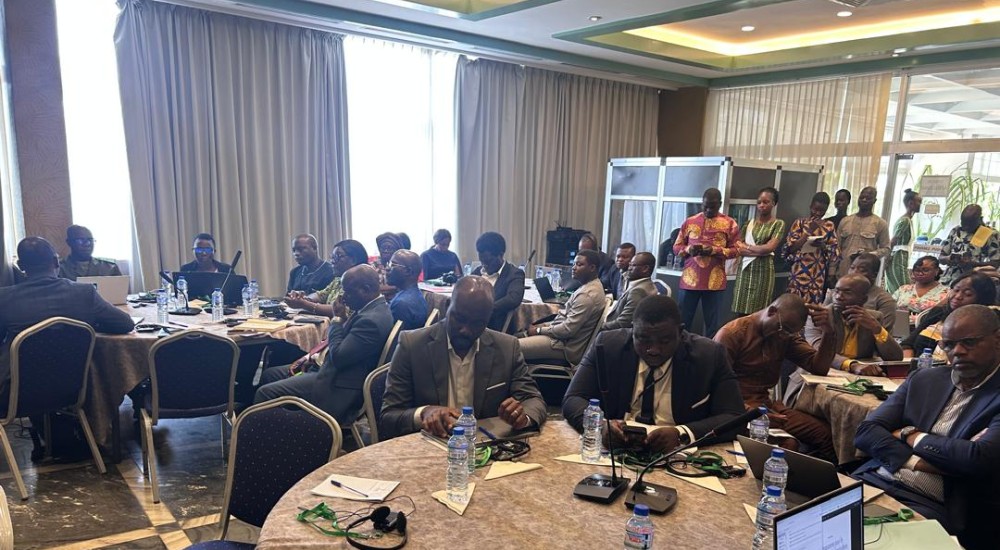
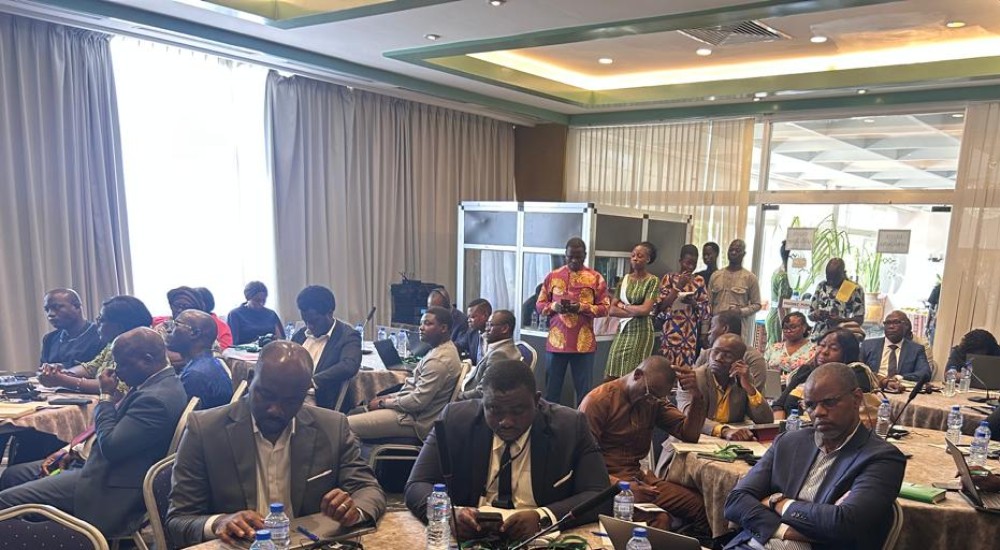
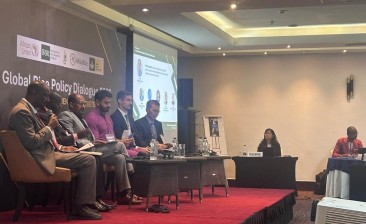
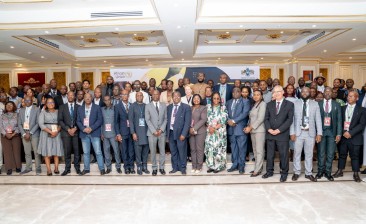
In this regard, from 19th to 22nd October 2026, a high-level workshop was held in Togo, bringing together representatives from the African Union, Benin and Togolese authorities, stakeholders in the rice value chain, and technical and financial partners. The overarching objective was to accelerate the Kampala Declaration’s implementation in these two states through ambitious national commitments, the mobilization of strategic investments, and the development of a common roadmap toward accelerated agricultural transformation. Mr. Ibrahima Sall, CARD Senior Regional Advisor, participated in person in the event.
Participants identified and prioritized feasible interventions across key domains: soil health, fertilizer development and access, quality seed systems, irrigation, production of strategic crops, livestock, and the development of the blue economy, while consolidating investment opportunities for the public sector, the private sector, development partners, and financial institutions.
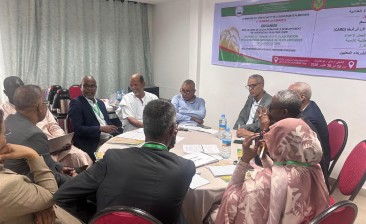
The workshop comprised four segments: an opening ceremony; presentations on policies and priority value chains in Benin and Togo; group working sessions to identify two to three priority value chains and actions capable of rapidly reducing vulnerabilities and strengthening food security; and a closing session.
Three speeches were delivered during the opening ceremony by a representative of Benin’s Ministry of Agriculture, Commissioner Vilakati, and a representative of the Togolese Ministry of Agriculture. They reiterated the importance of the agricultural sector for the continent and the commitment of heads of state and government to implement the Kampala Declaration. Given the substantial import dependence for certain essential commodities and global market volatility, speakers underscored Africa’s potential and the necessity of harnessing it in a structured manner. Commissioner Vilakati reaffirmed his determination to accelerate the implementation of the Kampala Declaration.
The plenary highlighted that wheat, rice, maize, and edible oils are the principal import categories in West Africa, with an estimated cost of nearly USD 5 billion. In this context, ECOWAS outlined a regional momentum toward developing a new regional agricultural policy aligned with Kampala, with adoption anticipated by December 2026, and the development of the Regional Agrifood Systems Investment Plan (RASIP) scheduled for June 2027, followed by a financing roundtable in September 2027.
Beyond regional frameworks, Benin and Togo presented coherent national initiatives aligned with Kampala: Benin Vert, a vision to transform agricultural value chains and drive innovation in water management and soil fertility, supported by a sectoral investment plan focused on rice, soybeans, and poultry; and ProMAT (Programme de Modernisation Agricole du Togo), aimed at sustainable agricultural transformation, increasing productivity and resilience, and integrating processing and marketing stages.
Discussions underscored the need to harmonize national strategies with Kampala’s framework while ensuring broad-based participation from public and private sectors and financial partners. The objective is to identify clear investment opportunities for governments, the private sector, and financial institutions to accelerate tangible outcomes, particularly in soil and inputs, seed systems, irrigation practices, and value-chain development aligned with the blue economy.
Overall, the workshop’s conclusions place rice at the core of priority actions and emphasize the necessity of accelerating the translation of political commitments into operational, measurable actions for 2026–2035. Togo and Benin are positioning themselves as regional laboratories for advancing the Kampala Declaration. While commitments remain ambitious, their realization hinges on robust national plans, appropriate financing mechanisms, and sustained engagement among public and private actors toward a common objective: more productive, equitable, and resilient agri-food systems capable of sustainably feeding a dynamic, prosperous Africa.