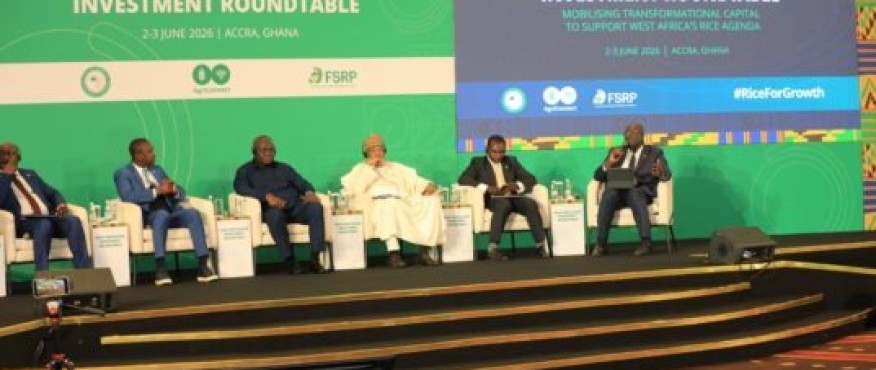
ECOWAS meeting, June 2026
The Organization of the Regional Roundtable on Rice Sector Financing in West Africa, Accra, Ghana
-
Background
From June 2nd to 4th, 2026, a regional roundtable on rice sector financing was held in Accra. Organized by the Economic Community of West African States (ECOWAS), the World Bank Group, and the African Development Bank, the event brought together ministers, 15 national delegations, investors, agro-industry leaders, and technical experts. The primary objective was to foster concrete financial and technical partnerships to support National Rice Investment Action Plans (NRIAP) aligns with National Rice Development Strategy (NRDS), amid a context where demand is outstripping local production. Participants emphasized the urgent need for massive, coordinated investments to enable West Africa to approach rice self-sufficiency by 2035.
-
Event Proceedings
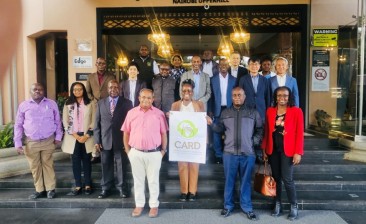
The event was structured around two main segments: discussions on the key challenges facing rice cultivation and a B2B meeting between ECOWAS member countries and technical and financial partners. During the B2B sessions, the CARD team, comprising a technical coordinator and two senior regional advisors—supported participating countries in engaging with donors.
Delegates delivered their pitches to organized groups of technical and financial partners. Following each presentation, Q&A sessions were held, culminating in commitments from the partners.
In addition to supporting countries in their presentations, the CARD team facilitated side meetings to discuss pathways to translate stakeholder commitments into tangible actions. The consensus was that each country would jointly organize their Annual Rice Sector Review Meeting (ARSRM) and National Rice Investment Round Table (NRIRT), with subsequent collaboration on resource mobilization. Tentative dates for these events were scheduled based on country availability.
-
Key Outcomes
The major outcomes of this gathering include:
- The Accra Declaration, a commitment endorsed by agriculture, economic, and finance ministers and delegation of 14 countries, setting a clear trajectory toward building a self-sufficient, competitive, and climate-resilient rice sector by 2035. This entails doubling annual paddy production, increasing yields from 2.1 to 4.1 tons per hectare, reducing post-harvest losses from 30% to below 10%, decreasing dependency on imports to less than 15%, and creating 15 million direct and indirect jobs across the value chain—ensuring that women and youth constitute at least half of the direct beneficiaries of investments.
- The development of a Regional Rice Investment Compact, synthesizing various NRIAPs, amounting to $25.6 billion for the period 2026-2035, integrated within a regional envelope of $28 billion.
- The formulation of a Resource Mobilization Strategy, structured around a tripartite financial architecture: (i) 40-50% of total funding needs from public sources, concessional loans from development finance institutions, climate mechanisms, and official development assistance (ODA), (ii) 20-25% from blended and catalytic financing instruments, such as guarantees and first-loss mechanisms, to mitigate risk and (iii) 30-35% from private capital to accelerate progress.
- A firm financial commitment of $1.54 billion, resulting from four thematic bilateral negotiation sessions between country delegations and investors. This figure reflects genuine partner interest in transforming West Africa’s rice sector.
- The recording of 111 commitments, including 24 publicly announced commitments, 32 in discussion, and 55 expressions of interest from multilateral development banks, financial institutions, donors, and private sector investors.
- National Rice Investment Round Tables (NRIRT) and Annual Rice Sector Review Meeting (ARSRM). There was a side meeting between the CARD team and the delegation including the CARD Focal Points (FP) of the various countries. The outcome of the meeting was that it will be necessary to collaborate to organize the NRIRT and the ARSRM, this consensus among the FPs will be further discussed with ERO.
AgriConnect Pact. In parallel, the Ghanaian government, supported by the World Bank Group, launched its AgriConnect Pact. This nationally-led initiative positions agriculture at the core of Ghana’s economic transformation, job creation, and resilience agenda. It aims to generate over 2.6 million jobs, improve food and nutrition security for nearly 3 million people, and attract a $3.5 billion investment program over five years, focusing on key value chains such as rice, maize, cocoa, palm oil, and poultry.
<Please find the video created by ECOWAS, which is posted below the photos>
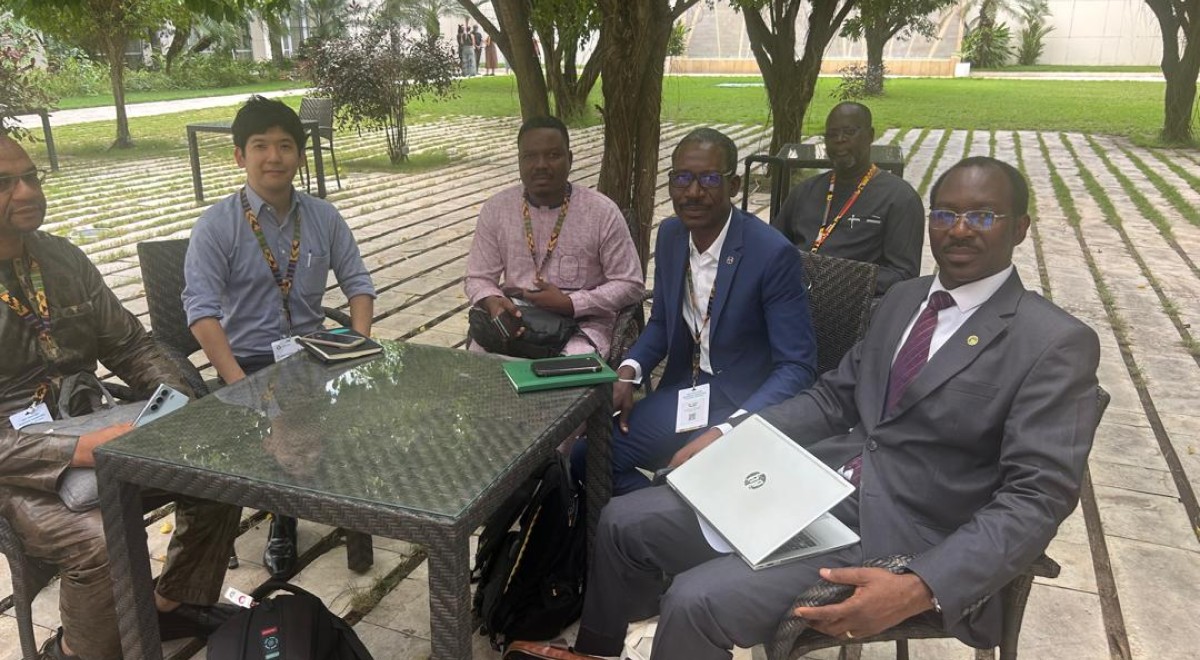
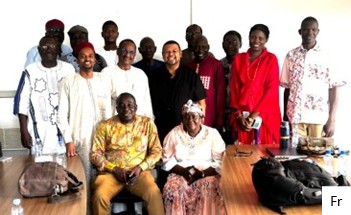
Burkina Faso deligation
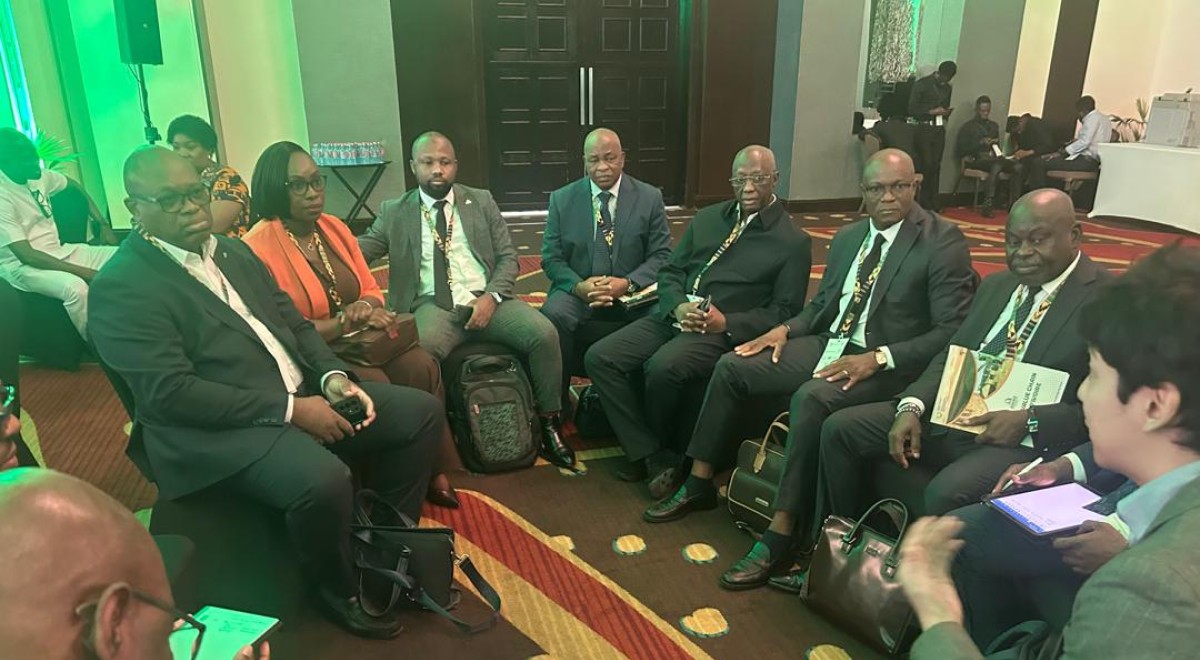
Cote d'Ivoire delegation
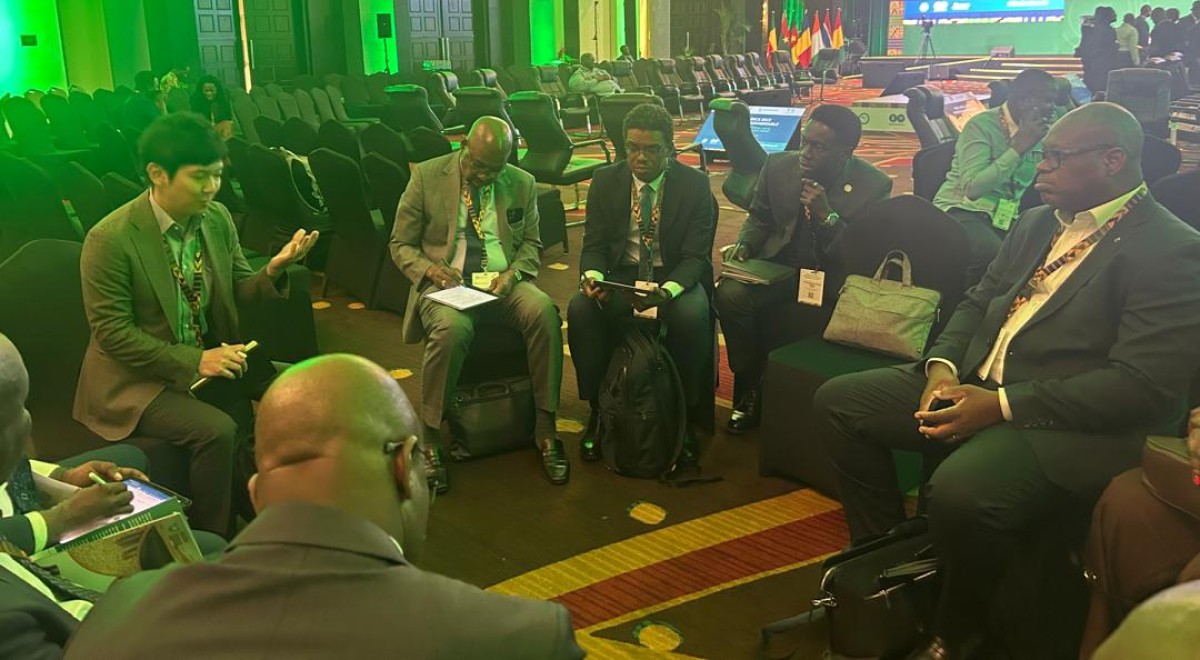
Cote d'Ivoire delegation
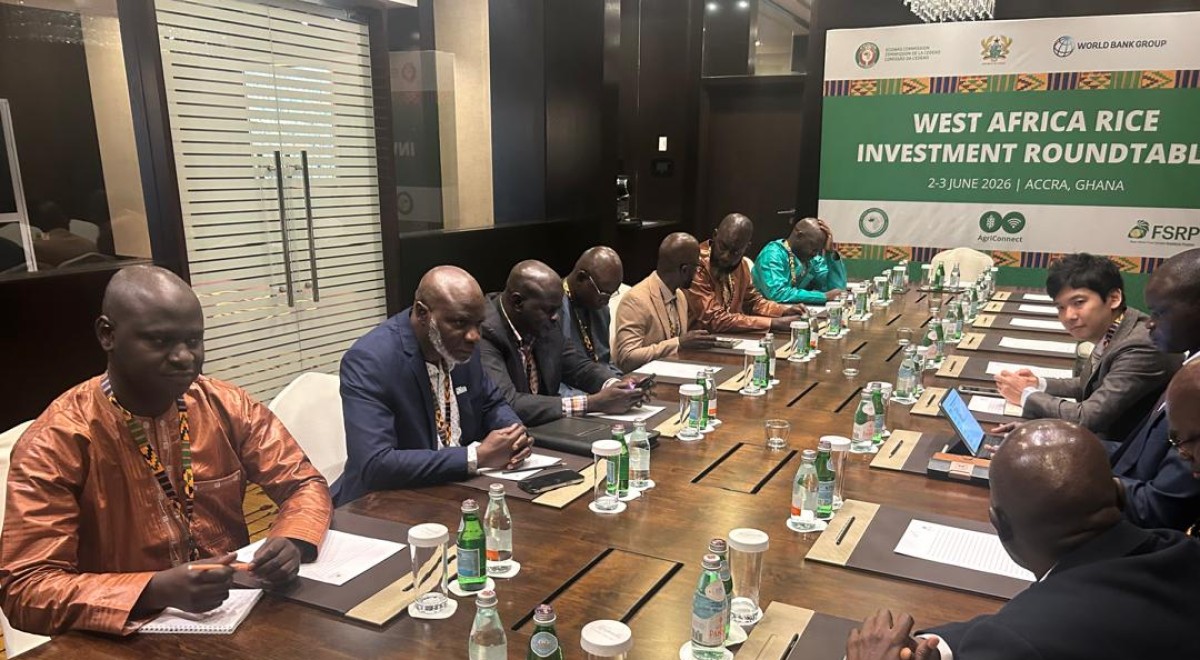
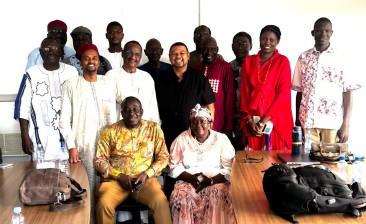
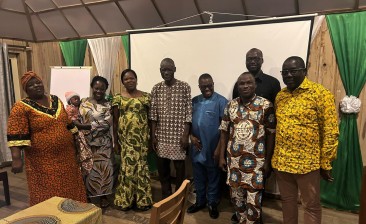
Gambia delegation
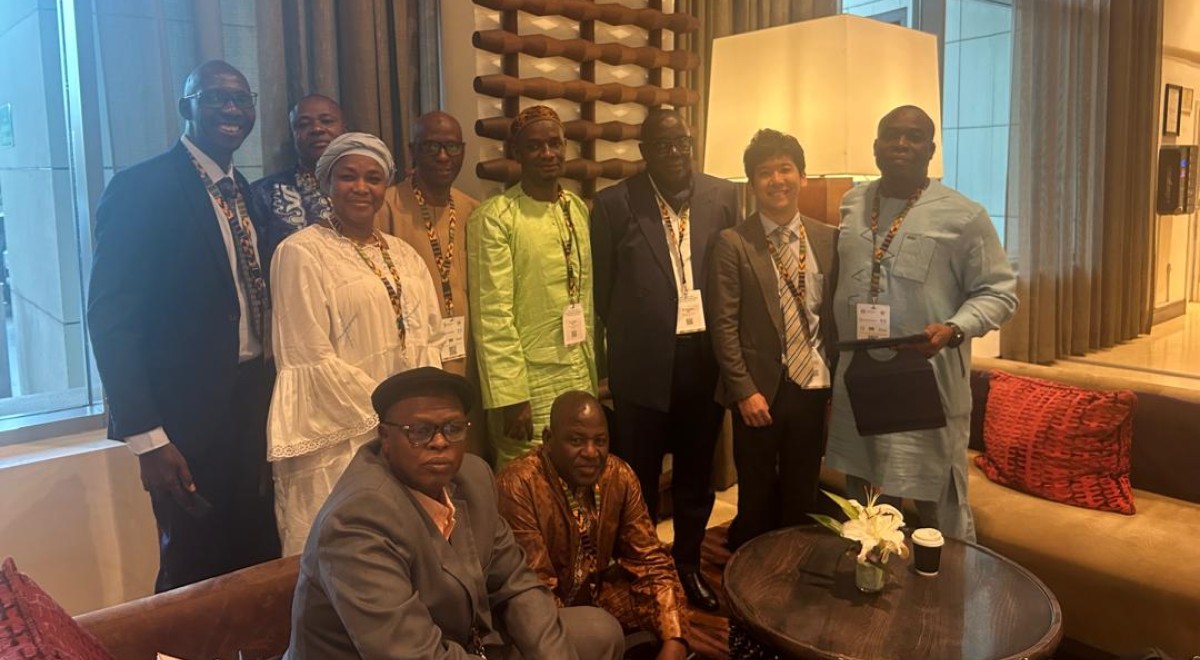
Mali delegation
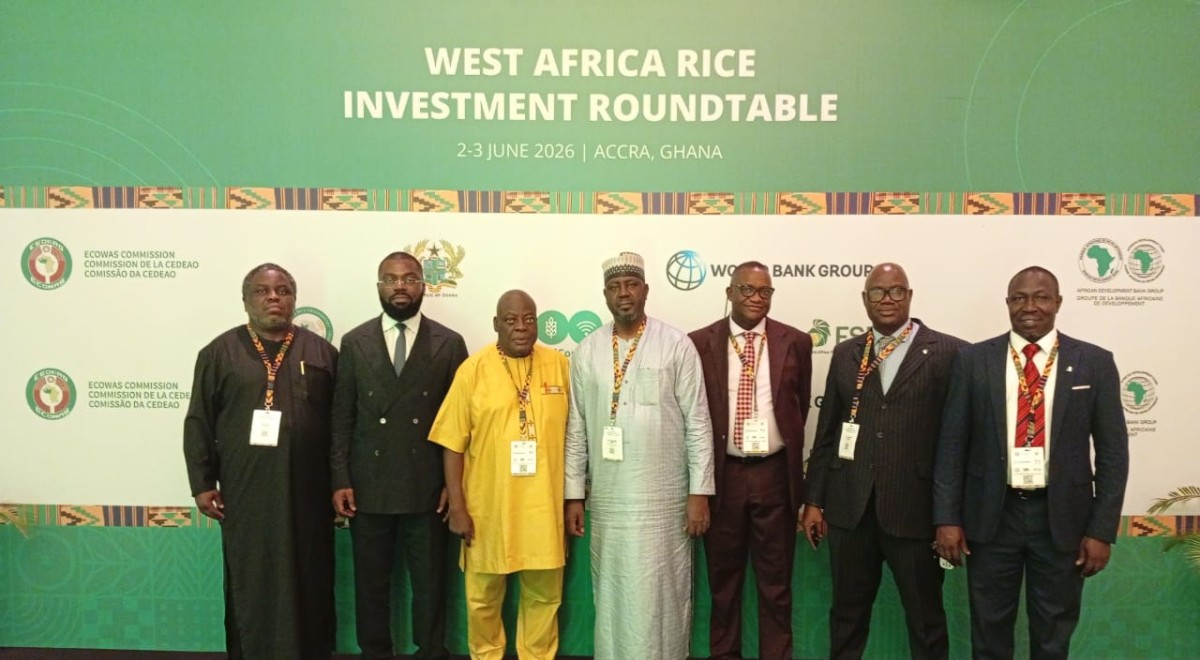
Nigeria ERO national chapter chairman with Nigeria delegation
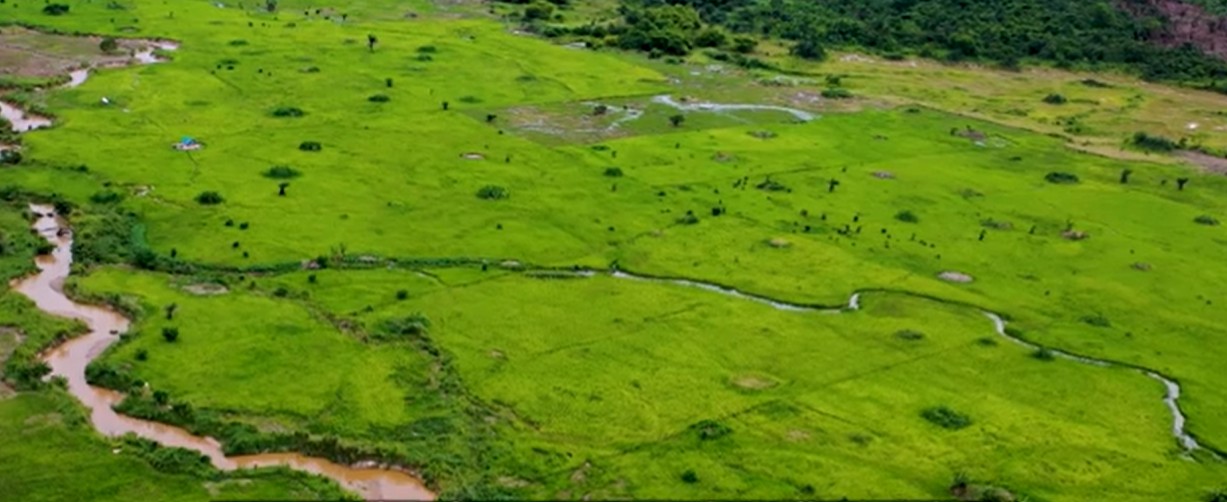

West Africa Rice Investment Roundtable