Ghana, May 2025_2
The preparatory meeting in the operationalization of the NRDS2
Background of the mission
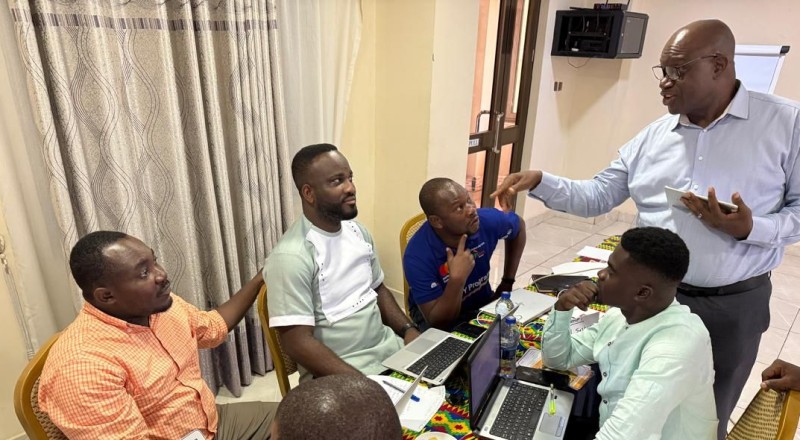
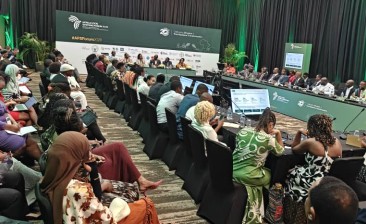
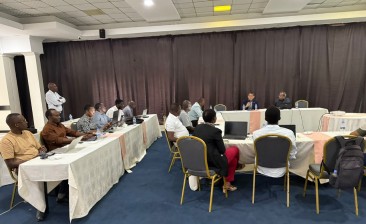
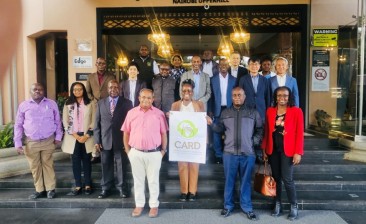
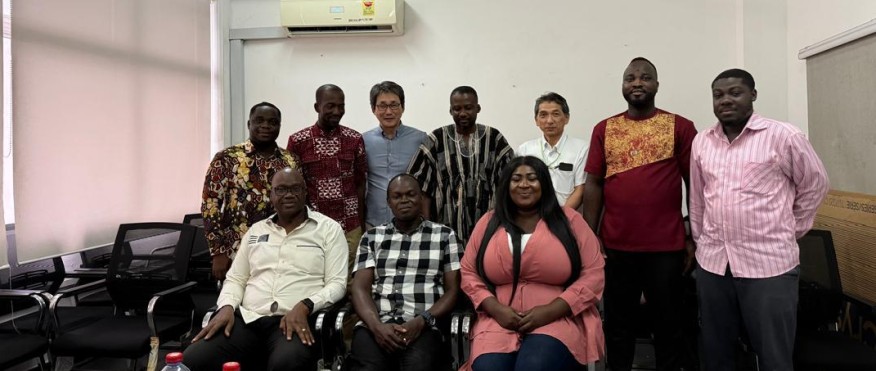
The second Ghana National Rice Development Strategy (NRDS2) was revised in 2019 but was only validated in 2024. Recently, a working week was organized marking a significant step forward in the operationalization of the NRDS2. The concept notes working week was preceded by a two-day Subsector Intervention Element Matrix (SIEM) session. The objective of the SIEM was to identify critical gaps along the rice value chain to guide future interventions. This preparatory meeting was held on the 15th and 16th of May in Accra. It brought together 12 participants, all key members of the Ghana Rice Task Force. During the session, the task force team thoroughly reviewed the NRDS2 document to pinpoint persistent challenges hindering the development of the rice sector. Several needs were identified across all thematic areas—these were systematically documented in a comprehensive Needs Matrix.
In addition, participants mapped existing interventions currently being implemented across the rice value chain, which were compiled into an Intervention Matrix.
Output of the mission – Concept notes development for resource mobilization
By analyzing the intersection between the identified needs and ongoing initiatives, participants were able to clearly define the remaining gaps in the sector. This exercise laid a solid foundation for the subsequent concept note formulation process.
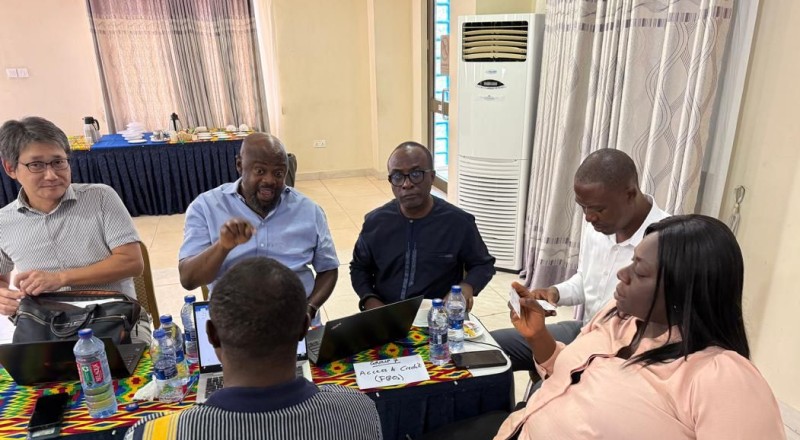
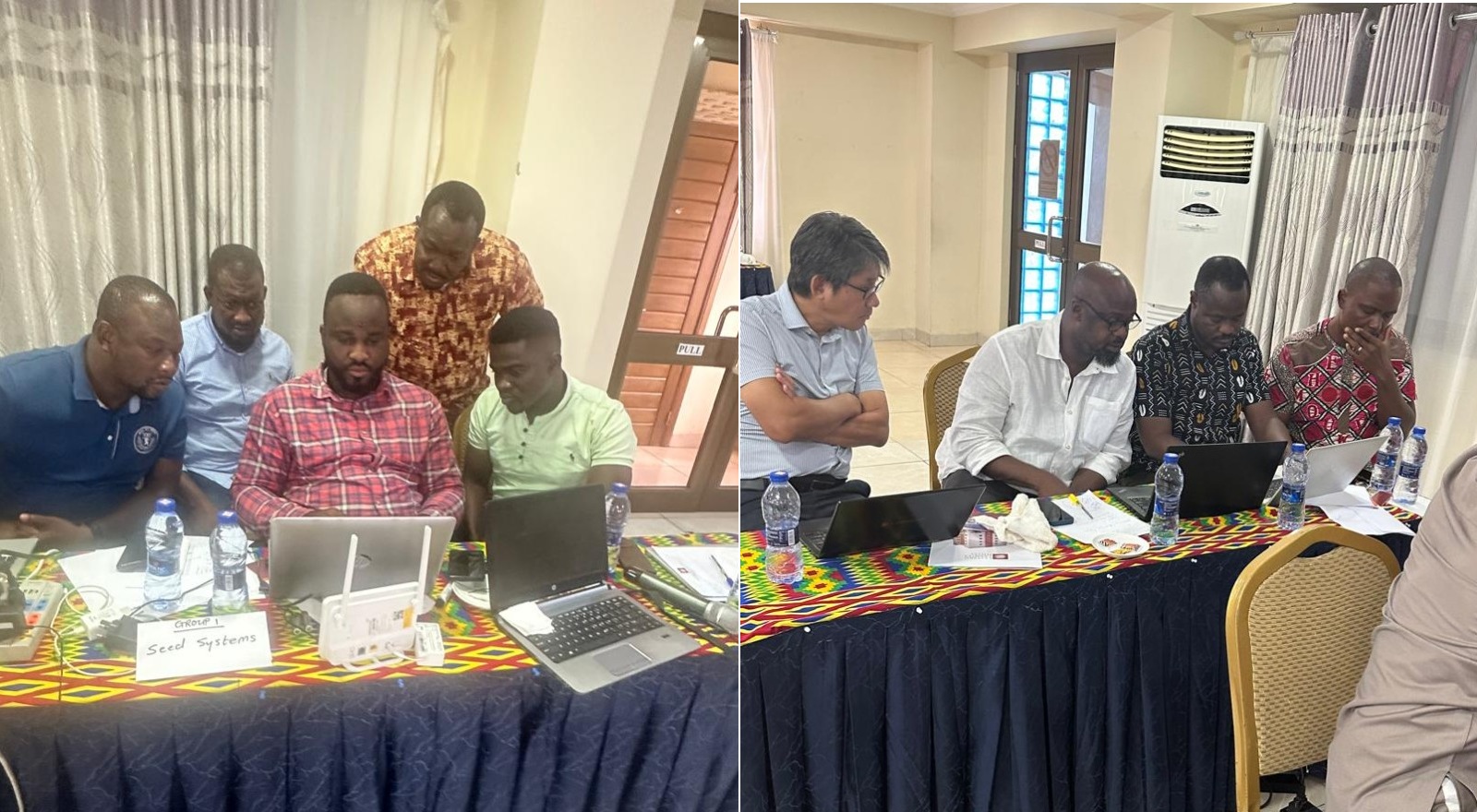
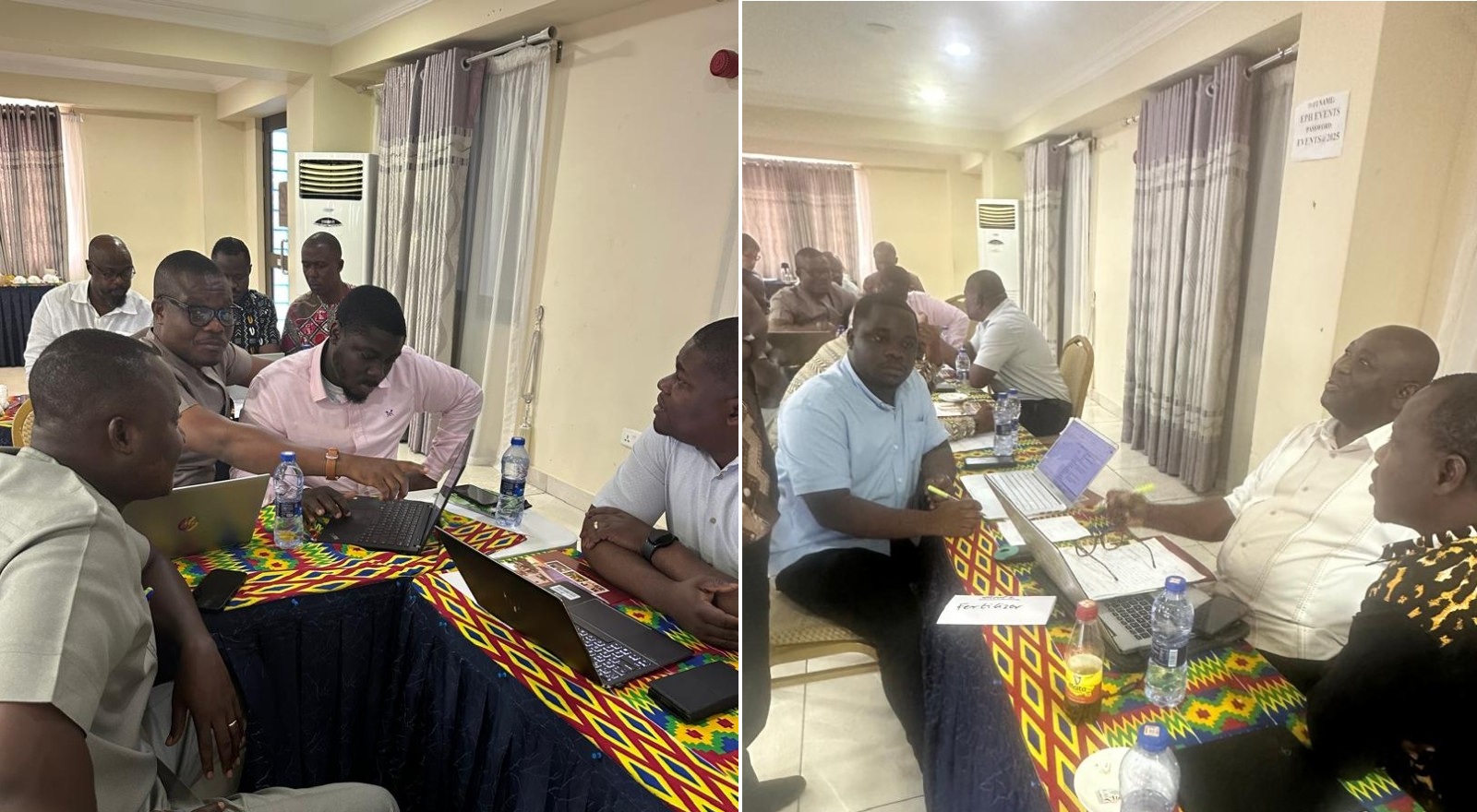
The concept note formulation meeting was held at Koforidua from the 19th to the 23rd of May, 2025. Thirty-five Participants drawn from the public and private sectors, including representatives from various rice development projects, research institutions, and other key stakeholders participated in the event. Through a painstaking brainstorming session, a total of seven concept notes were formulated.
The finalized concept notes are as follows:
- Sustainable agricultural production through efficient and safe use of fertilizers
- Enhancing Inclusive Agricultural Finance through Innovative Financial Products and Data-Driven Systems for rice Value Chain actors
- Enhancing Ghana Rice Quality through Upgraded Milling Centres
- Development and maintenance of varieties for increased rice production
- Rehabilitation and Development of Irrigation/Inland Valley Sites for Improved Rice Seed and Paddy Production In Ghana
- Establishment and Rehabilitation of Agricultural Mechanization Training Canters (ERAMTC)
At the end of the exercise a way forward was agreed, this includes the fact that the Rice Desk Office will present the final set of concept notes to the Agriculture Donor Working Group (ADWG) as part of a resource mobilization strategy aimed at securing funding for the implementation of the NRDS.