Kenya, July 2026
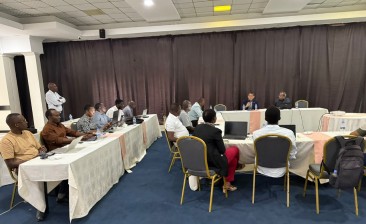
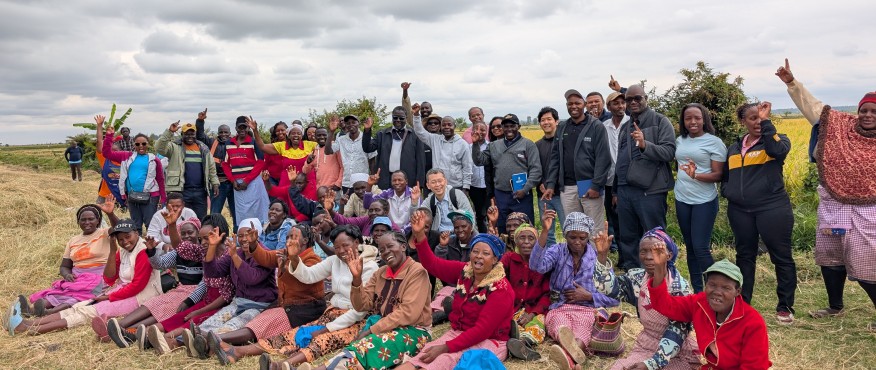
CARD Secretariat members visited Mwea Irrigation Scheme, Kirinyaga County in Kenya to learn the successful Village-Based Advisor (VBA) model
Rice consumption in Africa is expanding rapidly, with demand growing at an annual rate of 6 percent. This far exceeds Africa’s population growth rate (2.55 percent per year). There is no other staple food in Africa that has experienced such rapid growth in demand as rice. However, increases in rice production have not kept pace with rising demand, and import volumes are expanding year by year. This situation is driven by low rice yield. Over the past several years, the average rice yield in Sub-Saharan Africa (SSA) has remained stagnant at 2.1 t/ha. This is less than half of the average rice yield in Asia (4.99 t/ha).
Weak public extension services are one of the factors contributing to low rice yields in SSA, alongside constraints such as limited access to improved inputs, irrigation, finance, and climate-related challenges. In many SSA countries, public extension systems face serious challenges such as a shortage of extension agents, low technical capacity, lack of budget to train farmers, etc. Disseminating proper rice cultivation techniques to farmers remains a major challenge.
Since 2017, AGRA has been promoting the Village-Based Advisor (VBA) program in more than 10 African countries to complement public extension services and improve farmers’ access to agricultural advisory services. Under the VBA program, respected lead farmers are recruited from local communities as VBAs and trained in good agricultural practices. Then they widely disseminate those practices within their local communities through technical training. AGRA is partnering with Farm Africa to support rice farmers through the VBA program in Kirinyaga County, Kenya. In Kirinyaga County, fewer than 100 extension agents served approximately 5,000 farmers each, limiting the coverage and effectiveness of extension services.
As a result of the VBA program launched by AGRA in partnership with Farm Africa, approximately 200 VBAs have been trained, and improved agronomic practices have been widely disseminated to farmers within their communities. In particular, the VBA program has been promoting sustainable agriculture by minimizing the use of chemical fertilizers and encouraging the use of manure.
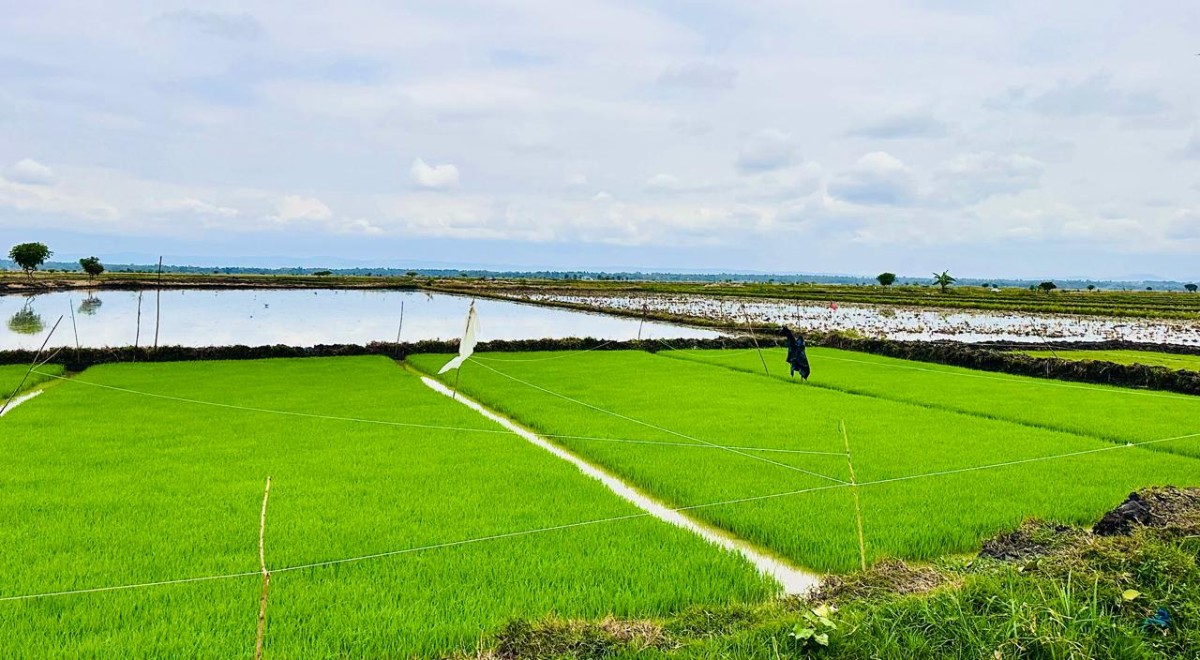
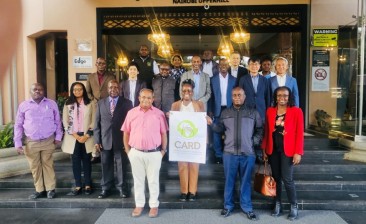
The Mwea Irrigation Scheme in Kirinyaga County is one of Africa’s leading rice-producing areas, boasting a yield of 2.5 tons/acre (approximately 6.25 tons/ha). This is three times the average rice yield for SSA. VBAs are playing a major role in enhancing rice productivity. On 10 July 2026, members of the CARD Secretariat based in Kenya, Senegal, Nigeria, Madagascar, Japan, and India, respectively, visited the Mwea Irrigation Scheme to observe the activities of the VBA’s. During the visit, Noordin Qureish, Specialist in Input Distribution and Agrodealer Development, and Abednego Kiwia, Systems Agronomist for Regenerative & Sustainable Farming at AGRA, explained the VBA program and facilitated the on-site visits.
Through the field visit to the Mwea Irrigation Scheme, it was evident that the dissemination of agronomic practices by VBAs, who are intimately familiar with the community’s agricultural environment, is highly effective in improving rice farmers’ productivity, increasing yields, and enhancing their incomes.
The VBAs in the Mwea Irrigation Scheme, being farmers themselves, also have increased their agricultural production by adopting good agricultural practices. In addition, they have earned commissions by acting as intermediaries between farmers and dealers for seed purchases as well as by facilitating the marketing of farmers’ produce, thereby increasing their own income. During the interviews, each of the VBAs expressed great satisfaction with the importance of their role and the increase in their own incomes. They demonstrated a strong commitment to continuing their VBA activities even after the Farm Africa program concludes.
In most of the 37 CARD member countries, there is an absolute shortage of public extension workers. CARD is initiating actions to improve rice yields and increase production through the introduction of the VBA program. In Benin, CARD has been working closely with AfricaRice, WFP, AGRA, and the Government of Benin to formulate a new program aimed at improving rice production in rain-fed ecosystems through the VBA program. We will also explore the potential for the broader introduction of VBA programs in other CARD member countries as well.
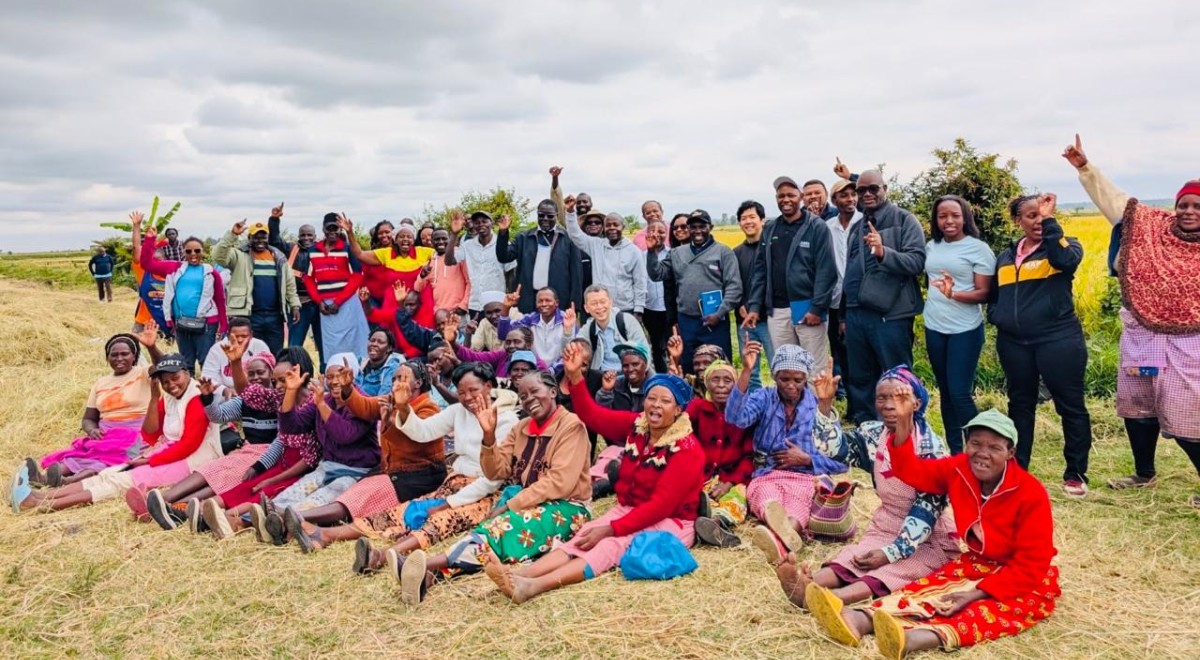
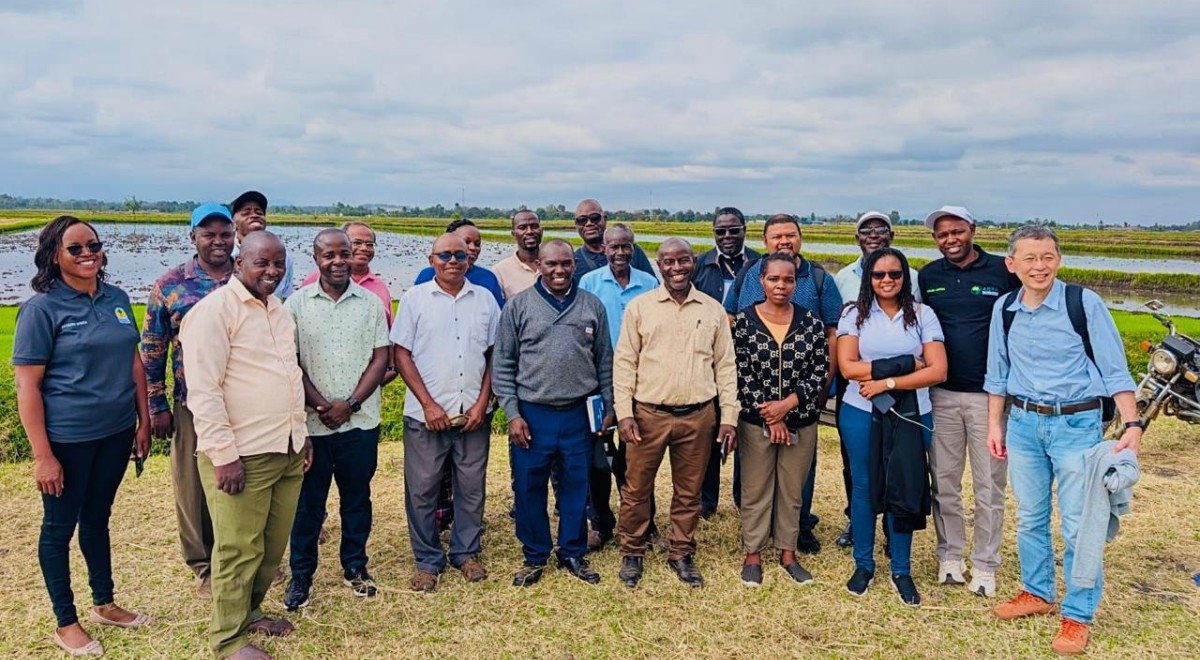
With farmers and VBAs in Mwea
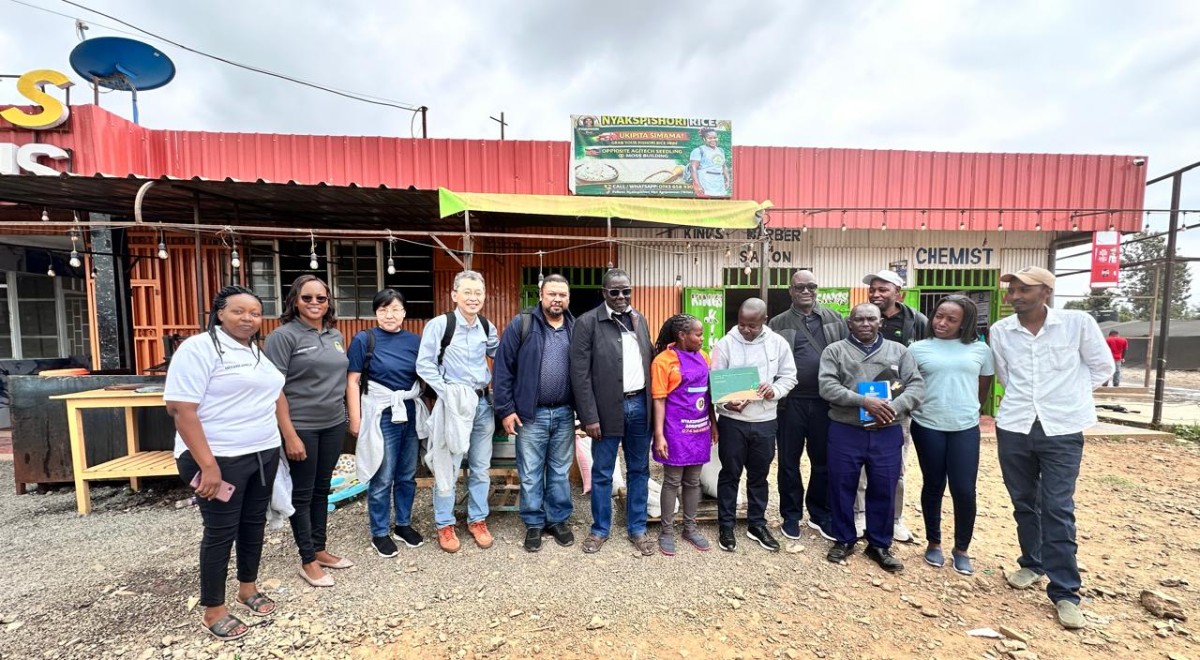
VBA’s rice shop