Benin, December 2025
The working week on the Revision of the NRDS in Benin
-
Background of the working week
After the end of the implementation of the second generation of the National Rice Development Strategy (NRSR-2), a pivotal working week took place on 15-19 December 2025, marking a significant step in revising the country’s NRDS. Following the successful implementation of the second generation of the strategy (NRDS-2), stakeholders gathered to kickstart the development of NRDS-3, which aims to set ambitious targets for the years 2026-2035.
The event was organized with technical support from the Coalition for African Rice Development (CARD) initiative, co-financed by JICA, alongside contributions from the IsDB-funded Integrated Agricultural Value Chain Development Project. The overarching goal: to position Benin as a self-sufficient rice producer by 2035, with a target of producing 2 million tons of paddy and reach the target of 1 million of ton of paddy by 2030.
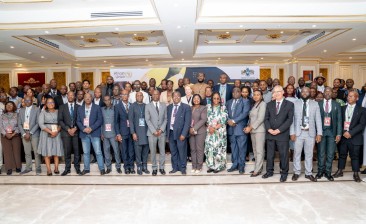
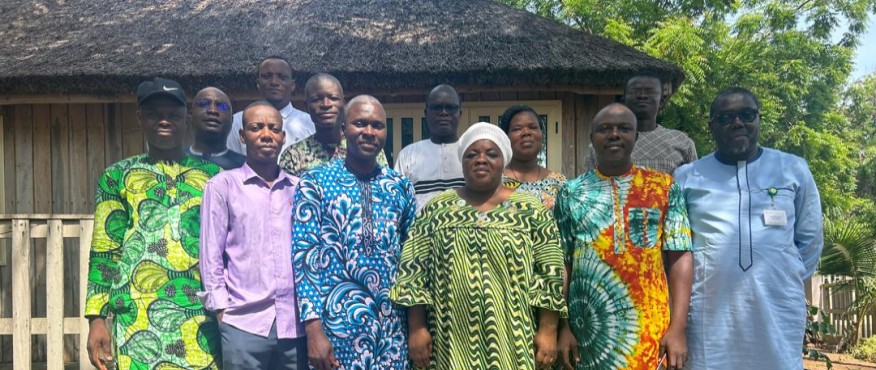
The workshop saw the participation of key actors, including representatives from the Ministry of Agriculture, research institutions such as Institut National de Recherches Agricoles du Bénin (INRAB), producer organizations, and technical partners like CARD’s Senior Regional Adviser and JICA Deputy Resident representative. The core task was to lay the groundwork for NRDS-3, focusing on diagnosing the current rice sector, analyzing lessons learned from the previous strategy, and defining strategic objectives and frameworks.
-
Methodology and Approach
The methodology centered on knowledge-sharing and evidence-based revision. Participants reviewed the successes and shortcomings of NRDS-2, leveraging data to inform the future strategy. The process emphasized inclusive planning, ensuring all stakeholders’ concerns are integrated into the new plan.
-
Key results of the working week
The working week, began with a modest opening ceremony, followed by sessions analyzing the implementation of NRDS-2 and the ECOWAS-supported investment plan for 2025-2027. Discussions reaffirmed that the development of NRDS must be guided by principles that promote inclusivity, address stakeholder concerns, and facilitate collaborative implementation. The workshop outlined the minimum content for NRDS-3, including:
- Contextual analysis of the global and regional rice environment
- A comprehensive diagnosis of the national rice sector based on results, lessons, and evidence
- Alignment with national policy frameworks
- Use of existing statistics to project targets and yields by ecological zone
- Identification of sector challenges and opportunities—covering trade, land tenure, seed systems, input access, credit, research, and capacity building to define a realistic approach.
To give substance to these guidelines, Participants engaged in presentations, group discussions, and plenary feedback sessions. Using econometric modeling tools like IRIS COMFAR, projections underscored the need to focus on increasing input access (certified seeds, fertilizers), developing irrigation, mechanization, and capacity building through the promotion of Good Agricultural Practices (GAP).
Thus, the diagnostic and strategic chapters, including vision, objectives, institutional arrangements, and intervention logic, will now be shared with stakeholders for feedback and refinement.
-
Supporting Collaboration and Future Steps
Parallel to the workshop, CARD Secretariat representative and the NRDS Focal Point held meetings with some CARD Steering Committee members (WFP and AfricaRice). These discussions highlighted promising collaboration avenues, with WFP expressing commitment to supporting pilot projects aimed at boosting rice productivity in Benin. Additionally, AfricaRice’s econometric analyses provided a scientific basis for prioritizing sectors and mobilizing funding aligned with NRDS targets.
Looking ahead, the consensus was that Benin will finalize the draft of NRDS-3 and develop a concept note for a pilot project on lowland rice development using the SMART Valley approach which is promoting by AfricaRice by March 2026. Meanwhile, Benin is preparing to host its second working week towards the finalization of the NRDS-3.
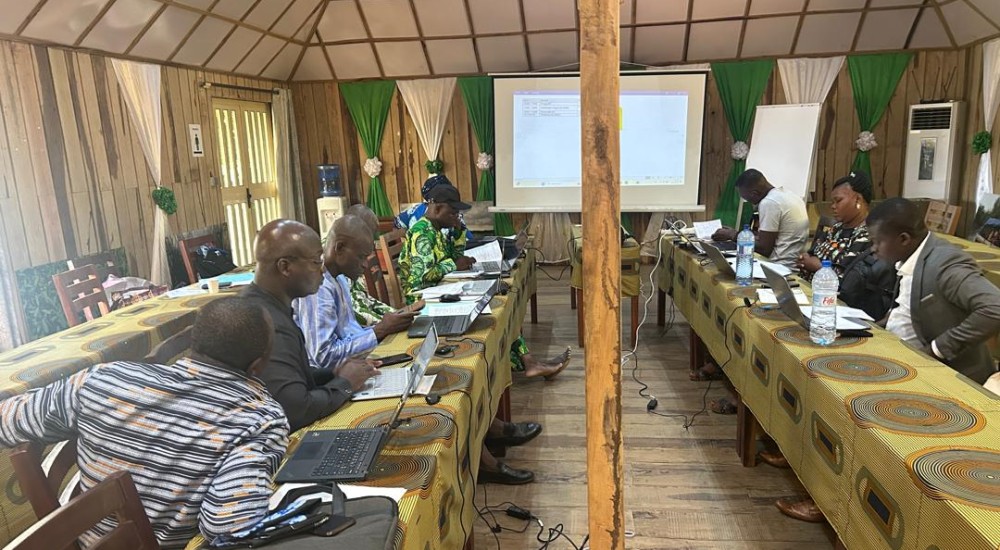
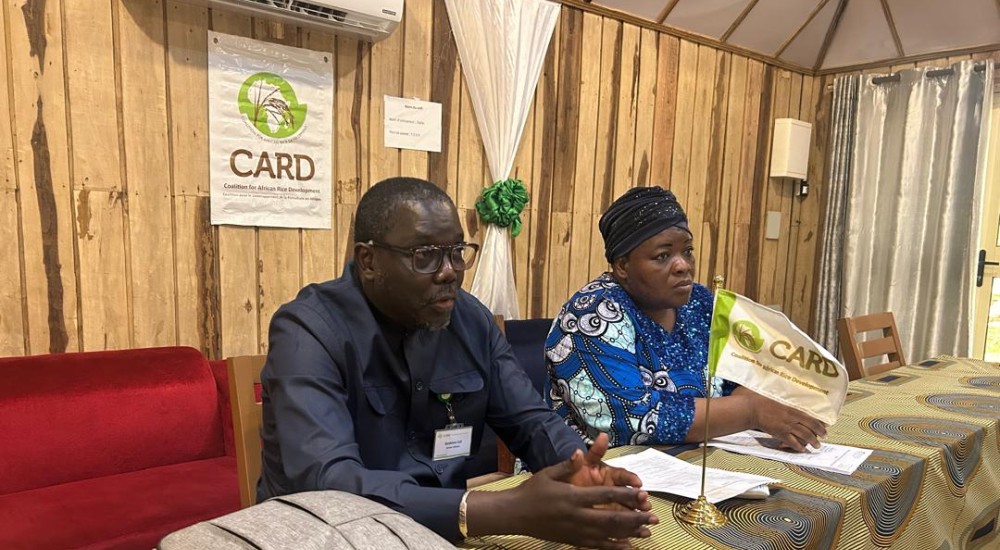
During the workshop
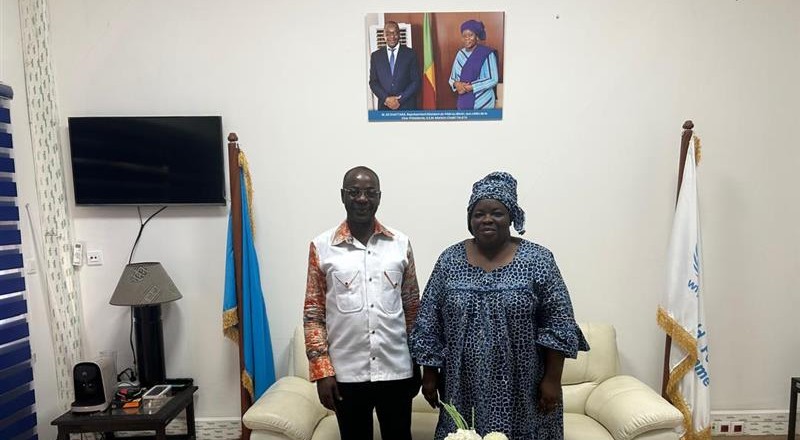
CARD Focal Point with WFP Country Director
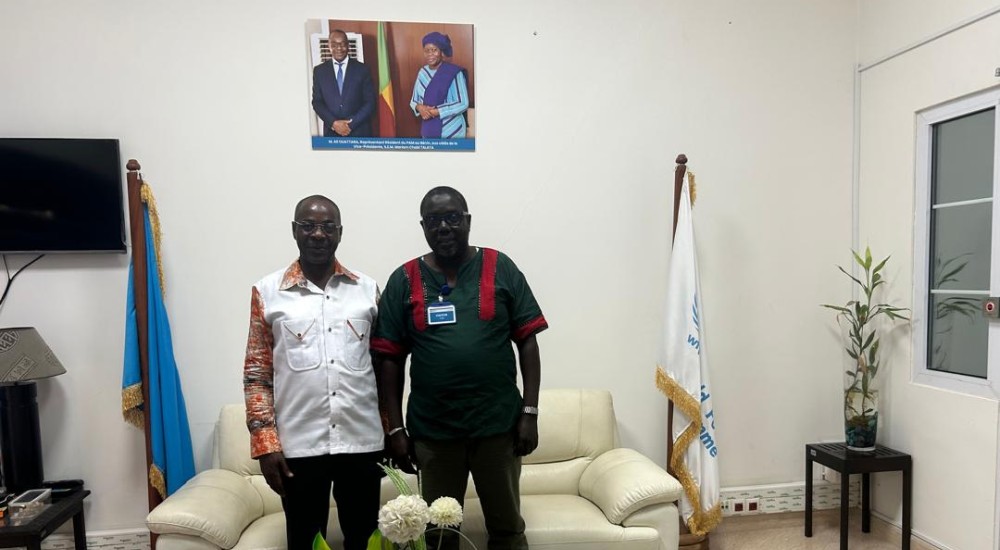
CARD Senior Regional Advisor with WFP Country Director