Ethiopia, October 2026
Face to the uncertainty surrounding Rice in Africa, the Addis Ababa Global Dialogue Calls for Sustainable Investment in the Sector and More Resilient Markets
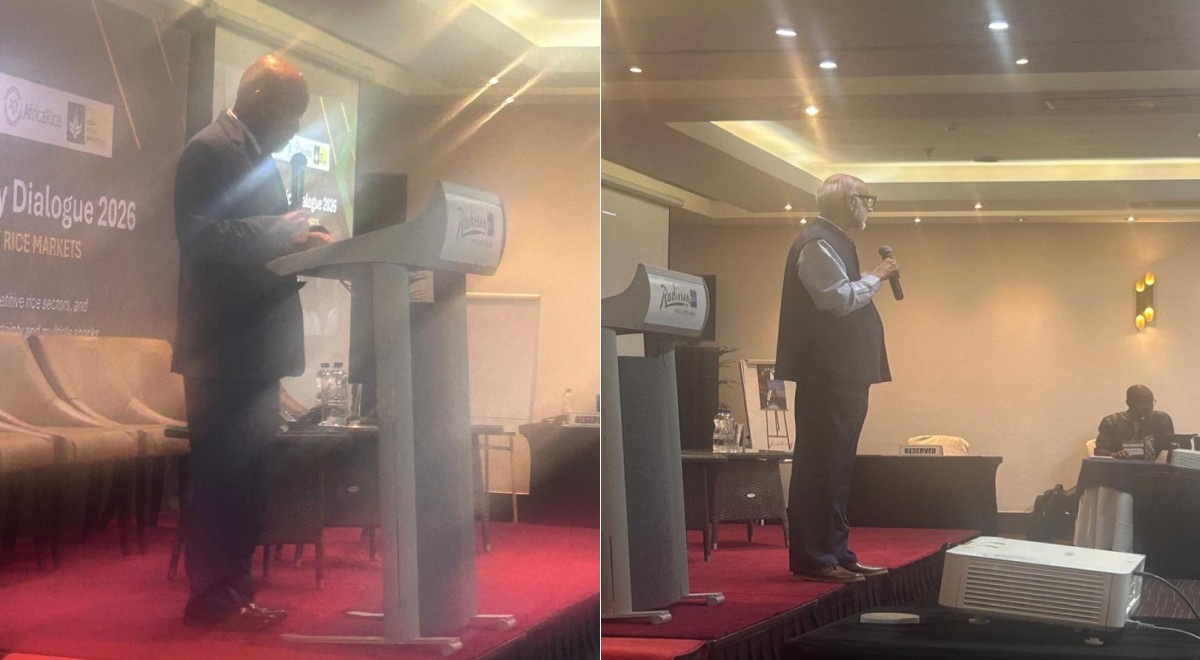
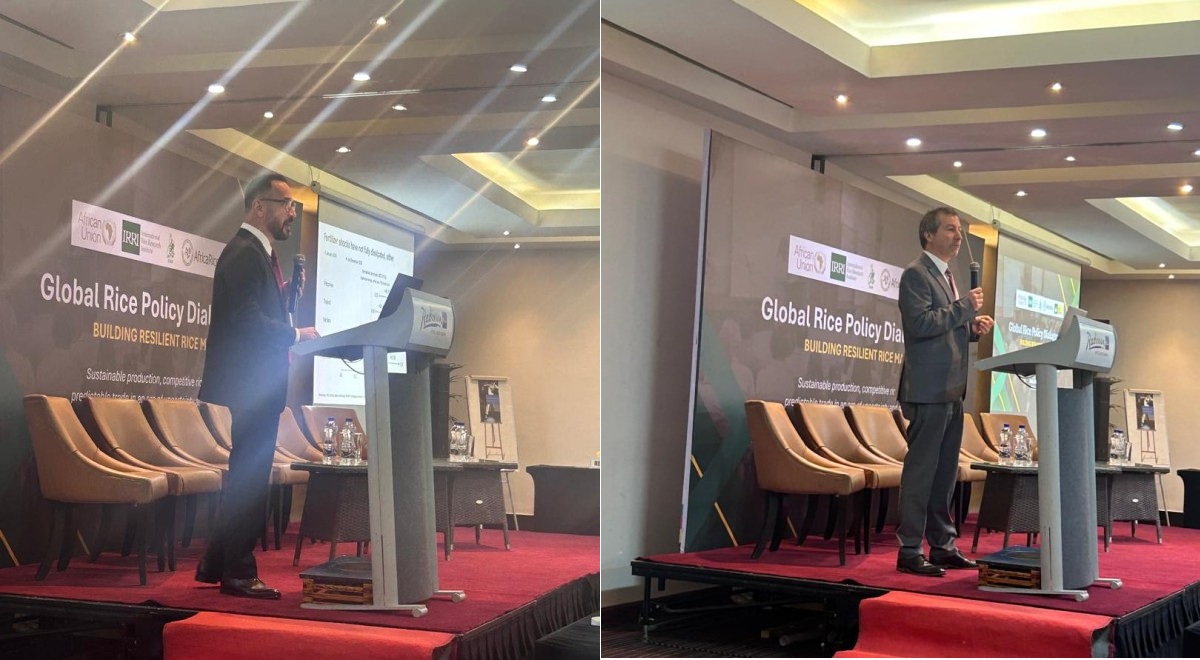
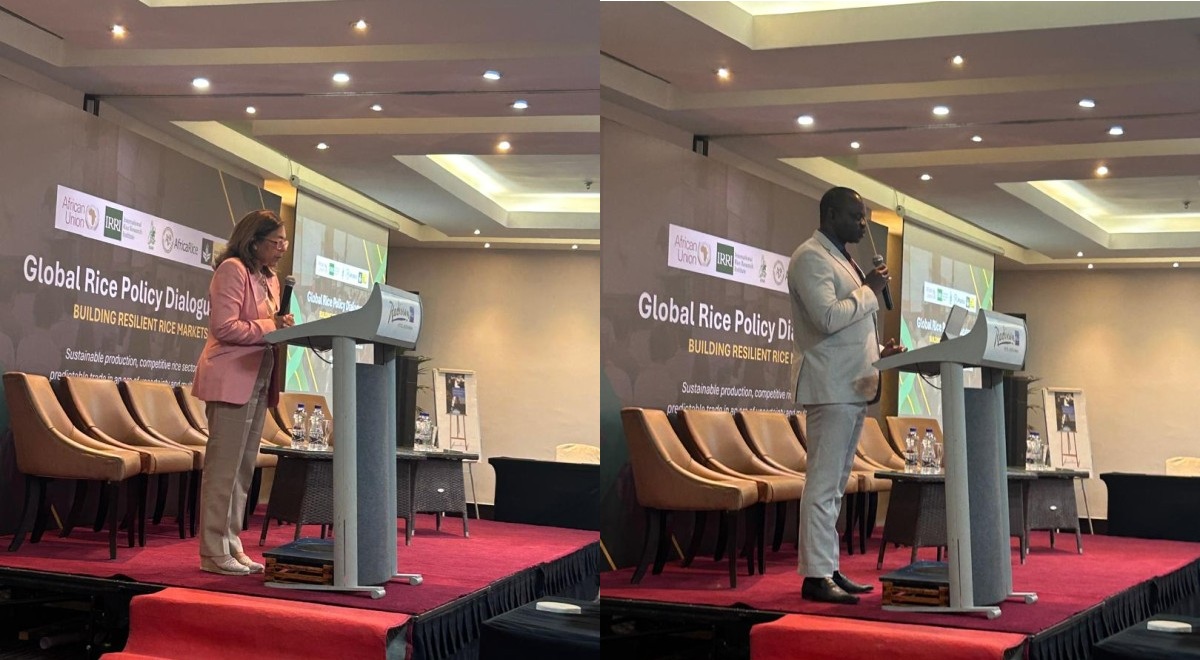
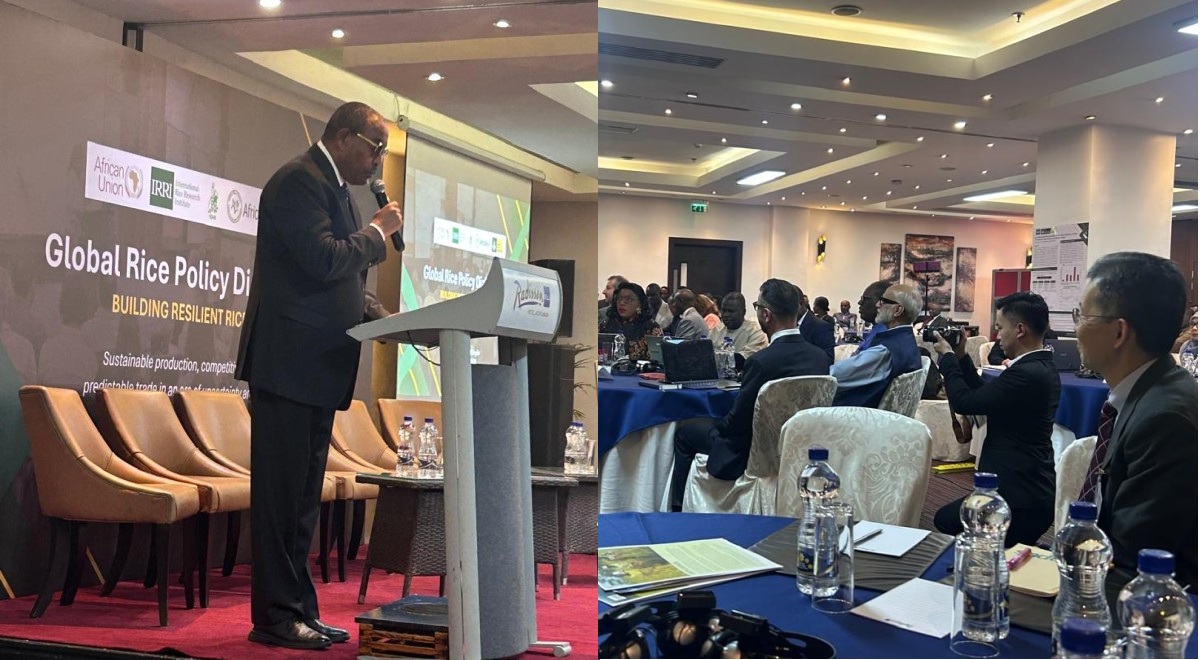
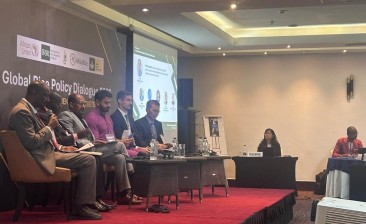
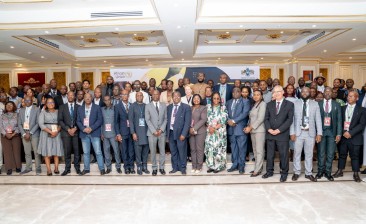
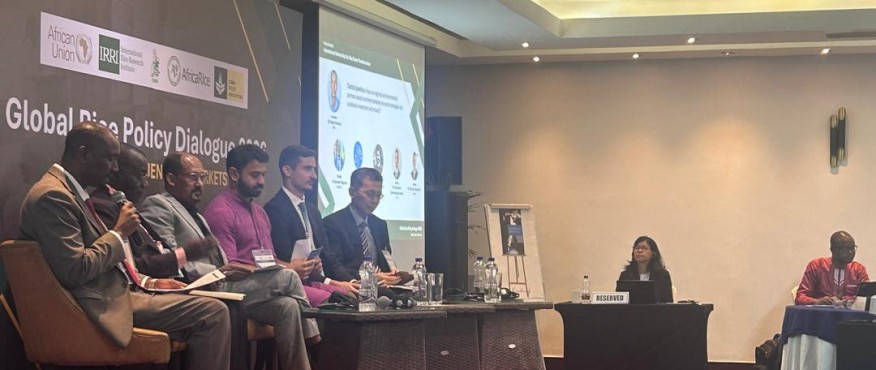
Global Rice Policy Dialogue 2026, held on 15–16 October 2026 in Addis Ababa, policymakers, researchers, technical and financial partners, and private sector stakeholders from Africa and Asia urged sustained investments in the rice sector and the development of more stable markets as a El Niño episode threatens global supply.
Confronted with the uncertainty that looms over rice in Africa, the Global Rice Policy Dialogue 2026 (15–16 October 2026) advocated a sustained intensification of investments in the rice sector and the establishment of more resilient markets, given that global supply could be jeopardized by El Niño and rising energy and input costs. Bringing together decision-makers, researchers, and public and private actors from Africa and Asia, the event aimed to align views on production, competitiveness, stocks, and cross-border trade to transform a heavy dependency into a robust value chain capable of withstanding climatic and economic shocks. From CARD secretariat: the General Coordinator (Mr. Shinjiro Amameishi), Technical Coordinator (Mr. Kota Miyazaki) and Senior Regional Advisor ( Mr. Ibrahima Sall) physically participated in the event.
A costly dependence in a tight global market
The development of rice farming in sub-Saharan Africa must simultaneously meet rapidly growing demand and constitute a major economic opportunity. The continent remains heavily dependent on imports: it consumes roughly 18 million tonnes of rice annually—sub-Saharan Africa alone accounts for nearly one third of world rice trade—for a bill of 6 to 9 billion dollars per year. Production is growing at about 4% per year, while consumption rises by about 6%. The international market, however, is narrow, with only about 11% of global production traded, and highly concentrated: five exporters (India, Thailand, Vietnam, Pakistan, Cambodia) supply nearly 80% of volumes. As global demand remains robust, a marked El Niño episode, coupled with higher energy and fertilizer prices, could constrain supply and push up prices, risking jeopardizing the 2027 crop.
Against this backdrop, the Dialogue sought to establish a common framework to analyze interactions among national production, competitiveness, stock levels, and exchanges, and to propose concrete options for more stable and predictable rice markets. With 32 African countries already endowed with a National Rice Development Strategy (NRDS), the challenge is less about planning than about large-scale implementation.
Tangible results when policy and investment converge
Participants called for a holistic approach to the value chain, from production to commercialization, and for stronger alignment between public investment and private sector involvement, noting that much of value addition and employment lies beyond the farm gate: milling, parboiling, packaging, and trade. Concrete examples illustrated this: Tanzania dramatically expanded irrigation budgets in rice-growing areas, tripling the irrigated area, increasing output more than fivefold, and becoming a net producer. Ethiopia more than doubled its production in a decade. In West Africa, a $500 million Rice Investment Facility was announced, with an initial $100 million contribution from the ECOWAS Bank for Investment and Development (BIDC).
Asian experiences demonstrate how several countries transitioned from rice importers to exporters through improved irrigation, adoption of high-yielding varieties, and strengthened agricultural extension services, all underpinned by a clear national strategy and sustained public investment. However, these experiences also remind us that structural constraints persist, including heavy irrigation dependence, high input costs, limited access for smallholders to technologies, and phytosanitary and climate risks. Addressing these constraints requires rigorous management and ongoing investments.
Priority investments and a 12-month roadmap
Participants identified climate shocks and water scarcity as the primary risks to rice markets, ahead of low productivity and competitiveness, followed by fertilizer and energy costs. Investment priorities align accordingly: first irrigation and water management, followed by strengthening seed systems, linking research with extension, and finally transforming the value chain through processing, storage, and grain quality. Four working groups prepared proposals consolidated into a 12-month operational plan, featuring continuous early-warning mechanisms, targeted subsidies, incentives for investment in irrigation and mechanization, supplier diversification, and regional cooperation frameworks. The horizon goal for 2031 is ambitious: to secure and expand local production while ensuring traceability and accessibility of rice for national and regional markets, and to boost employment and value addition beyond the farm through processing, storage, and distribution.
What lessons for Africa?
To reverse current trends, practical solutions exist, but their effective implementation demands a favorable framework and coordinated investments. A consensus message emerged from the Dialogue: no country can secure its rice supply solely through either self-sufficiency or trade. Hence the call for predictable exchanges, regional stock mechanisms, and early-warning systems, given that a country’s export/import/storage decisions ripple across prices and regional food security.
Sub-Saharan Africa can leverage Asian experience to advance toward sustainable rice production tailored to local needs and resilient to climatic and economic shocks. Priority actions include improving irrigation and water management, developing robust seed systems, and transforming the value chain up to storage and marketing.
Ultimately, the Dialogue articulated a shared vision: to meet rising demand and manage risks, Africa must strengthen the links between science, public policy, and the private sector, while ensuring targeted support for producers, especially smallholders. The African Union Commission pledged to incorporate the Dialogue’s conclusions into member-state support programs. By consolidating regional and South-South partnerships, the continent can progress toward enhanced food security and greater competitiveness in rice markets.