JICA Tsukuba, September 2026
Strengthening Capacities to Accelerate Rice Sector Development in Africa: 17 Countries Gather in Tsukuba, Japan
Tsukuba, Japan – September–October 2026
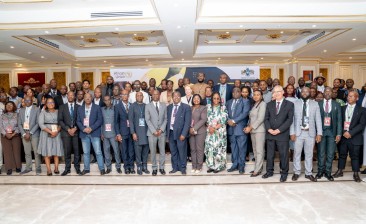
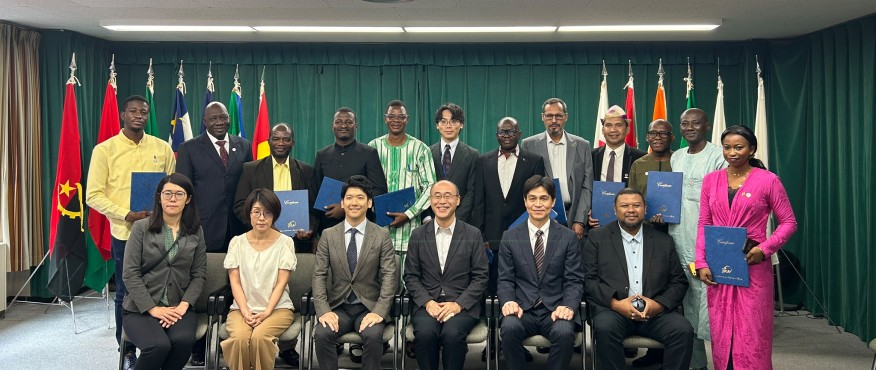
As part of the second phase of the Coalition for African Rice Development (CARD), 17 representatives from African countries participated in two training sessions held in Tsukuba, Japan, under the Japan International Cooperation Agency (JICA) Knowledge Co-Creation Program. Focused on promoting rice sector development in sub-Saharan Africa, the sessions aimed to strengthen participants’ capacities in rice sector development, implementation of National Rice Development Strategies (NRDS), and mobilization of the resources needed to put these strategies into action.
Two Training Sessions Bringing Together 17 African Countries
The program conducted in two sessions for French-speaking and English-speaking participants. The French-speaking session, held from 6 to 26 September 2026, brought together participants from 11 countries: Angola, Burkina Faso, Cameroon, Guinea, Equatorial Guinea, Madagascar, Mauritania, Niger, the Central African Republic, Senegal, and Chad. The English-speaking session, held from 23 September to 10 October 2026, covered participants from six countries: Zimbabwe, The Gambia, Nigeria, Tanzania, Mozambique, and Sudan.
Involved at different levels in their countries’ rice development processes, participants had the opportunity to share experiences, identify common challenges, and deepen their understanding of the various stages of NRDS formulation, implementation, and monitoring.
The program also provided a platform for participants to present the situation of the rice sector in their respective countries to staff at JICA headquarters, fostering constructive discussions on country-specific priorities and areas requiring further support.
Drawing on Japanese Experience to Improve Rice Production
The program combined technical sessions and field visits, allowing participants to explore different Japanese approaches to rice research, production, and value chain management.
Key topics covered varietal improvement and climate resilience, water management and irrigation systems, certified seed production and quality control, as well as post-harvest management and distribution techniques.
Particular attention was also given to low-input farming practices, organic rice cultivation, and the relationship between agricultural production and nutrition.
Beyond strengthening their technical knowledge and practical skills, participants were encouraged to identify practices that could be adapted to the agroecological, institutional, and economic contexts of their respective countries.
From Strategy to Action: Strengthening NRDS Implementation
One of the main objectives of the training was to deepen participants’ understanding of the NRDS development process, from strategy formulation through to effective implementation.
Discussions highlighted the importance of a continuous process linking the identification of national priorities, preparation of investment projects, resource mobilization, monitoring of indicators, and organization of Annual Rice Sector Reviews (ARSRs).
Participants were also encouraged to tailor their actions to their country’s stage of progress. While some countries already have validated strategies and are focusing on implementation, others are still working toward formulating or validating their strategies.
Putting Resource Mobilization at the Heart of Priorities
A major lesson from the training was the importance of resource mobilization as an essential condition for turning NRDS priorities into concrete investments.
Participants strengthened their understanding of how to establish structured dialogue with technical and financial partners, particularly through the development of well-structured concept notes, identification of potential funding partners, and alignment with partners’ strategic priorities and programming cycles.
The training emphasized that effective resource mobilization requires more than submitting funding requests. It also depends on the quality of proposed projects, their alignment with national priorities, and their fit with partners’ strategies.
This approach aims to strengthen countries’ capacity to promote credible investment projects and accelerate the implementation of their rice development strategies.
Seventeen Action Plans to Turn Learning into Concrete Results
At the end of the two sessions, all 17 participants were invited to develop individual Action Plans to translate the training lessons into concrete activities. The 11 Action Plans reviewed during the French-speaking session cover the period from October 2026 to September 2027; six additional plans correspond to participants in the English-speaking session.
These plans outline the main activities to be undertaken upon returning to their respective countries, taking into account each country’s specific needs and the stage of development of its NRDS.
Proposed actions include strengthening national coordination mechanisms, preparing and promoting priority projects, organizing meetings with technical and financial partners, improving monitoring and evaluation, and adapting selected technical practices observed in Japan.
The review of the Action Plans showed that participants had gained a good understanding of the program’s main lessons, particularly the need to connect strategic planning with resource mobilization and the effective implementation of investments. Together, the two sessions bring the total number of Action Plans developed under this edition to 17.
Ensuring Follow-Up to Sustain the Benefits of the Training
The success of this initiative will also depend on participants’ ability to implement the commitments set out in their Action Plans.
In this regard, the CARD Secretariat, through its Regional Advisors, will continue supporting participants and national focal points to facilitate activity monitoring, identify potential challenges, and sustain dialogue with relevant partners.
Particular attention will be paid to resource mobilization, the preparation of projects capable of attracting financing, and the strengthening of national capacities for evidence-based advocacy.
Toward More Effective Implementation of African Rice Development Strategies
The two Tsukuba training sessions represent an important contribution to capacity development among national stakeholders from 17 African countries working to advance rice sector development in sub-Saharan Africa.
By combining Japanese experience, exchanges among African countries, and the preparation of national Action Plans, the training helped consolidate the technical and institutional knowledge needed for NRDS implementation.
Above all, the training reaffirmed that developing a strategy is only the first step: success depends on stakeholder engagement, the availability of financing, and the implementation of concrete actions that benefit the rice sector.
Through this initiative, CARD reaffirms its commitment to supporting member countries in their efforts to sustainably increase rice production, strengthen sector resilience, and contribute to food security across Africa.
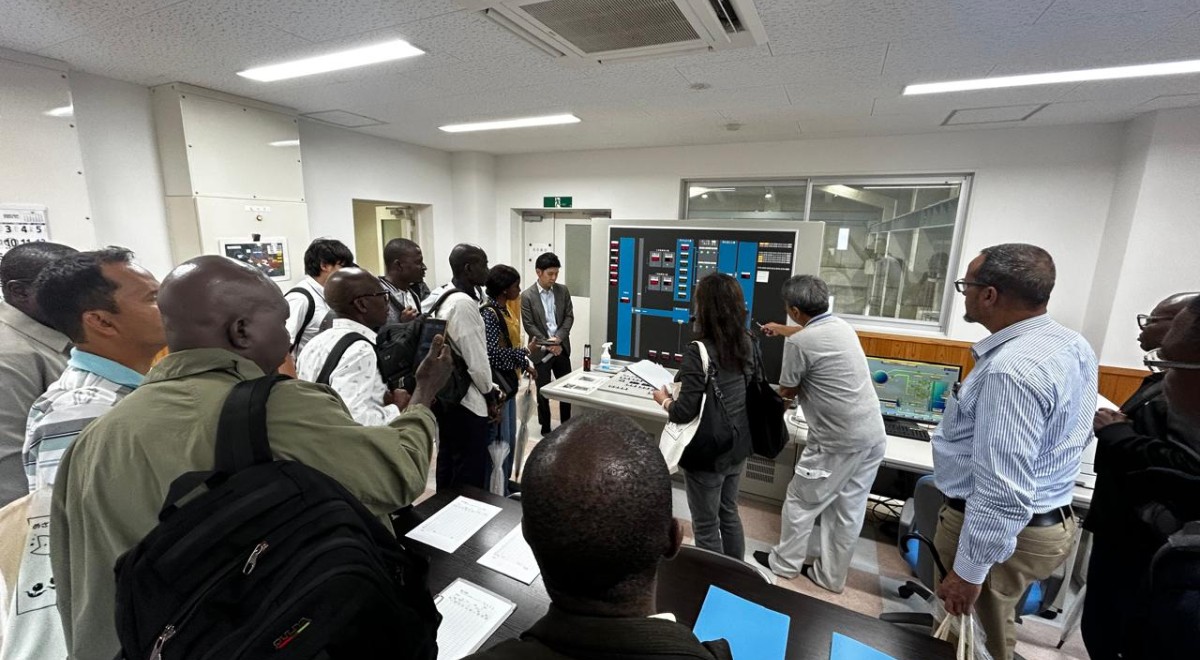
Visit to Tajimaya Co., Ltd. – Post-Harvest Management (French course)
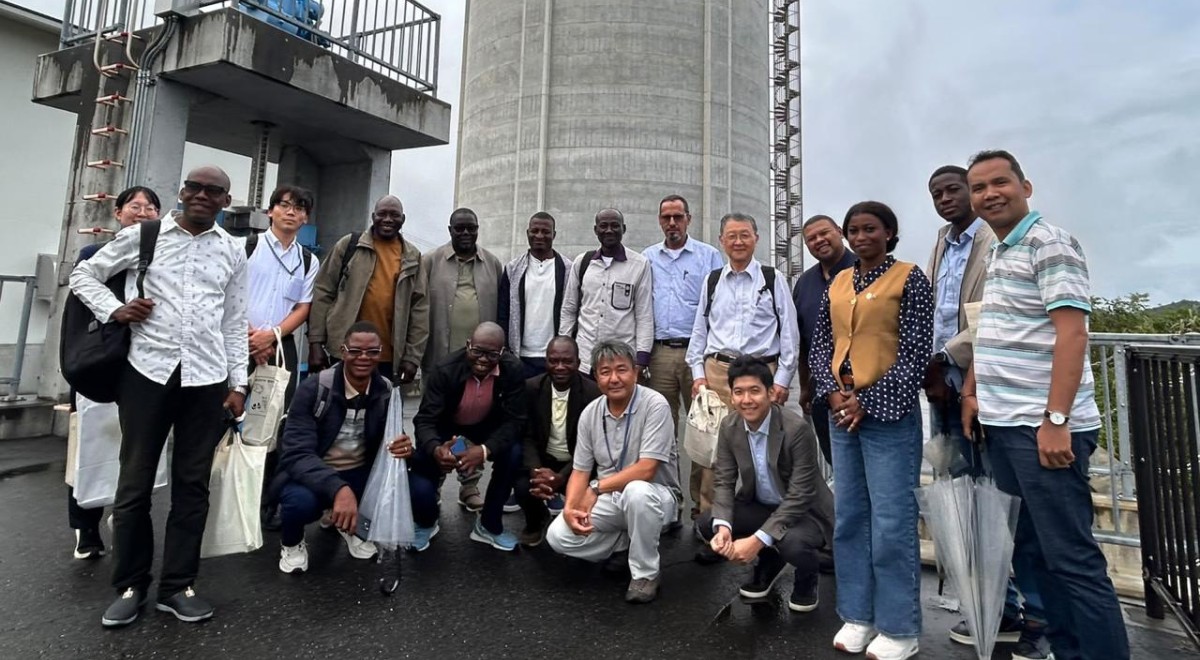
Visit to the Inbanuma Irrigation Scheme (French course)
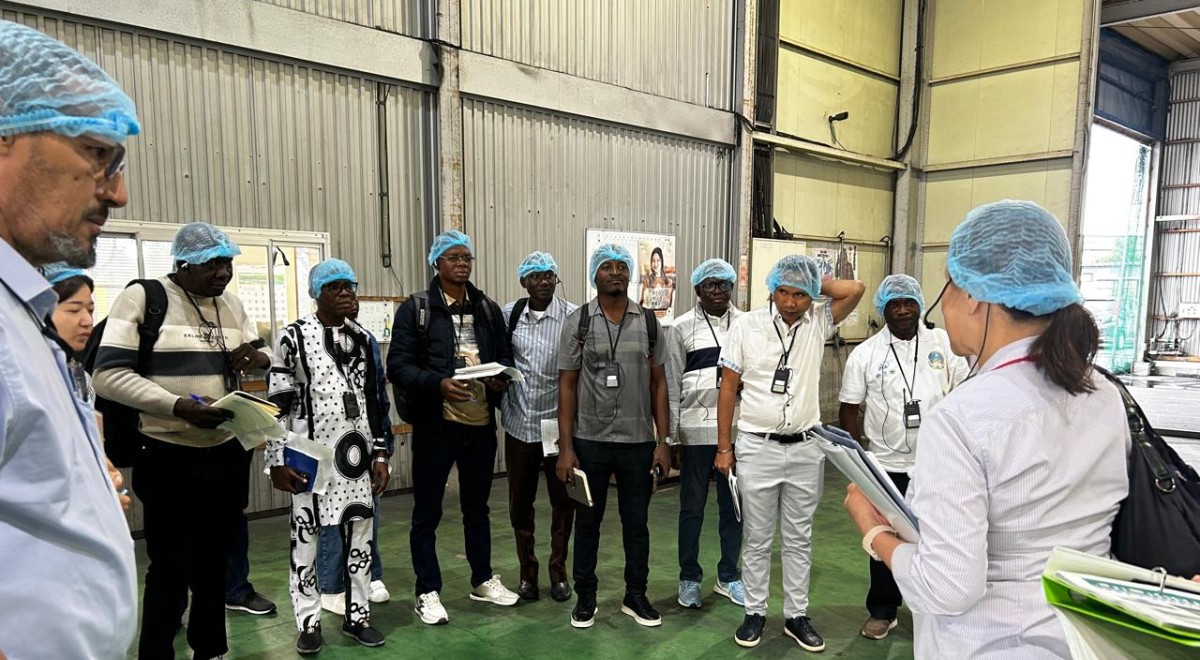
Visit to Tajimaya Co., Ltd. – Post-Harvest Management (French course)
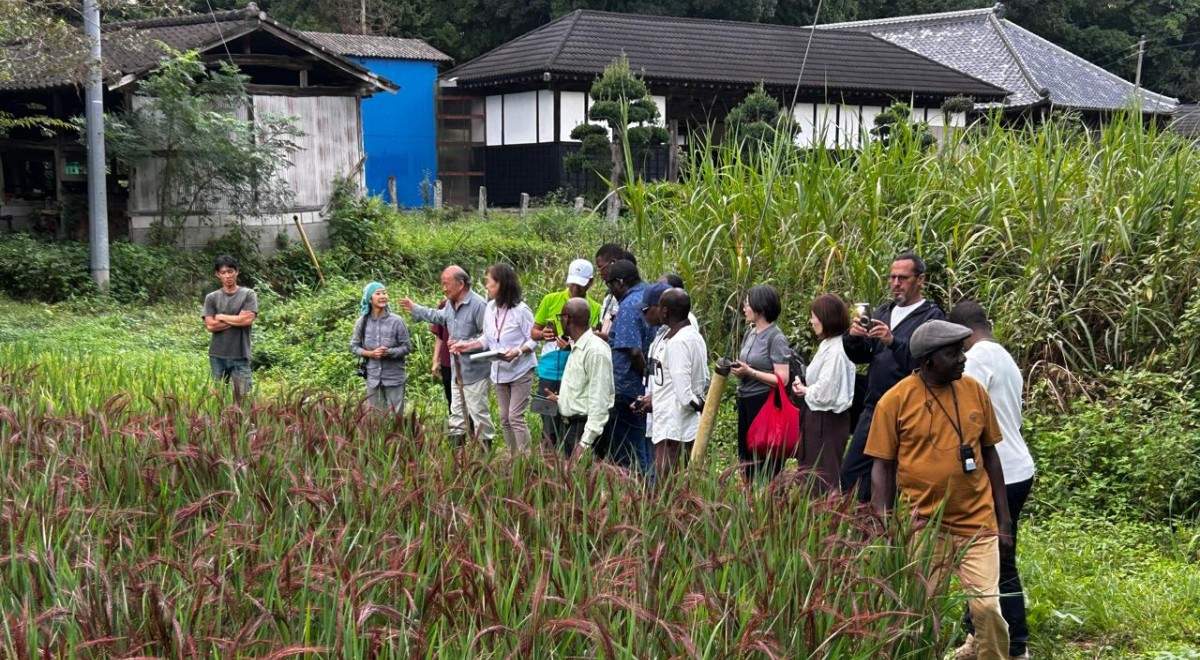
Visit to Yamada Farm – Low-Input Rice Cultivation (French course)
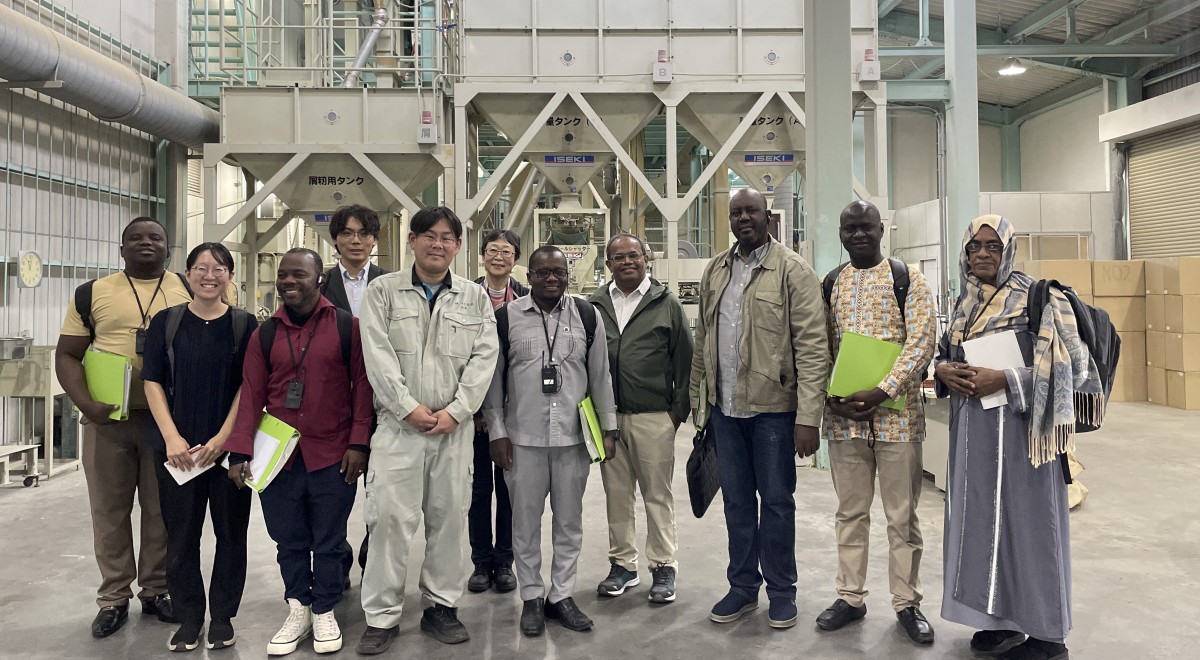
Visit to JICA Tsukuba (English course)
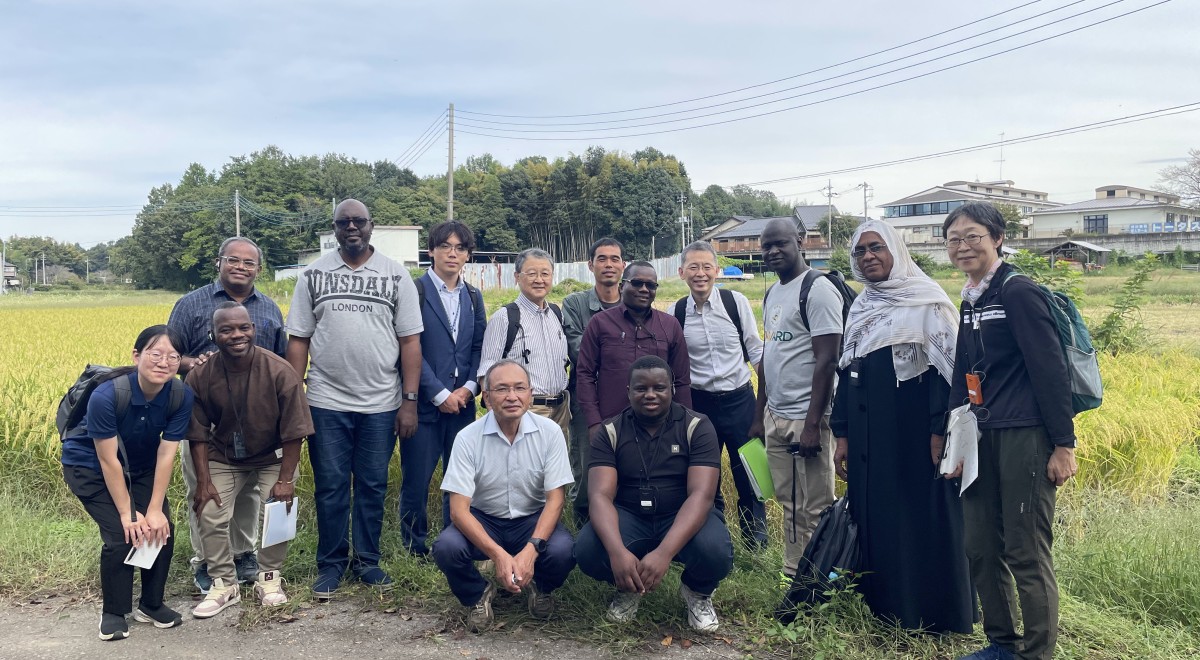
Visit to Yamada Farm – Low-Input Rice Cultivation (English course)