Nigeria, September 2025
Nigeria National Rice Development Strategy – Annual Rice Sector Review Meeting (ARSRM )
Introduction
Nigeria is one of the pioneer countries involved in the Coalition for African Rice Development (CARD) initiative. In alignment with the CARD Monitoring and Evaluation (M&E) framework under the CARD phase 2, the task force members held a preparatory meeting in March 2024 to discuss the necessity of the NRDS kick-off meeting (KOM). This meeting was crucial for preparing for the baseline data collection survey, ensuring that all required processes and methodologies were in place for effective data gathering and analysis. The secondary data collection has been on-going. While collection of secondary data for the overall indicators was successful, collection of the data for the RICE indicators posed a challenge. In consultation with the CARD secretariat the task forc decided to organize the Annual Rice Sector Review Meeting (ARSRM) with the available data.
ARSRM Preparatory Meeting
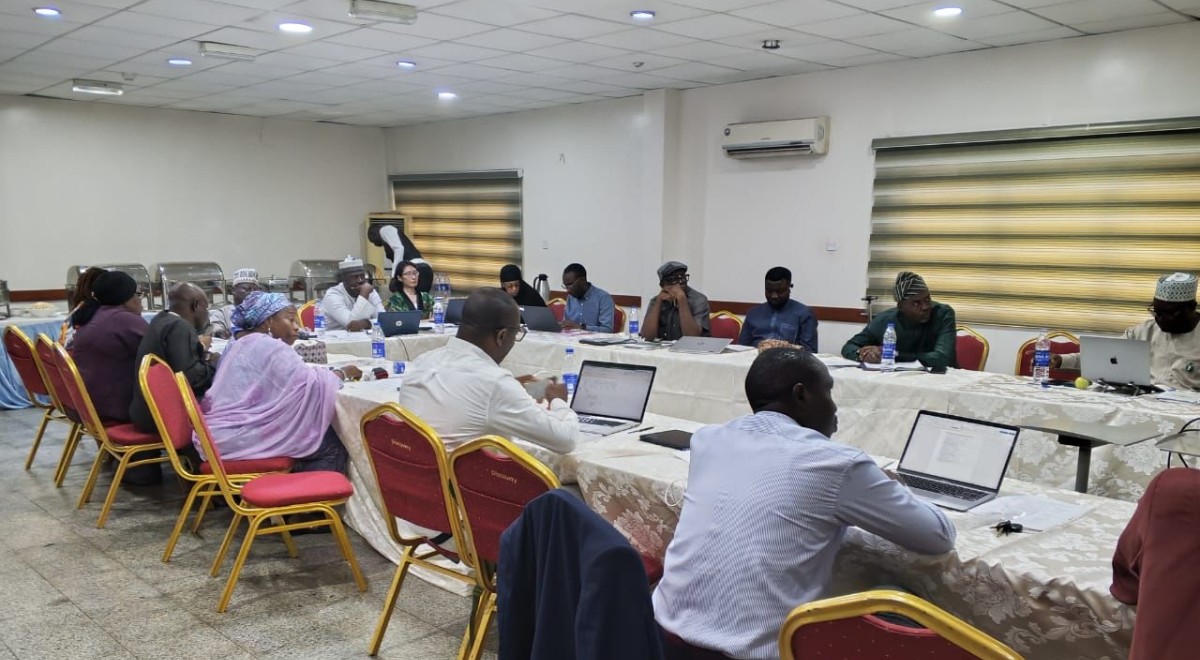
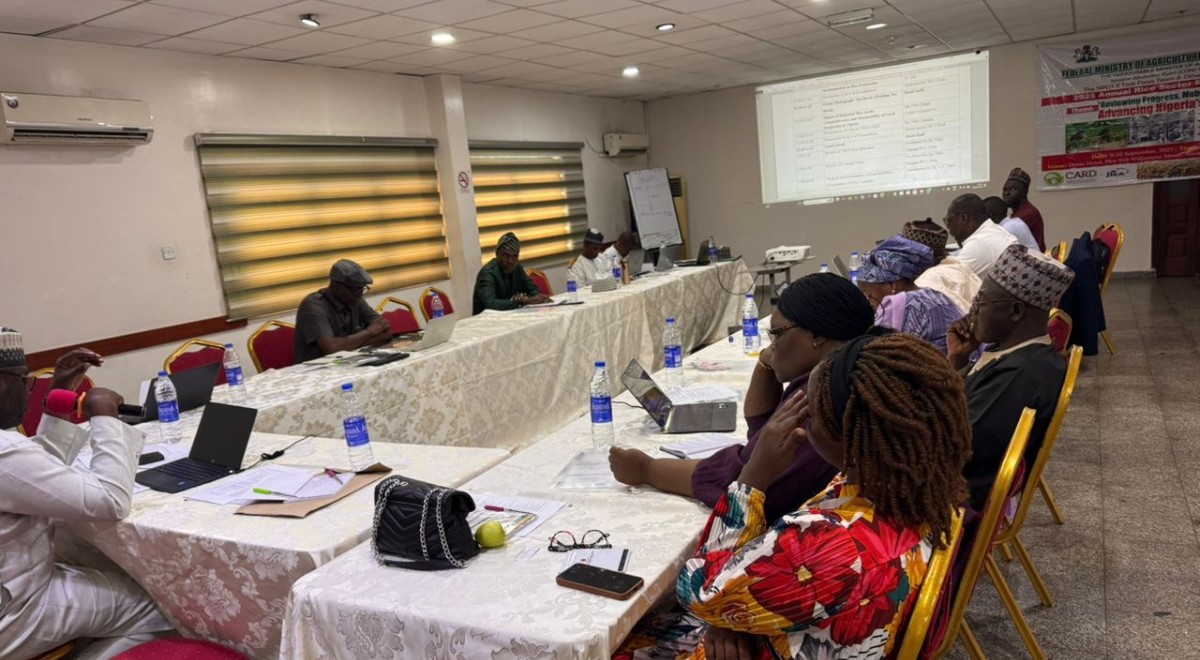
Prior to the ARSRM, the task force members organized a pre-ARSRM meeting on the 9th September 2025. The purpose of the meeting was to discuss and validate the available data, and agree on the modalities for presentation to the stakeholders at the ARSRM. The reporter supported the members in structuring their presentations. The agenda of the ARSRM was discussed and finetuned. During the meeting the reporter presented to the task force members the purpose and expectation of the ARSRM. He explained the four deliverables (M&E data, annual report, gaps in funding and the concept notes). The reporter emphasized that the major objective of the ARSRM was for fund mobilization to implement the already developed concept notes.
Annual Rice Sector Review Meeting
The ARSRM under the theme ‘’Reviewing Progress, Mobilizing Partnership, Advancing Nigeria Rice Sector’’ took place on the 10th September 2025 at the conference hall of Denise Hotel in Abuja, about 40 participants representing the public & private sectors, key development partners present include, GIZ, Africa Rice, AGRA, Sasakawa, Bank of Agriculture, IFAD/VCDP, JICA and farmers organizations.
The rice desk officer of the Federal Ministry of Agriculture and Food Security (FMAFS) who also is the NRDS focal point welcomed participants to the meeting, followed by good will messages from the Director of the Federal Department of Agriculture, JICA representative, General Coordinator of the Coalition for African Development (CARD) and IFAD/VCDP National Program Coordinator. The Permanent Secretary of the FMAFS applauded the significant achievement the country has recorded in rice production since joining the CARD initiative in 2008 especially in total production, area harvested, average yield, improved processing, women and youth engagement. He pointed out that there are 14 concept notes already developed to implement the NRDS out of which only two have attracted funding. He concluded by encouraging the stakeholders to intervene in one or any of the given areas to in order to implement the concept notes.
In his address to declare the ARSRM open the Minister of Budget & National Planning Senator Abubakar Bagudu, pointed out that rice is both a food security and political crop in Nigeria. Over the years the Japanese government through JICA and other stakeholders has supported rice farmers. Finally, he mentioned that organizing the ARSRM at this time is very apt as the government is at the moment about to start to formulate the National Development Plan and that the outcome of this meeting will form a strategic policy guide towards rice sector development.
To kick-start the technical session the NRDS focal point presented an overview of the rice sector by sharing the data collected through the M&E process. According to him paddy production has witnessed a steady increase from 8.4MMT in 2020 to 9.14MMT in 2024. During the same period area harvested increased from 4.39 million hectares to 4.6 million hectares, while yield was more or less stagnant at 2 ton/ha. The national self-sufficiency index stands at 68.95% in 2024 from 66.4% in 2021. Data for Resilience (R), Industrialisation (I), Competitiveness (C) and Empowerment (E) also showed significant progress. He outlined the challenges to include- financing gaps, lack of infrastructural development, and climate change among others. In spite of the outlined challenges there are optimism for the future and opportunities abound for investment these include- several government initiatives, increased mechanization, improved seed varieties and shifting consumer preferences.
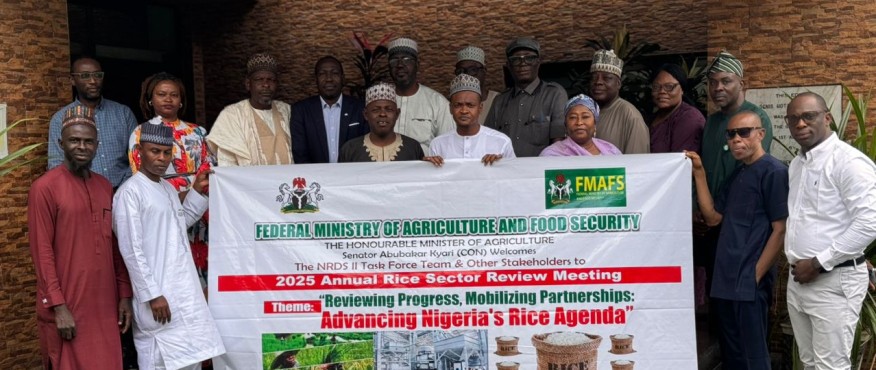
(Group picture of participants the above is with the Minister of Budget & National Planning His Excellency Senator Abubakar Bagudu)
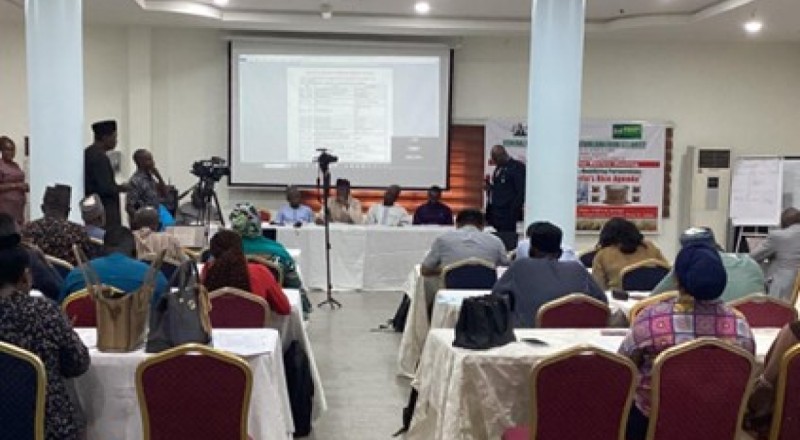
Participants during the Annual Rice Sector Review Meeting
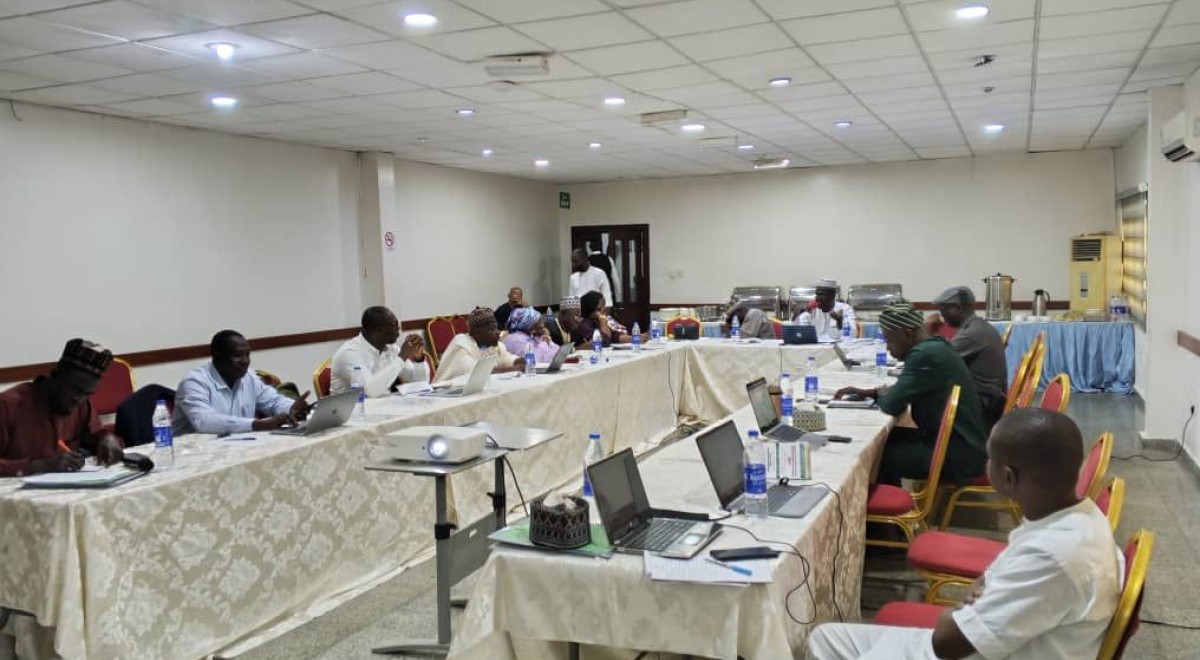
Task force members during the technical session at the ARSRM preparatory meeting