Senegal, November 2025
WORKING WEEK ON THE REVISION OF THE NDRS AND ITS M&E INDICATORS IN SENEGAL
1. Background
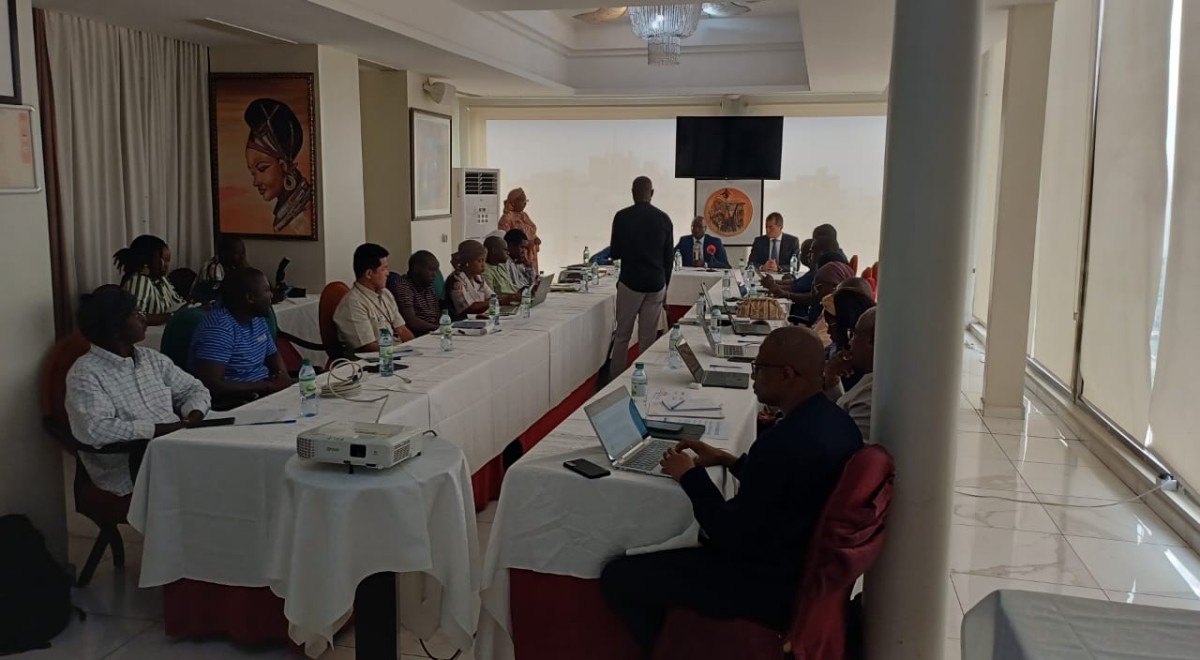
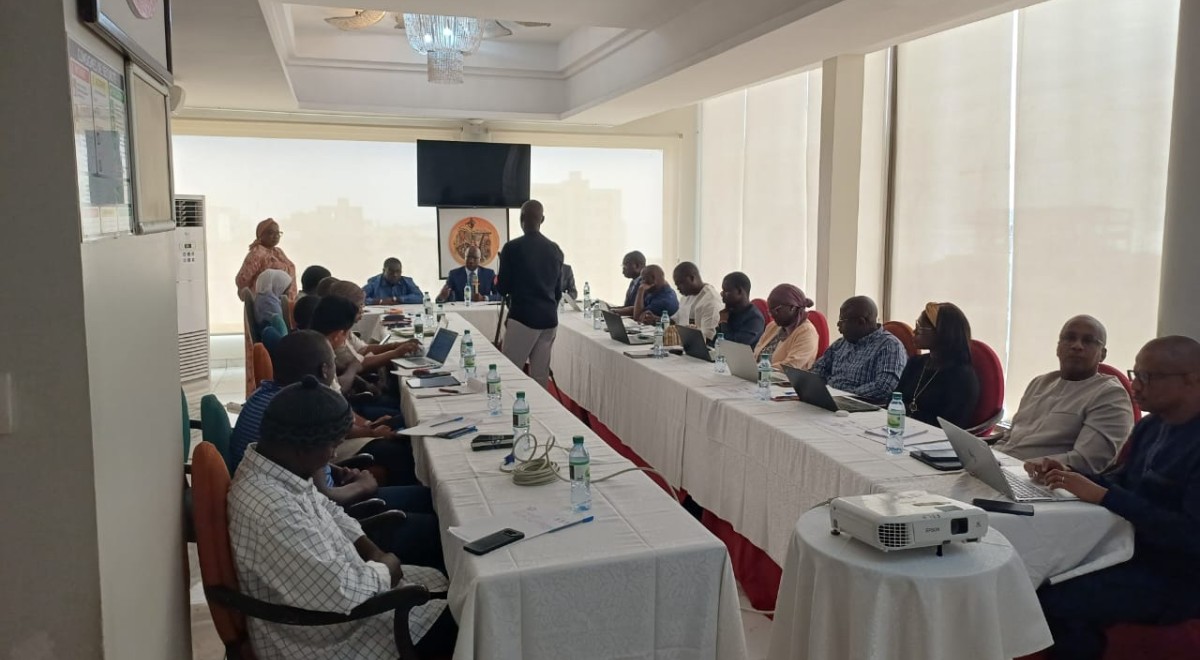
In order to ensure, at the mid-term, that the NRDS is aligned with the orientations of the new authorities, in particular the establishment of community agricultural cooperatives (which should be the spearhead of agricultural policy in Senegal) and also the desire to accelerate the implementation of actions to modernize and intensify the rice sector, a workshop to review the NRDS was held from 10 to 14 November 2025. The revised NRDS 2 will cover the period from 2026 to 2030 with the objective of achieving rice self-sufficiency by 2030, i.e. a production of 3 million tons or more.
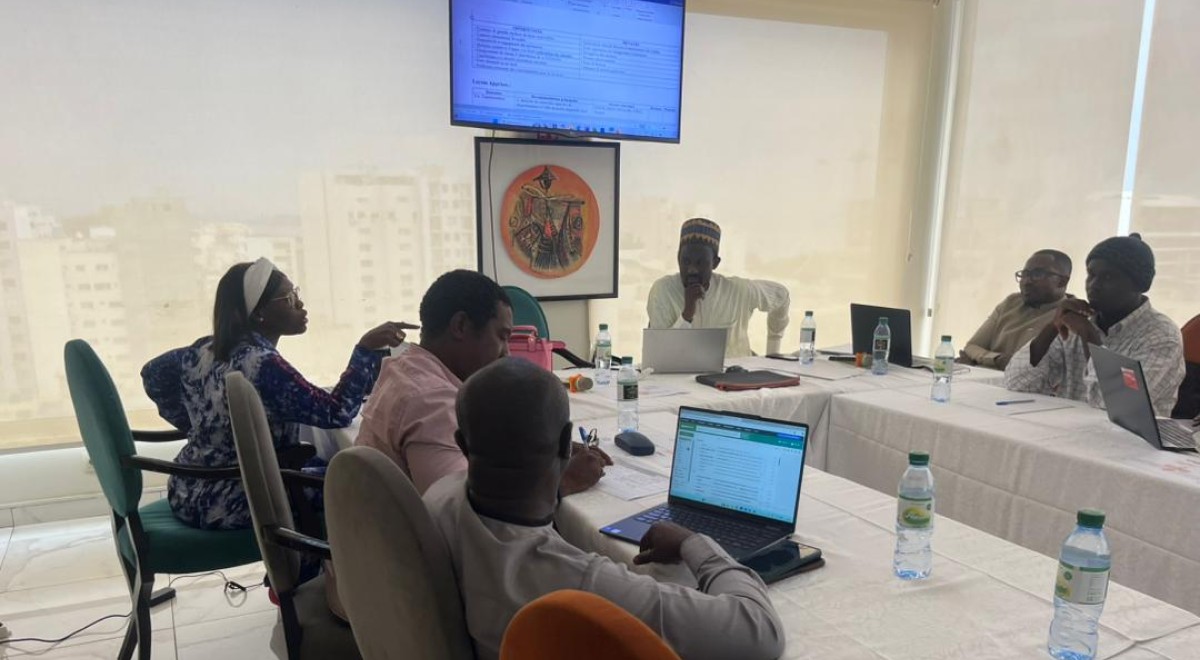
The objective of this workshop was, on the one hand, to conduct the mid-term review of the NSDR2 in order to integrate the vision of the new authorities, in particular the creation of community agricultural cooperatives (CACs) and on the other hand, to ensure the possibility of sustainable monitoring of the NRDS M&E indicators.
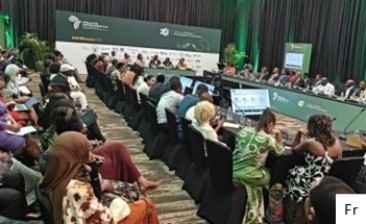
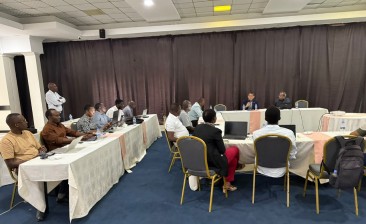
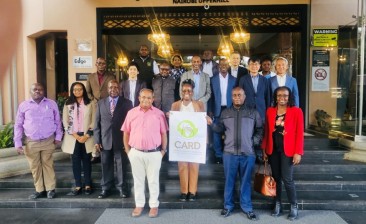
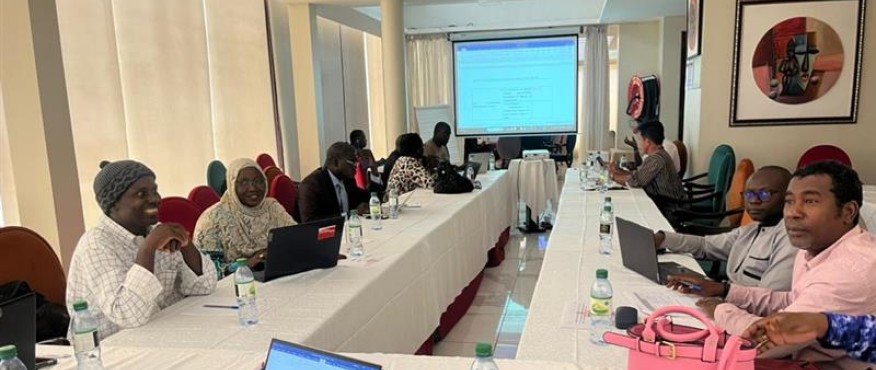
During the working week, the members of the Task Force representing the structures of the Ministry in charge of Agriculture, Finance and Trade, the representatives of producers’ organizations and their inter-branch, the representatives of Civil Society (NGO) the Private Sector and technical and financial partner were present.
2. Methodology
The approach used to carry out the work was, on the one hand, to level knowledge through the sharing of information on the mid-term review of the NRDS and on the indicators used to carry out the monitoring and evaluation of the implementation of the strategy, and on the other hand, on the basis of evidence, to proceed with the revision of both the NRDS and the indicators.
3. Key results of the working week
- The Minister’s policy
During the working week, the Senegalese Minister of Agriculture insisted on the need for an ambitious and pragmatic revision of the NRDS. He said that the SNDR, developed with the support of the CARD, is a strategic instrument of the national rice development policy. It is an essential document identifying the needs of the entire rice value chain and planning production for a decade. Priorities identified include:
- The implementation of a certified seed strategy,
- Increased investment in irrigation, production infrastructure and support for producers;
- Accelerating mechanization, favoring private service models such as Uber Tractor or Hello Tractor, rather than public distribution of tractors;
- The formalization and organization of producers via the CACs and
- The attractiveness of the sector for greater involvement of the private sector, an essential condition for achieving rice self-sufficiency.
The Minister also stressed the need for international benchmarking, especially with countries such as Vietnam; the importance of establishing standardized operational accounts (0.5 ha, 1 ha) to identify levers to support small producers and the need to implement a green tariff, in partnership with the Ministry of Energy, in order to reduce the cost of electricity in irrigated areas.
- 3 million tons of paddy toward 2030
To give substance to these guidelines, a presentation of the SNDR was made followed by a presentation on the achievements of the PNAR. It was indicated during these various presentations that the production and surface area objectives have been achieved over the last four years. However, he indicated that an effort should be made to improve yields and promote double cropping. On this basis, a revision of the SNDR was made taking into account the need to achieve the objective of rice self-sufficiency by 2030, knowing that at the halfway point Senegal is at nearly 50% of this objective (production of 3 million tons of paddy.
Following this, the SNDR indicators were updated to ensure that they could be monitored at a lower cost. Based on this revision, the participants undertook to provide DAPSA (the structure in charge of agricultural statistics) with the data in accordance with the deadlines set out in each indicator sheet.
4. Way forward
At the end of the work, while thanking the partners, the representative of the Minister of Agriculture and NRDS Focal Point, Dr. Waly Diouf, praised the quality of the work of the participants during the five days and recalled the importance of continuing the process until the finalization of the revised NRDS.
He reaffirmed the Ministry’s commitment to ensure the continuity of work to achieve a fully operational strategy, aligned with national food sovereignty priorities. He also indicated that the DAPSA team will carry out the final work of consolidating the document before the Cabinet of the Ministry of Agriculture (PNAR) takes charge of the correction and finalization of the stabilized version. He called on partners, including JICA and CARD, to support the printing of the revised NRDS outcome document with a view to transmitting it to all stakeholders as well as the representative of the Ministries in charge of Economy, Planning, Cooperation, Finance and Budget, so that these ministries support the efforts to mobilize the financing needed to implement the strategy.
At the end of the discussions, it was agreed that, during the period from November 2025 to the end of March 2026, Senegal should finalize the revised NRDS as well as the concept notes of the NRDS. During the same period, Senegal will organize the second national rice conference.