Kenya, November 2025
Kenya’s Annual Rice Sector Review Meeting
Kenya has prioritized rice as one of the strategically important staple food crops under its long-term Agriculture Sector Transformation and Growth Strategy (ASTGS; 2018-2028). In alignment with ASTGS; the Government of Kenya (GOK) has formulated National Rice Development Strategy (NRDS-2; 2019-2030), which aims to increase domestic milled rice production by 7-fold from 128,000 tons in 2019 to 846,000 tons by 2030. To achieve this target, the GOK, county governments, development partners, non-government organizations and private stakeholders in the rice industry have been investing several resources that shall enhance the efficiency of the rice value chain.
National Rice Technical Committee (NRTC), the taskforce that oversees the implementation of the NRDS-2 (also referred to as NRDS TF) have established a Monitoring & Evaluation (M&E) framework through which progress made on implementing the NRDS-2 can be tracked on an annual basis. It involves collection of information (data) on 4 overall (O) indicators and 2 indicators each for assessing resilience (R), industrialization (I), competitiveness (C) and empowerment (E) along the rice value chain, and retail price of rice in local markets (P).
The NRDS TF members had earlier divided the tasks of data collection on these indicators, by mainly using secondary sources, among themselves for assessing the progress on rice value chain development during 2024-25. The collected data were validated internally by the NRDS TF members on 3rd October 2025. Upon confirmation and consolidation of the collected data; the NRDS TF members requested CARD Secretariat to help organize Annual Rice Sector Review Meeting (ARSRM) for 2025 in Nairobi. This report briefly summarizes the key outputs from the ARSRM and additionally includes notes from the discussions held between CARD Secretariat and Steering Committee members such as International Rice Research Institution (IRRI) and World Food Program (WFP) on resource mobilization for rice sector development in Kenya and the Eastern African region.
Outputs from Kenya’s 2nd ARSRM
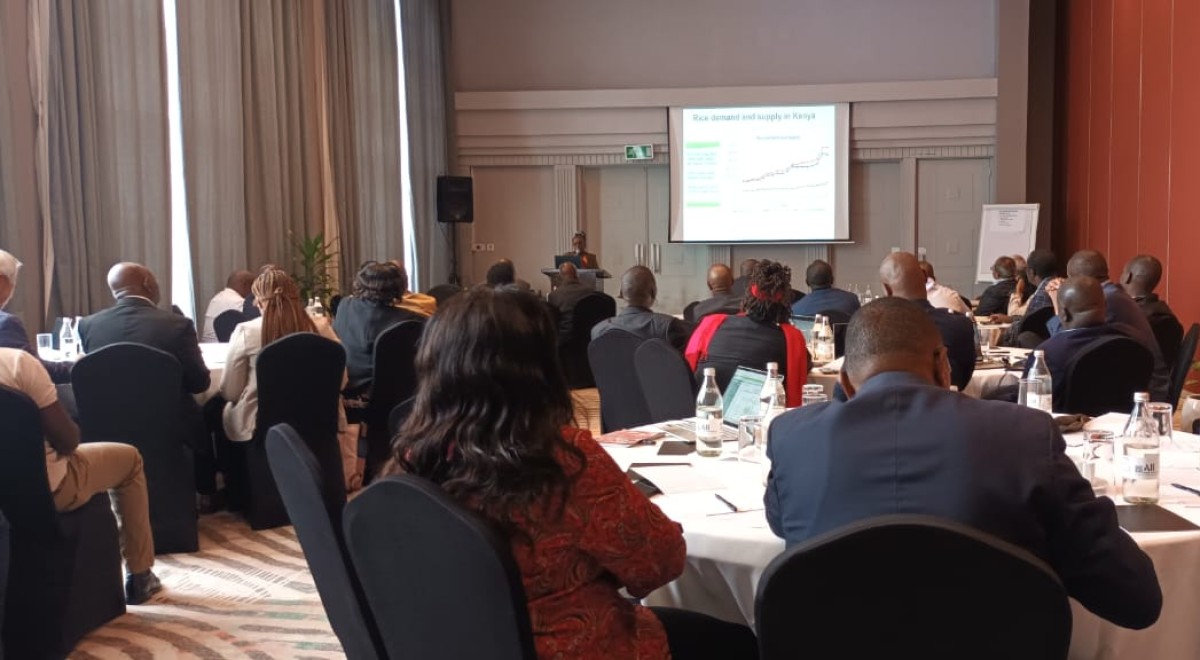
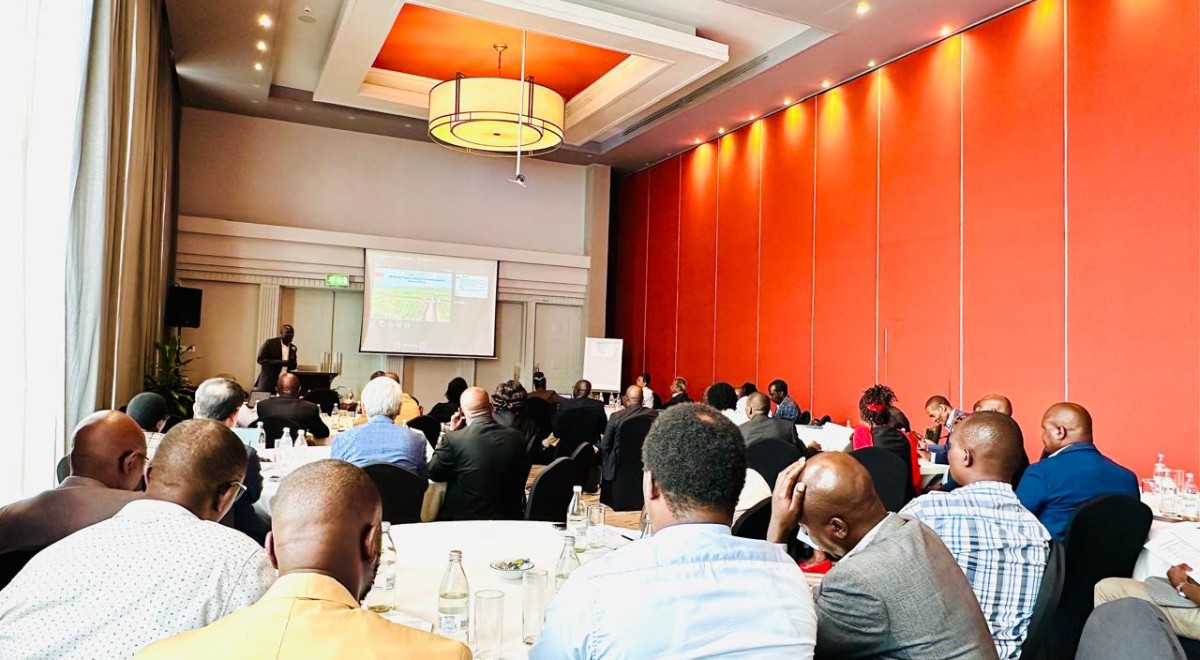
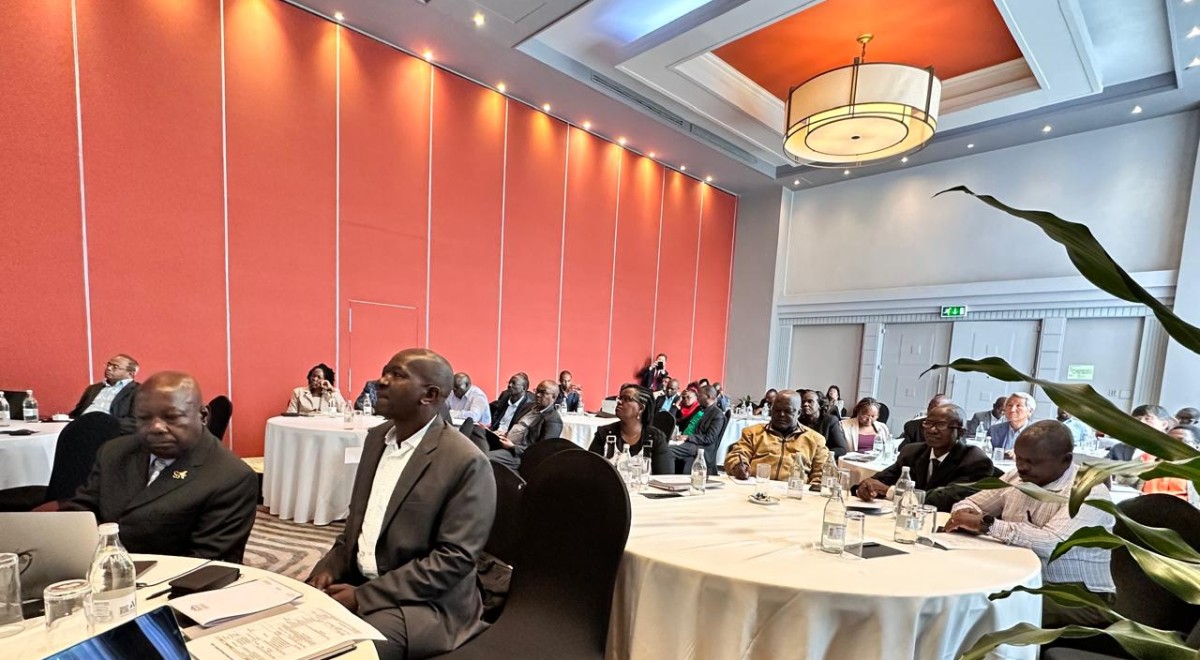
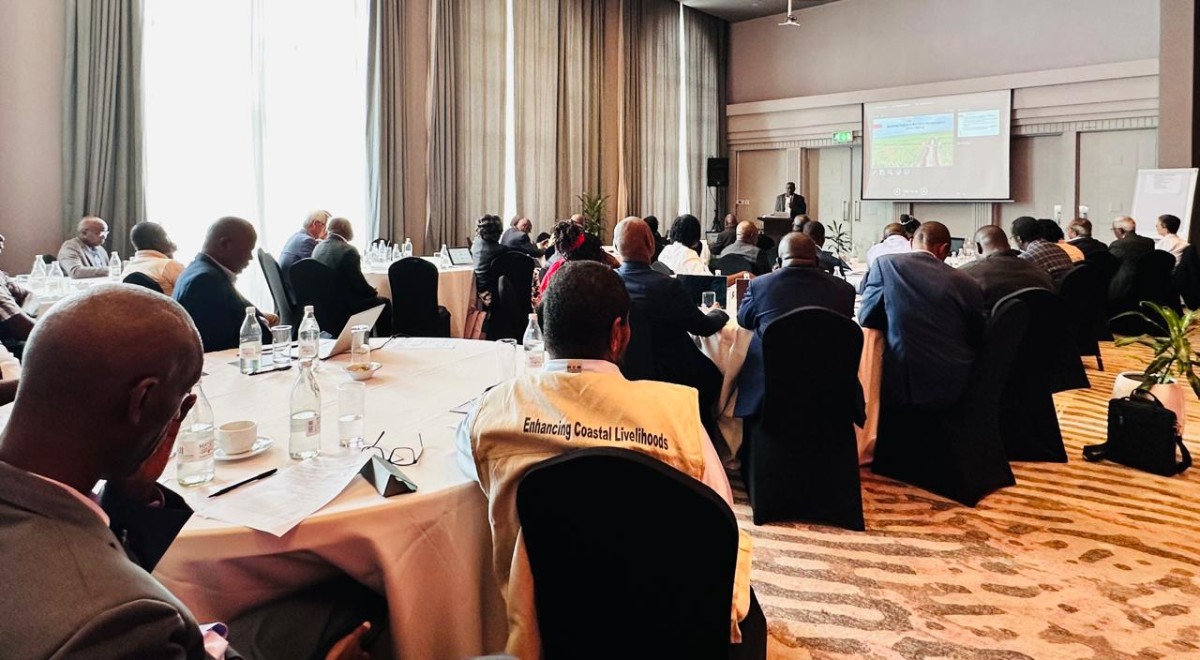
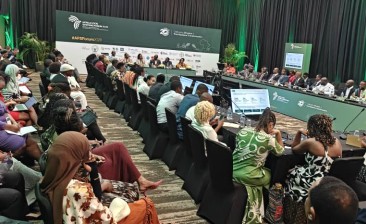
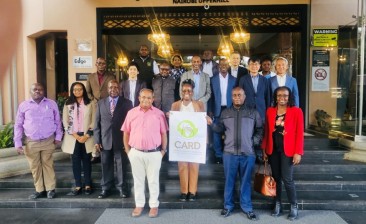
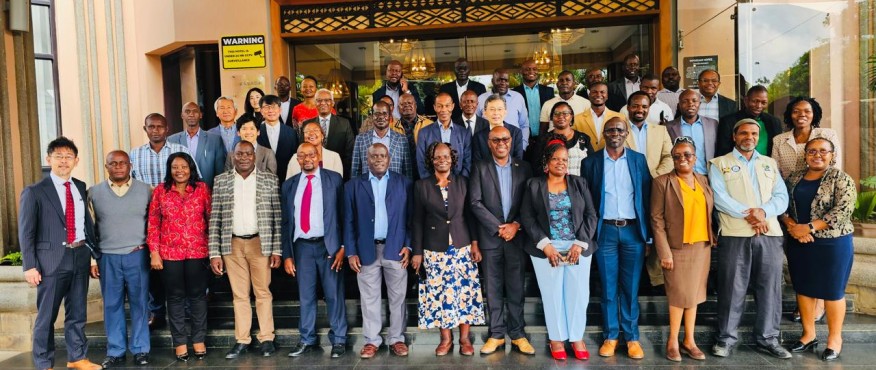
With technical and financial support from CARD, the NRDS TF organized Kenya’s second ARSRM in Nairobi on Thursday, the 27th of November 2025. About 56 participants representing federal government, county governments, rice grower associations, development partners, research organizations, private sector, NRDS TF members and CARD Secretariat attended the ARSRM. The participants received hard copies of (a) Annual Report (2025) and (b) project concept notes that could further accelerate the implementation of the NRDS-2. On behalf of the Principal Secretary, Ministry of Agriculture and Livestock; Mr. Leonard Kubok made a keynote speech and officially opened the meeting.
In his opening remarks, Mr. Kubok appreciated a fast-growing investment from the private sector in rice industry, especially on mechanization, processing, agro-dealership in rice-growing areas. He assured the stakeholders that the Government of Kenya (GoK) will continue to focus on expanding area under rice cultivation, facilitating access to inputs through subsidy and other interventions and providing training to extension professionals and rice farmers across the country. He expressed confidence that the deliberations at the ARSRM will help government and development partners identify emerging challenges and opportunities for further participation of the private sector and development partners in rice industry.
On behalf of the NRDS TF; Dr. Mary Mutembei (NRDS Focal point) provided an overview of the key strategies for rice sector development in Kenya and updated the stakeholders with information on current interventions along the rice value chain. She highlighted the importance of scaling up milling activities in expanding area under upland rice production environments and emphasized on entrepreneurship for rice byproduct utilization and value addition.
Dr. Wilson Oyange (NRDS TF member) described the M&E framework for assessing the progress under NRDS implementation, and shared the data obtained for the rice production year 2024-25 for each of the M&E indicators with the stakeholders. By graphically illustrating the changes over the baseline data and previous year’s (2023-24) data; Dr. Oyange urged the stakeholders emphasized the need for intensifying certified seed production of the high-yielding and climate-resilient rice varieties, on-farm mechanization, postharvest handling, processing and training of farmers and extension agents.
Prof. John Onyango (NRTC Chairman) in his speech revealed the gaps in funding for rice sector development. Using subsector intervention element matrix (SIEM), he depicted how the gaps between the on-going interventions and the needs of the NRDS-2 were determined. Based on the gap analyses, Prof. Onyango revealed how the NRDS TF members identified the priorities and framed new project ideas (concept notes) that could help realize the targets set under the NRDS-2. Prof. Onyango called on the county governments, GOK, development partners and private sector to contribute their resources and participate in execution of the proposed project concept notes.
During the plenary discussions, the stakeholders deliberated on the emerging challenges and opportunities in rice sector in Kenya. Key messages for the NRDS TF from the stakeholders are highlighted below: –
- Guide the farmers in reducing greenhouse gas (GHG) emission from rice cultivation and validate potential mitigation measures such as Alternate Wetting and Drying (AWD) of paddy fields, rationing of water distribution in irrigation schemes, and appropriate application of fertilizers in root zones
- Scale up community-based irrigation schemes, build technical capacities of smallholder rice farmers, and facilitate new rice cooperatives through rice platforms
- Scrutinize the causes for under-utilization of rice milling capacities and explore appropriate policy measures such as improving financial capacities (cash liquidity) of the millers, warehouse receipt system (WRS) and strengthening linkages between farmer cooperatives and the millers
- Improve competitiveness of smallholder rice farmers by reducing costs of production and orienting varietal choices in accordance with consumer preferences
- Promote soil health through organic manures, farm mechanization and youth’s participation in rice value chain enterprises
In his closing remarks, Mr. Amameishi Shinjiro (General Coordinator, CARD) urged the stakeholders to deepen collaboration and increase resource allocation for boosting rice production in Kenya as envisaged under the NRDS.
Discussions with WFP and IRRI
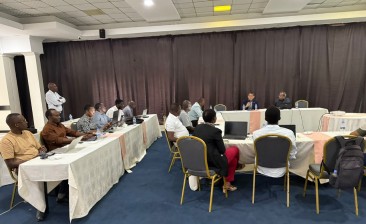
WFP promotes rice production in CARD member countries by encouraging procurement of rice from smallholder farmers through its food assistance program. To improve mobilization of resources for rice sector development in CARD member countries, CARD Secretariat held discussions with Partnerships officers, Eastern and Southern Africa and Kenya, and Program Officers of Eastern and Southern Africa, Tanzania and Ethiopia at WFP Regional Office in Nairobi. Importance of rice development under the CARD initiative and WFP were exchanged. Possible avenues for partnerships between WFP, CARD and Country governments were discussed. It was agreed that CARD Secretariat will facilitate increased participation of WFP in NRDS implementation in CARD member countries, by engaging WFP personnel from country and regional offices with relevant NRDS Focal Points and EAC Rice Platform.
Discussions with IRRI Regional Director was held on the sidelines of the ARSRM event, with a focus on exploring the possibilities of resource mobilization for concept notes developed by CARD member countries and EAC Rice Platform. The Regional Director agreed to review the concept notes shared by General Coordinator of CARD, and confirmed its willingness to join the proposed EAC training project as technical partner. He also proposed Islamic Development Bank (IsDB), Forum for Agricultural Research in Africa (FARA), Organization of the Petroleum Exporting Countries (OPEC) and Qatar Funds are possible sources of funding EAC’s regional training activities.
Way Forward
The NRDS TF members agreed to carefully look into the emerging concerns and suggestions from the stakeholders and capture them appropriately while reviewing the NRDS’ project concept notes next fiscal year (2026-2027). In association with Kenya’s NRDS Focal point Dr. Mary Mutembei, the CARD and EAC Secretariats will approach development partners (WFP, IsDB, OPEC and Qatar Funds) and regional research organizations (IRRI and FARA) for mobilizing funds for executing the project concept notes in January 2026.