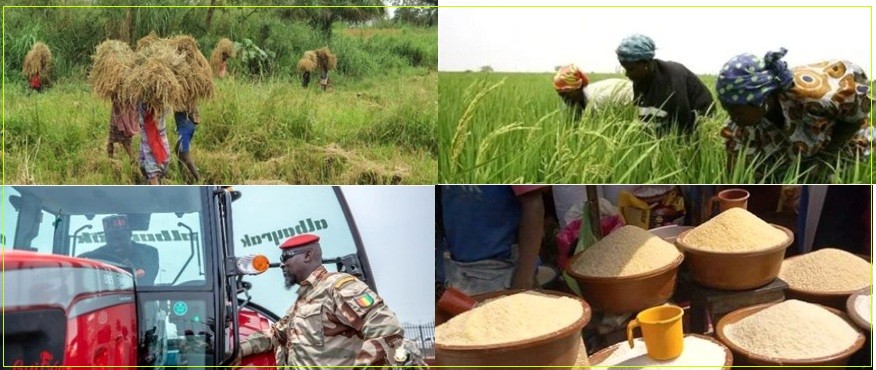
Guinea, January 2026
Interview with the NRDS Focal Point of Guinea
A Move Towards Sustainable Rice cultivation for a Prosperous Guinea
Rice, an ancient tradition, a strategic issue
Rice cultivation in Guinea has deep roots in the country’s agricultural history. Guinea is one of the regions of origin and expansion of Oryza glaberrima, the traditional African rice. Thus, since the 1960s and 1980s, rice has established itself as the main national food crop, becoming a central element of food security. Today, rice remains a key pillar of Guinea’s food system.
Rice, the undisputed leader among cereal crops
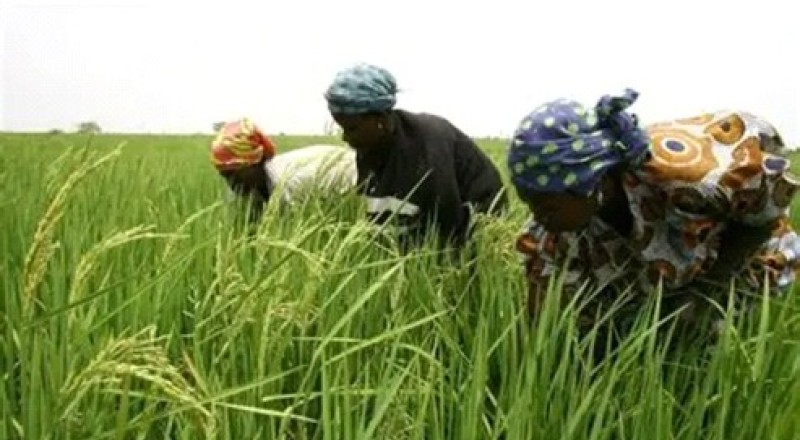
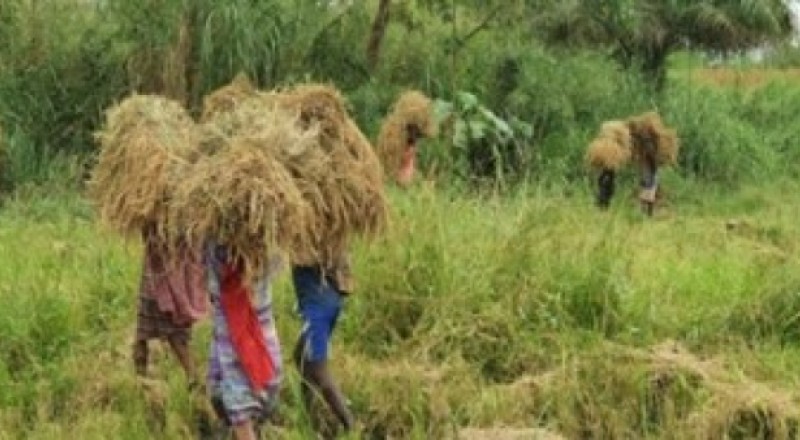
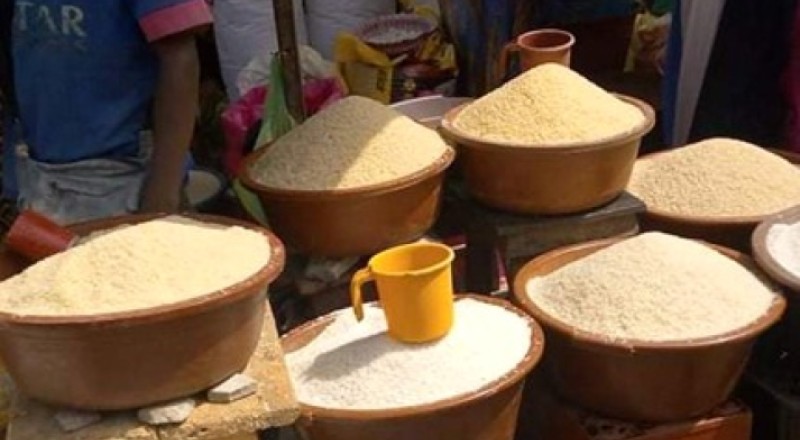
Rice occupies a prominent place in the daily lives of Guineans. It is the leading food crop in terms of cultivated area, labor mobilized and production volume. Grown in all regions of the country, including Lower Guinea, Middle Guinea, Upper Guinea and the Forest. Rice is also a major source of income for rural households. The marketing of rice allows them to cover their food, clothing, schooling, and other essential needs.
Production is growing, but still insufficient to meet demand
Between 2005 and 2023, the area under cultivation increased modestly, from 1,483,148 hectares to 1,605,962 hectares, an increase of only 8%. This stagnation is explained by challenges such as low soil fertility, excessive grass cover, limited access to inputs and factors of production. Production increased by 72%, from about 1.5 million to 2.57 million tons. However, the average yield remains low, about 1.6 tons per hectare, way below the African and global average, which hovers around 2 t/ha and 4 to 5 tons/ha, respectively. To improve the stagnant rice productivity, the government is promoting subsidies to enhance access to inputs Domestic consumption, estimated at 115 kg per capita per year, is not yet met by local production, forcing Guinea to import approximately 800,000 tons of rice annually to close the gap.
Major challenges and opportunities
Despite sustained efforts by the authorities, the rice sector faces many obstacles: insufficient irrigation schemes, lack of quality rural roads in order to connect the production and commercialization areas, difficult access to inputs, limited mechanization, inadequate financing and a lack of qualified human resources within the Agricultural Research Institute (IRAG). Logistics is also a brake on the innovation needed to revive the sector.
Nevertheless, Guinea has vast agricultural land, including plains and developable areas, offering considerable potential for irrigated or rainfed rice cultivation. The Guinean consumer’s preference for local rice is also an opportunity to be exploited, thus promoting the development of competitive national production.
Substitution of imported rice: a challenge to be met
Although domestic demand for rice is increasing, consumer preference for local rice remains strong, especially in urban areas where consumption of imported rice remains high. Several initiatives, supported by the State and international partners, such as the Rice Value Chain Development Program, the Project for the Promotion of Rice Production and Marketing in Lower Guinea, and SARITEM (Rice farming system in mangrove ecology) have been launched to strengthen local production. However, the sector’s ability to meet demand remains limited, still offering an important market for imports.
The contribution of the CARD: a lever for self-sufficiency
The partnership with the CARD is a major asset to strengthen the sector. The CARD contributes to the improvement of the technical capacities of actors, through training, workshops, expert missions, and exchanges between countries. It also supports the development of the National Rice Development Strategy (NRDS), which aims to structure the rice value chain in production, processing, and marketing to stimulate rice self-sufficiency.
Looking ahead, it is crucial that Guinea, in support of the CARD, intensifies its efforts for the effective implementation of the NRDS, which could be the key to achieving food sovereignty in Sub-Saharan Africa. This support must also include the training of ministry executives, researchers, extension workers, and farmers’ organizations, as well as the mobilization of the necessary funding.
Way forward and ongoing measures
Guinea undeniably has considerable potential to strengthen its rice sector, provided that it overcomes the many challenges that hinder its growth. Political will, supported by national and international initiatives, including CARD, opens up promising prospects for more efficient, sustainable and self-sufficient rice cultivation.
However, the success of this ambition depends on collective mobilization: modernization of infrastructure, training of actors, increased access to inputs and financing, as well as increased involvement of the private sector. By investing in these key areas, Guinea will not only be able to meet its domestic demand but also enhance its agricultural potential for sustainable prosperity.
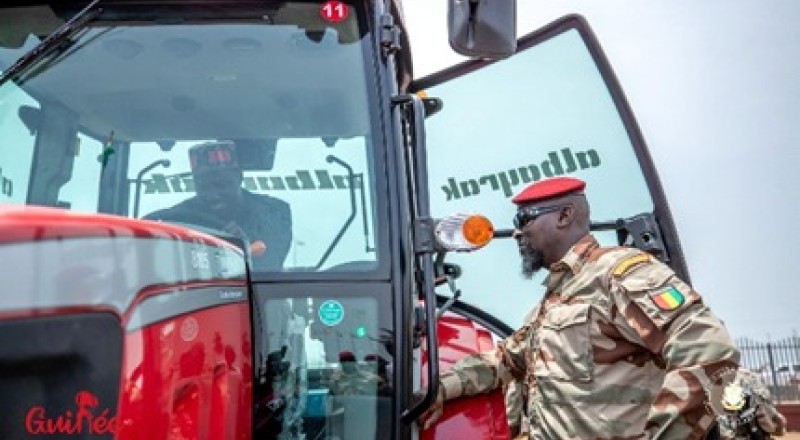
It is in this sense that the ambitious measures taken by the Government are aimed at: (i) increasing investment in the improvement of hydro-agricultural infrastructure and subsidies for access to inputs and equipment, and (ii) increasing the involvement of the private sector, particularly importers, in the production and marketing of local rice. These measures are reflected in concept notes already drawn up through the prism of the diversity of production systems according to ecologies (upland, irrigated, lowlands, mangroves, etc.). All these measures are aimed at the sustainable promotion of the rice sector and, above all, the achievement of the objectives set out in the current NRDS.