Kenya, August 2026
Workshop on Monitoring & Evaluation of NRDS-2 in Kenya
Rice is the second most important staple cereal, after maize. Second National Rice Development Strategy (NRDS-2) aims to increase milled production in Kenya from 128,000 tons in 2018 to 846,000 tons by 2030. Key strategies for achieving the target includes building resilience (R) in domestic production and supply, promoting industrialization (I) of value chain activities, increasing competitiveness (C) of the locally produced rice over imported rice from Asia, and empowering (E) the stakeholders involved in domestic rice production.
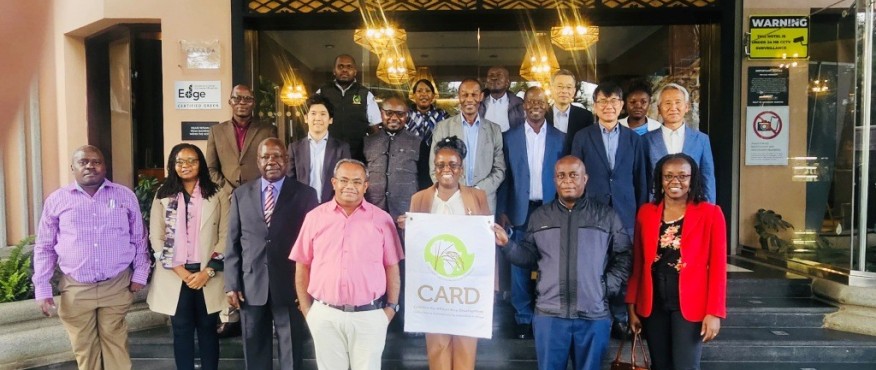
Government of Kenya (GoK) has established a taskforce for overseeing implementation of the NRDS-2 (NRDS-TF) under the guidance of National Rice Technical Committee (NRTC). Head of Rice Promotion Program (RIPP) under the Ministry of Agriculture and Livestock Development (MoALD) serves as the focal point for the NRDS process in Kenya. The NRDS-TF requested Japan International Cooperation Agency (JICA) in Kenya to support organizing a 2-day workshop for kick-starting the monitoring and evaluation (M&E) process for the year 2026-27 and a round-table discussion with development partners.
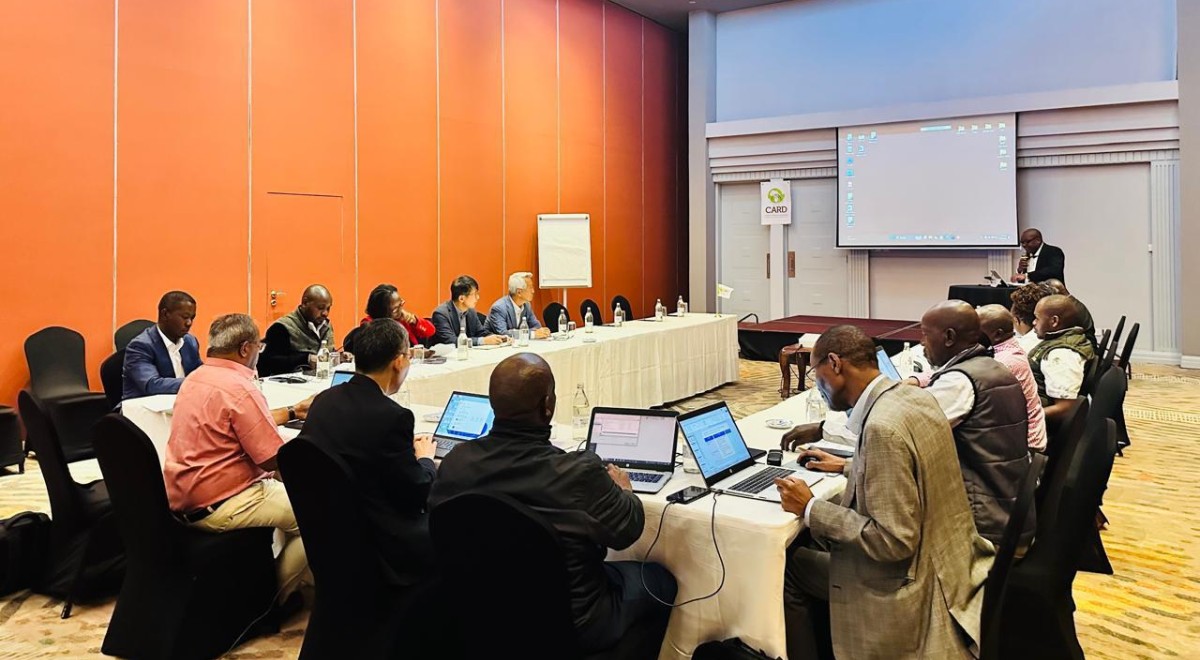
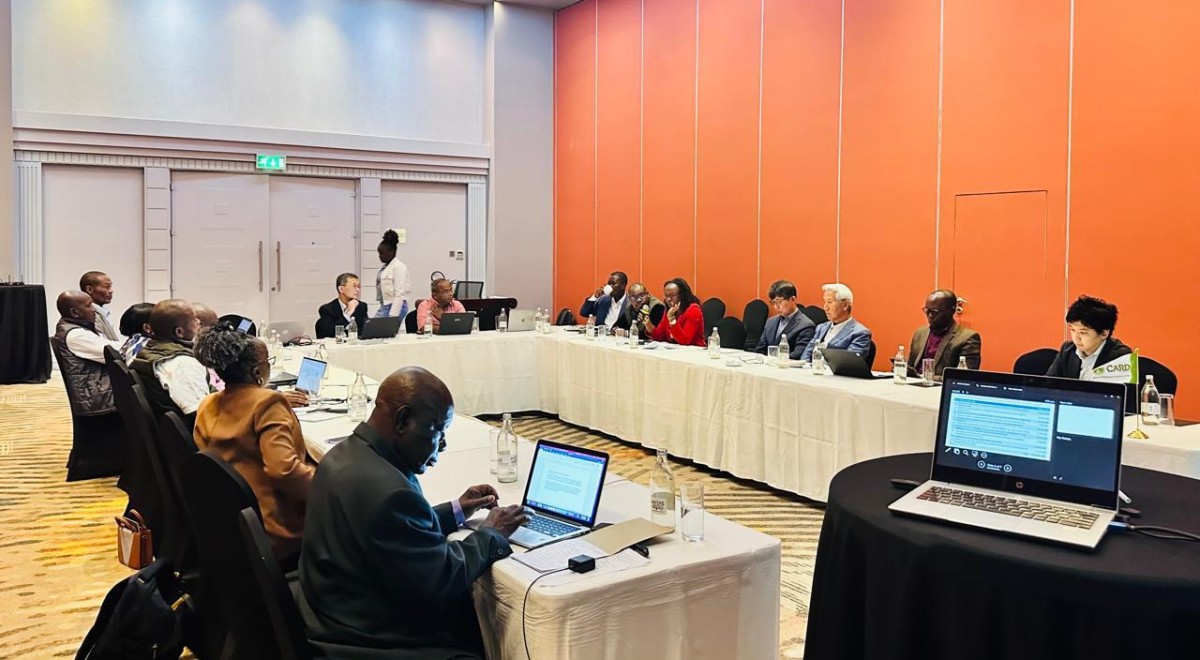
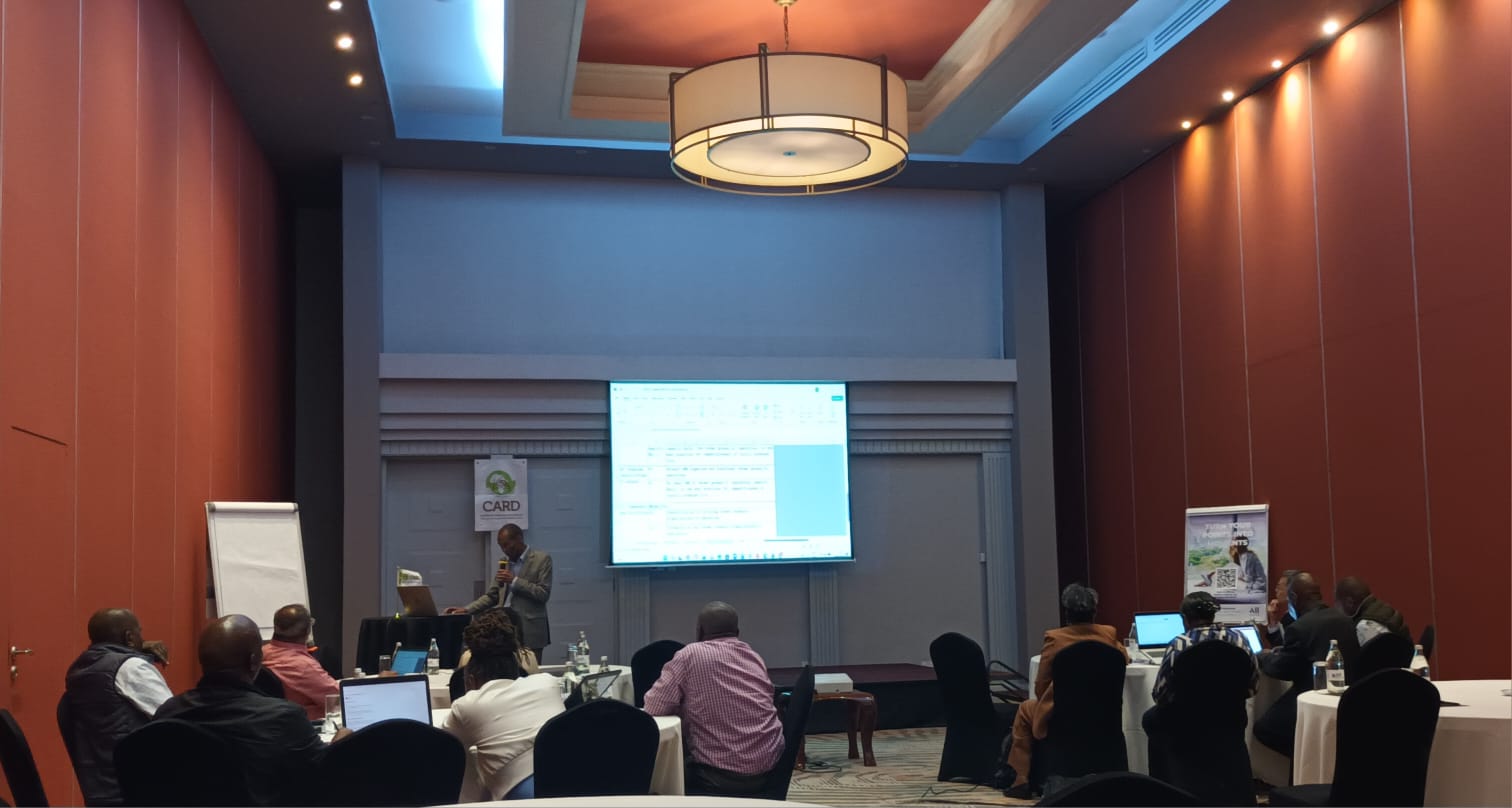
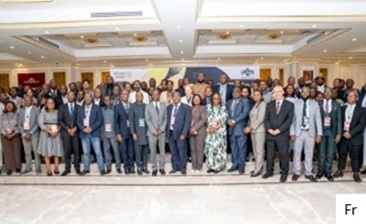
The first day (29-July 2026) of the workshop was organized at the conference hall in the JICA office and the second day (30-July 2026) of the workshop was organized at Pullman Hotel in Nairobi. The reporter provided technical support to the NRDS-TF and facilitated interactions with the development partners. This report summarizes key outputs from workshop activities.
Kick off meeting on M&E in Kenya
Key objectives of the workshop are to (i) initiate the collection of data under the various M&E indicators that track progress made in overall development and R.I.C.E components, and (ii) mobilize more resources for the rice value chain development in Kenya by directly engaging the development partners
Key outputs from the meeting
Based on the lessons learnt from the experience in collecting data in 2025; the NRDS-TF reviewed the M&E indicators, methodologies and sources of data collection, and assigned responsibilities of collecting data to different members. Where available, the NRDS-TF members also shared data that are already accessible from the secondary sources. The NRDS-TF members also analyzed the gaps in investments in rice value chain by using Subsector Intervention Element Matrix (SIEM). By updating the information on new rice-related projects (SIEM-Supply) and updating the emerging challenges in rice value chain (needs), the taskforce members were able to identify the gaps and prioritize most important binding constraints in rice sector development in the country.
CARD Secretariat in collaboration with AGRA is planning to identify seed systems and mechanization as two most-binding constraints for which new resources could be mobilized. In this context, the NRDS-TF member identified the following as the 5 most important binding constraints: –
- Seed system
- Mechanization (Adaptive Research, Capacity building across the rice value chain)
- Extension in water management (esp. in irrigated ecosystem), agronomic practices (in all ecosystems – with most pressing need under RF ecosystem)
- Private investments in milling sub-sector in RF areas (and irrigation infrastructures and schemes)
- New irrigation schemes for expansion of rice area, through public and private partnerships
During the 2nd Annual Rice Sector Review Meeting (ARSRM), the stakeholders made several emerging issues which should be addressed through the NRDS-2 implementation. These topics included the following: –
- Green House Gas (GHG) reduction from paddy cultivation
- Scaling up of Community-based irrigation schemes
- Reducing costs of production
- Promotion of soil health
- Scrutinization of under-utilization of milling capacities
- Addressing concerns on ‘paddy movements across borders’
The NRDS-TF members updated the existing concept notes by including activities that will help resolve the issues raised by the stakeholders, and prepared a new concept note on GHG reduction in irrigated schemes. The total number of concept notes formulated by the NRDS-TF hence has increased from 9 to 10.
For boosting collaboration, broadening the perspectives on rice sector development, and driving the implementation of the NRDS-2; the NRDS-TF members arranged invitation to key development partners through Principal Secretary of MoALD. About 5 development partners representing Korea Program for International Cooperation in Agricultural Technology (KOPIA), International Rice Research Institute (IRRI), Kilimo Trust, Japan International Cooperation Agency (JICA) and AGRA participated. The round table session was chaired by Director (Crops), MoALD.
The development partners assured that rice will remain a priority crop in their investment portfolio and illustrated the key interventions through their current portfolios. Kilimo Trust expressed in working with NRDS-TF in developing CNs # 9 and 10 into full project proposals for funding from other development partners. The participants also suggested the NRDS-TF members to approach non-traditional funding agencies such as Global Climate Fund, Bill & Melinda Gates Foundation, Ikea Foundation, and Master card Foundation for expanding the horizons of resource mobilization for rice sector development.
Way forward
Through mutual agreement, the taskforce members have agreed to collect the data and submit to the NRDS-2 Focal point by 2nd September 2026. The collected data will be validated through an online session on 2nd September. The taskforce members have also tentatively agreed to approach MoALD for mobilizing new resources for rice sector development and organize 3rd ARSRM in November, 2026.