Angola, June 2025
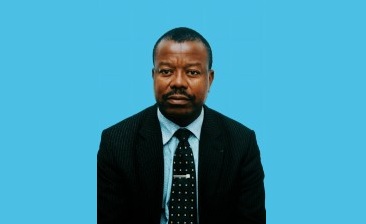
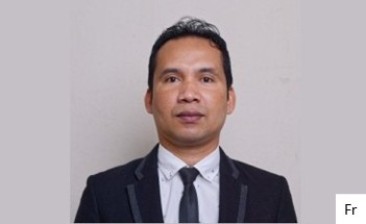
INTERVIEW with Mr. CARLOS FRANCISCO CANZA, CARD FOCAL POINT
(Luanda, Angola, 16th May 2025)
Introduction
Angola is one of the countries that joined the Coalition for African Rice Development (CARD) in Phase 2 (2019 to 2030). It was at the beginning of this phase that Mr. Carlos Canza assumed the role of Focal Point, leading the combined initiatives of the public and private sectors, as well as development partners, aimed at developing the country’s rice industry. Under his leadership, the National Rice Development Strategy (ENDA) was reviewed and updated, as were the respective Concept Notes that form the basis for mobilising financial resources for the implementation of the Strategy. The interview was conducted by the CARD Regional Advisor to raise awareness of the actions carried out by the Focal Point and his team to promote the rice value chain in Angola.
Overview of the rice sector in Angola
When asked to provide an overview of the rice sector in Angola, Mr. Canza noted that rice production in Angola dates back to the colonial period, having suffered a drastic reduction in cultivated area, production levels, and productivity between 1975 and 2002, mainly due to armed conflict. Notwithstanding the end of this conflict in 2002, these indicators remain low and far below demand.
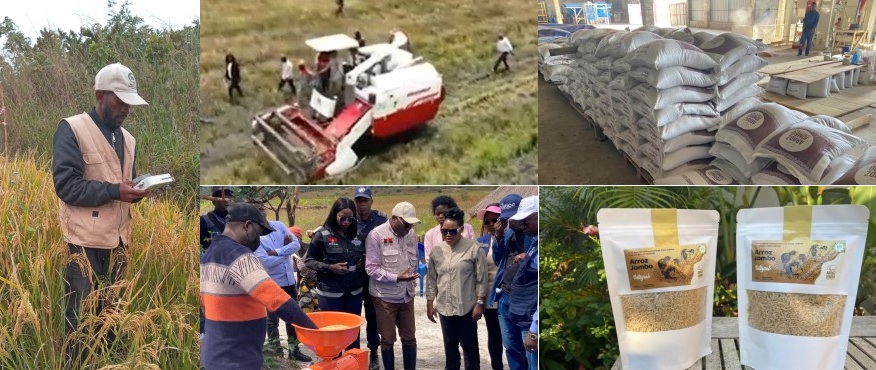
To ensure the recovery of production, the Angolan Government has taken several initiatives, such as the PDCAA smallholder production promotion programme (2013-2018), with the annual distribution of rice seeds implemented with the cooperation of JICA, and the National Plan for the Promotion of Grain Production (PLANAGRÃO), where the private sector has stood out, surpassing small scale sector production with a production of 35,038 tonnes (72.48%) of the 48, 340 produced in the 2023-2024 agricultural season, with the same trend observed in previous years. However, these production levels represent only about 16.61% of the projected demand for 2025, he added.
Key challenges and opportunities
In the opinion of our interviewee, to make Angolan rice farming more dynamic and competitive, the main issues to be taken into account focus first on infrastructure for water management in the field as a way of mitigating the recurring climatic effects caused by droughts or floods, without neglecting the great importance of upland and lowland rainfed ecosystems, which are the mainstay of current rice production in the country. Secondly, it is necessary to guarantee the equipment and inputs as a way of modernizing rice farming on a scale that guarantees the ever-increasing volumes demanded by the market. Thirdly, it would be necessary to address issues of grain quality through investments in processing and packaging to ensure the penetration of local rice in the domestic, regional and international markets. To this end, it is necessary to invest in agricultural research, seed production, rural extension and adequate financing. He concluded.
CARD initiative with ENDA
When asked to comment on the CARD initiative, Mr. Canza said that CARD plays a key role in the development of the rice industry on the continent, particularly in terms of technical and financial support for the review and formulation of national strategies and the respective concept notes, as these are guiding instruments and fundamental tools for dialogue with cooperation partners in the pursuit for material and financial support for the development of the value chain in member countries. In addition to this support, CARD has contributed to exchanges of experiences with other countries and organizations.
However, Mr. Canza draws attention to the need for CARD to maintain its level of engagement, including meetings with Focal Points. He suggests that CARD needs to establish a more robust statistical system for rice production in Sub-Saharan Africa.
Sustainability and prospects
As for sustainability and prospects, Mr. Canza believes that everything depends on the implementation of ENDA 2 through an increase in the number of families involved in rice production, based on projects co-financed by the Government and Development Partners, with the involvement of everyone, including men, women, and young entrepreneurs.